Astrology & Divination
Understanding the Lunar Cycle
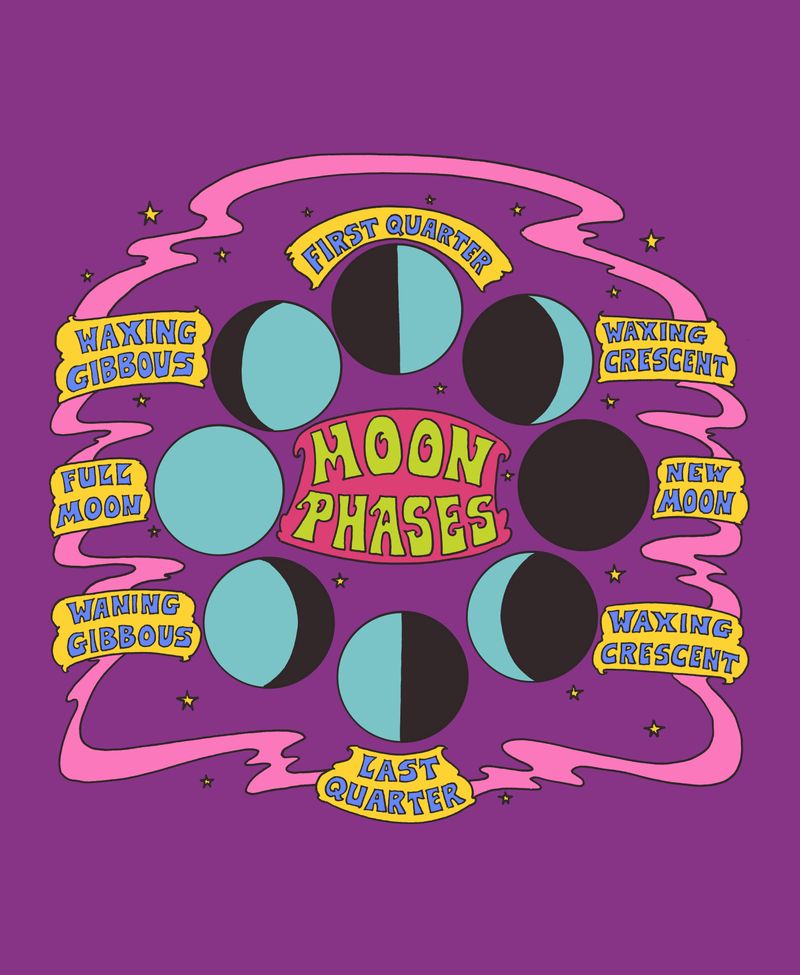
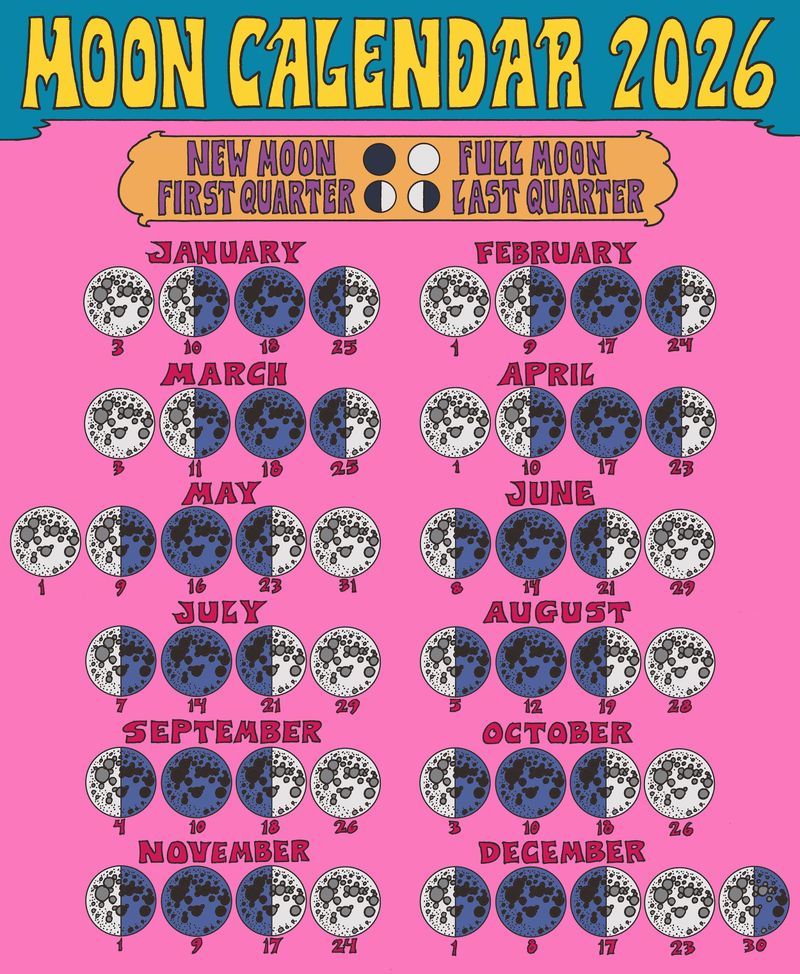
The moon moves through eight phases every month, and each one carries its own energy. These two charts help you track where the moon is right now and plan ahead around it.
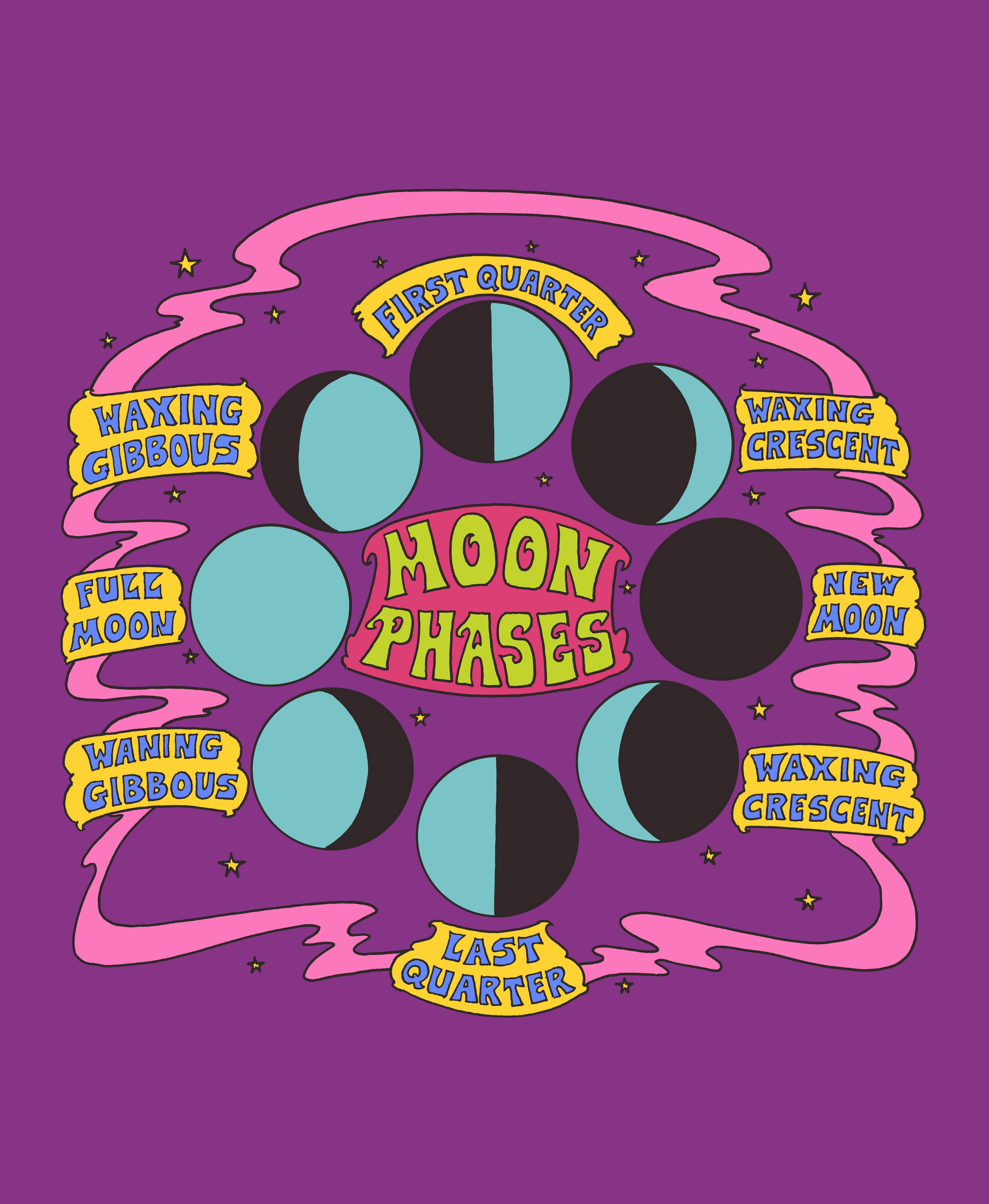
Moon Phases
This wheel lays out all eight phases in order: New Moon, Waxing Crescent, First Quarter, Waxing Gibbous, Full Moon, Waning Gibbous, Last Quarter, and back to New. Use it as a quick reference for what each phase generally means, new moons for setting intentions, the waxing phases for building and growing something, the full moon for release and reflection, and the waning phases for letting go and resting. Keep it nearby when you are deciding what kind of work to do on a given night.
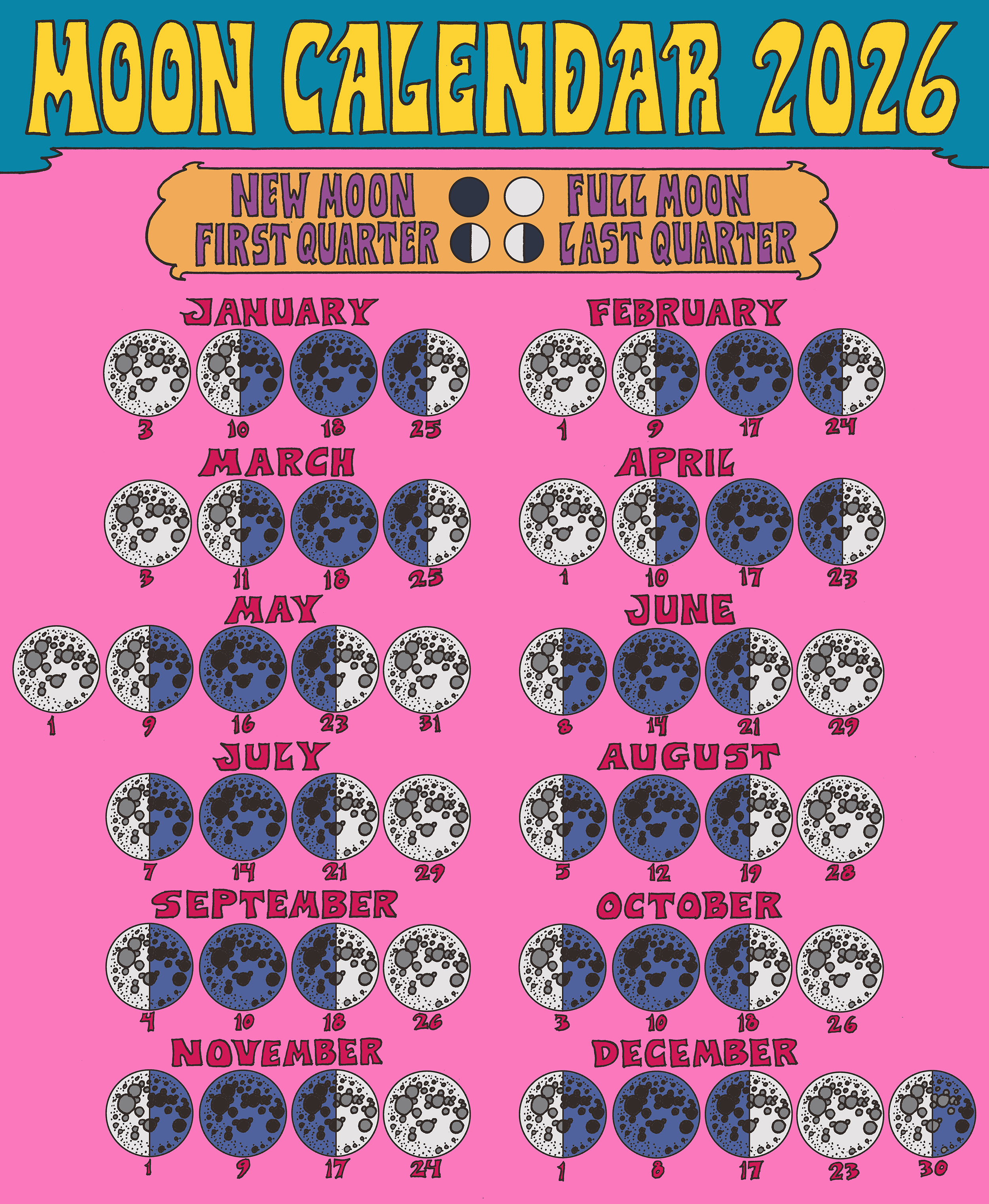
Moon Calendar 2026
This one maps every phase onto an actual date across all twelve months of 2026, so instead of guessing where the moon is, you can look up today's date and know exactly what phase you are in. It is the more practical of the two, useful for planning rituals, journaling, or any work you want timed to a specific phase rather than a general one.
Use the Moon Phases wheel to learn what each phase means, then use the Calendar to find out when it is actually happening.
The Language of the Pendulum
A pendulum is one of the oldest tools for tapping into intuition, just a small weight on a chain that responds to subtle, often unconscious movements in your hand. Some see it as a way to hear your own inner knowing more clearly, others use it simply to slow down and pay closer attention. Either way, the practice comes down to a few honest questions and a willingness to trust the pattern that shows up.
Ready to try it? Here is how to prepare and read your first chart.
Preparation
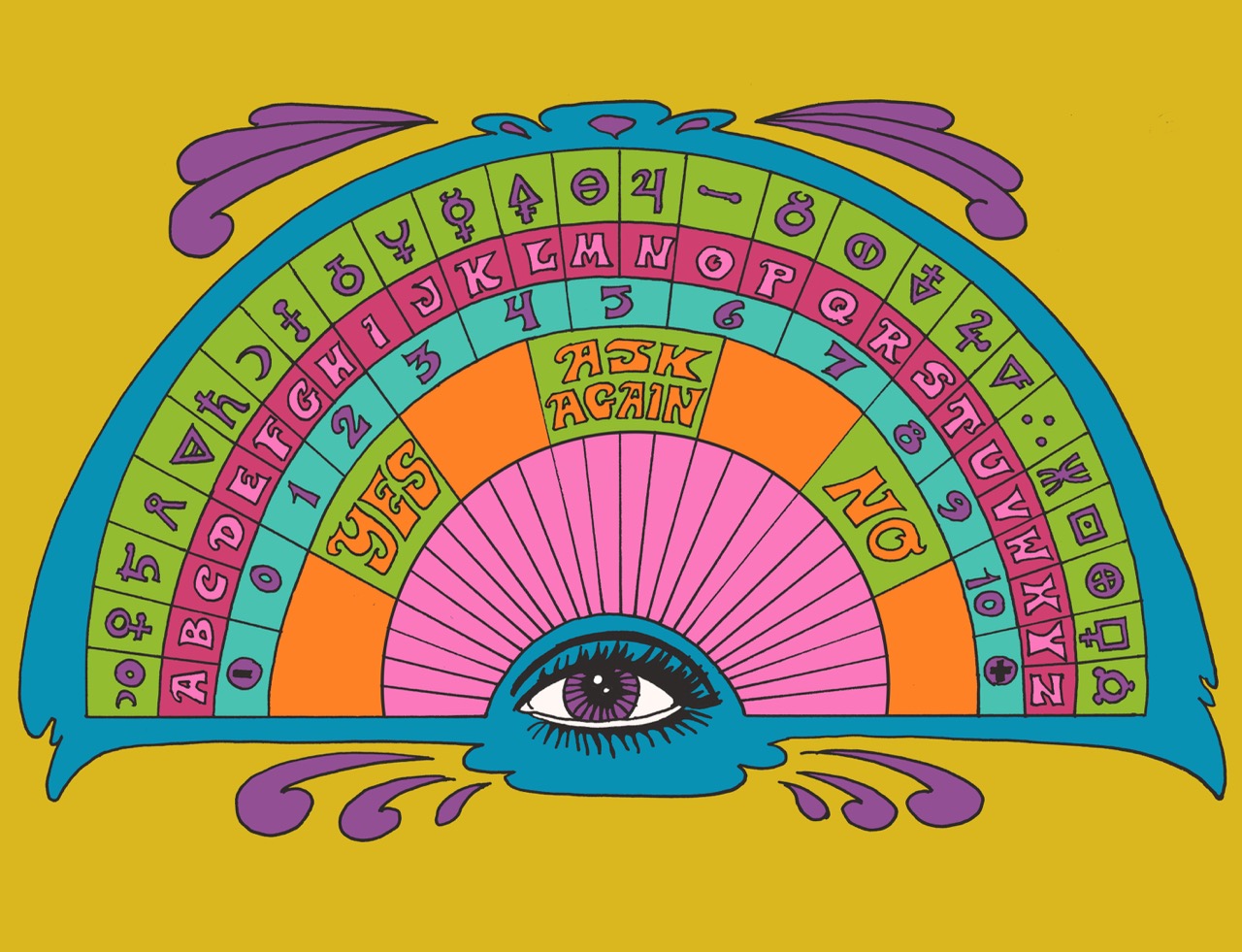
Sit somewhere quiet. Rest your elbow on a table or flat surface. Hold the chain between your thumb and index finger. Let the weight hang about half an inch above the center of the chart. Keep your hand relaxed so the pendulum can swing on its own.
Yes / No
Ask the pendulum to show you "yes." Watch which direction the pendulum moves: a circle, a straight line or a diagonal swing. Ask for "no" next and note that direction too. These two movements become your baseline.
Ask One Question at a Time
Hold the pendulum still over the center point. Ask a single, direct question. Wait for the swing to build on its own instead of pushing your hand toward an answer.
Read the Chart
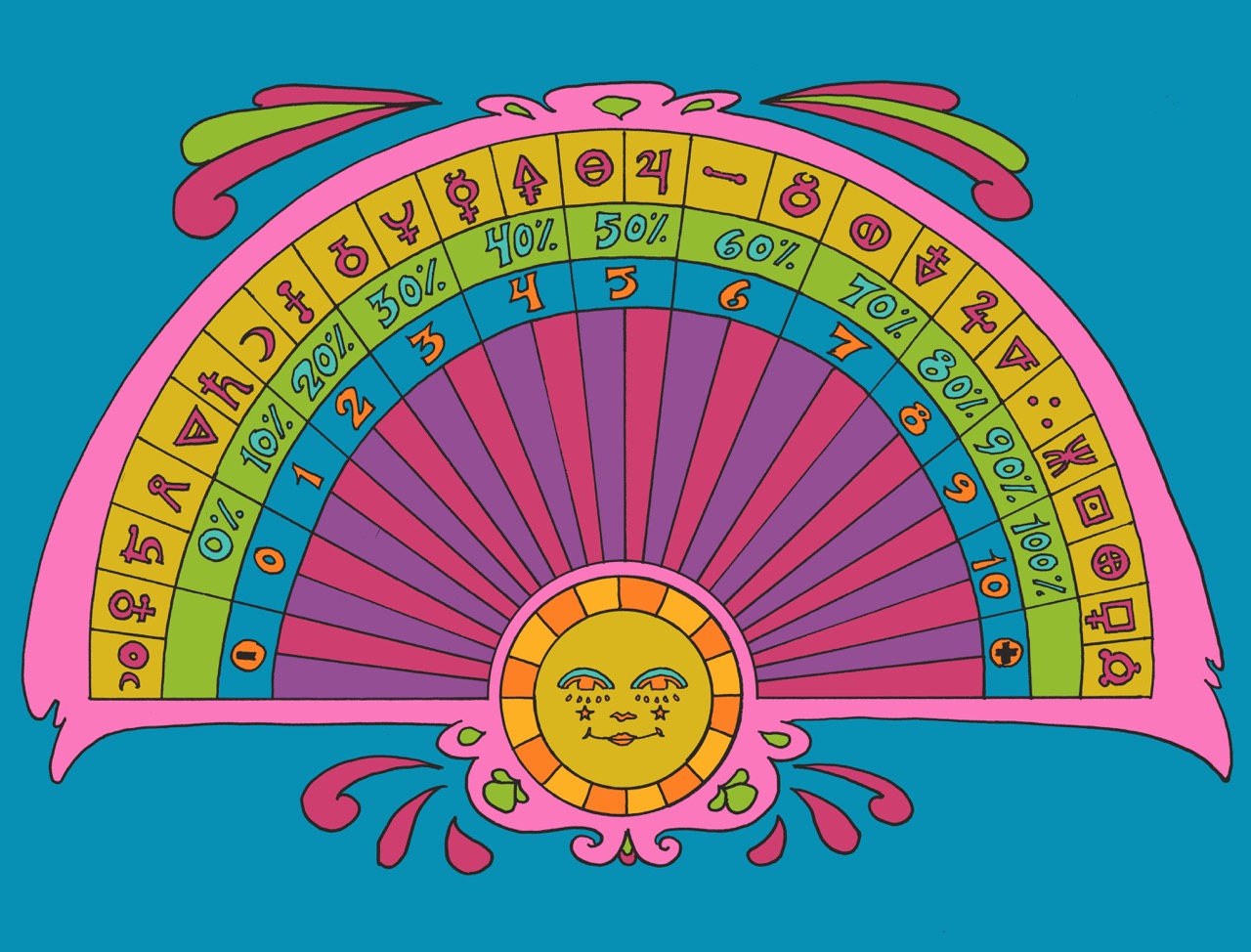
Once the pendulum settles into a steady direction, match the movement to your yes and no baseline or to the letters, numbers or symbols on the chart.
Reset Between Questions
Stop the pendulum by hand before you ask again. Starting from stillness keeps each answer separate from the last.
Start with a question you already know the answer to. This confirms your connection to the pendulum before you move to open questions.