

No items found.



Website Youtube Facebook Instagram @annmagnuson.official
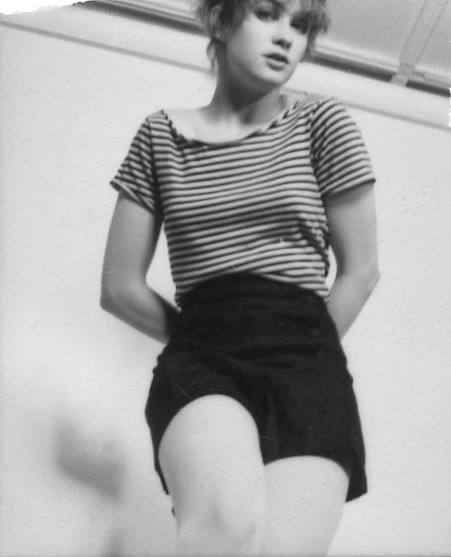
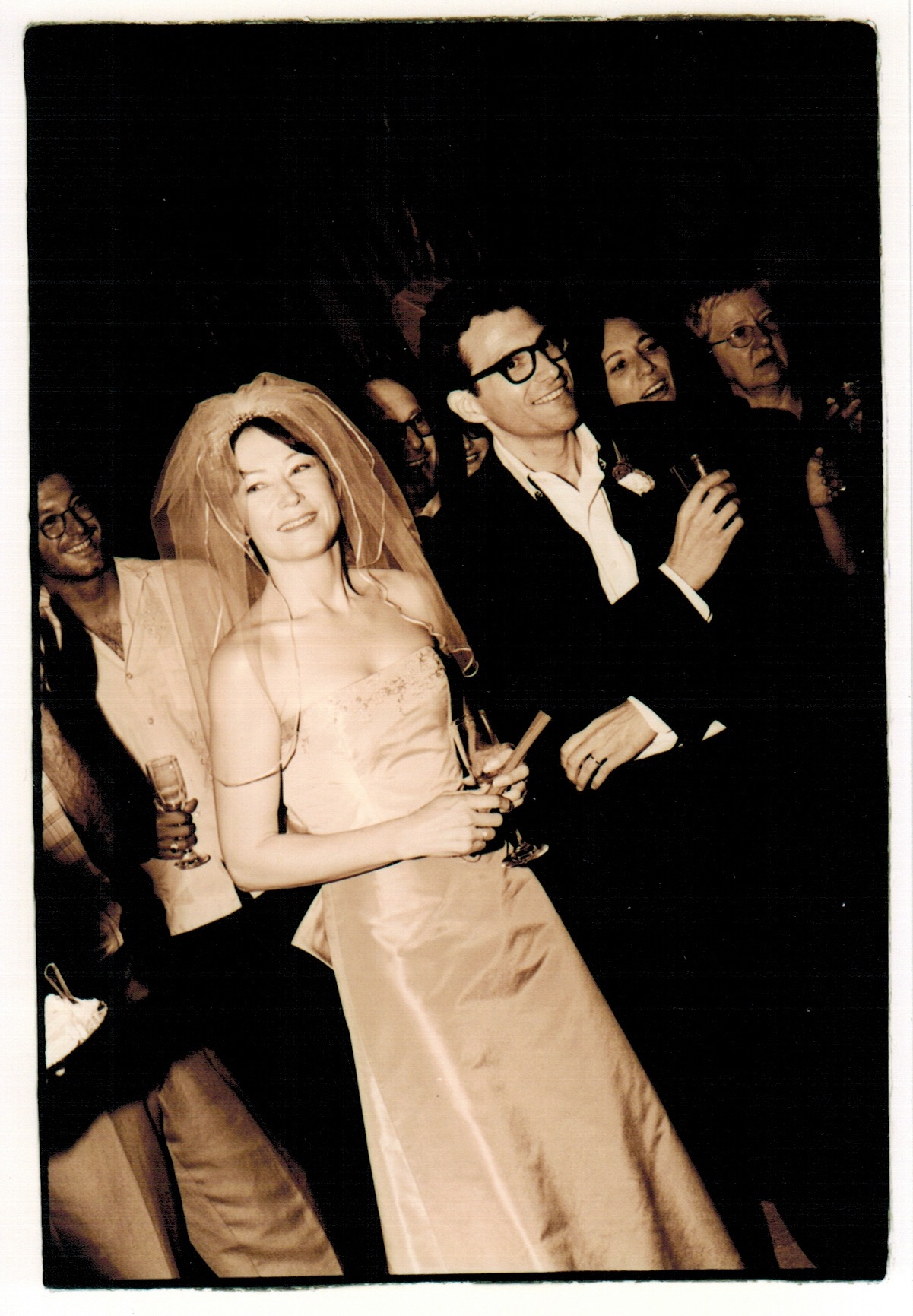
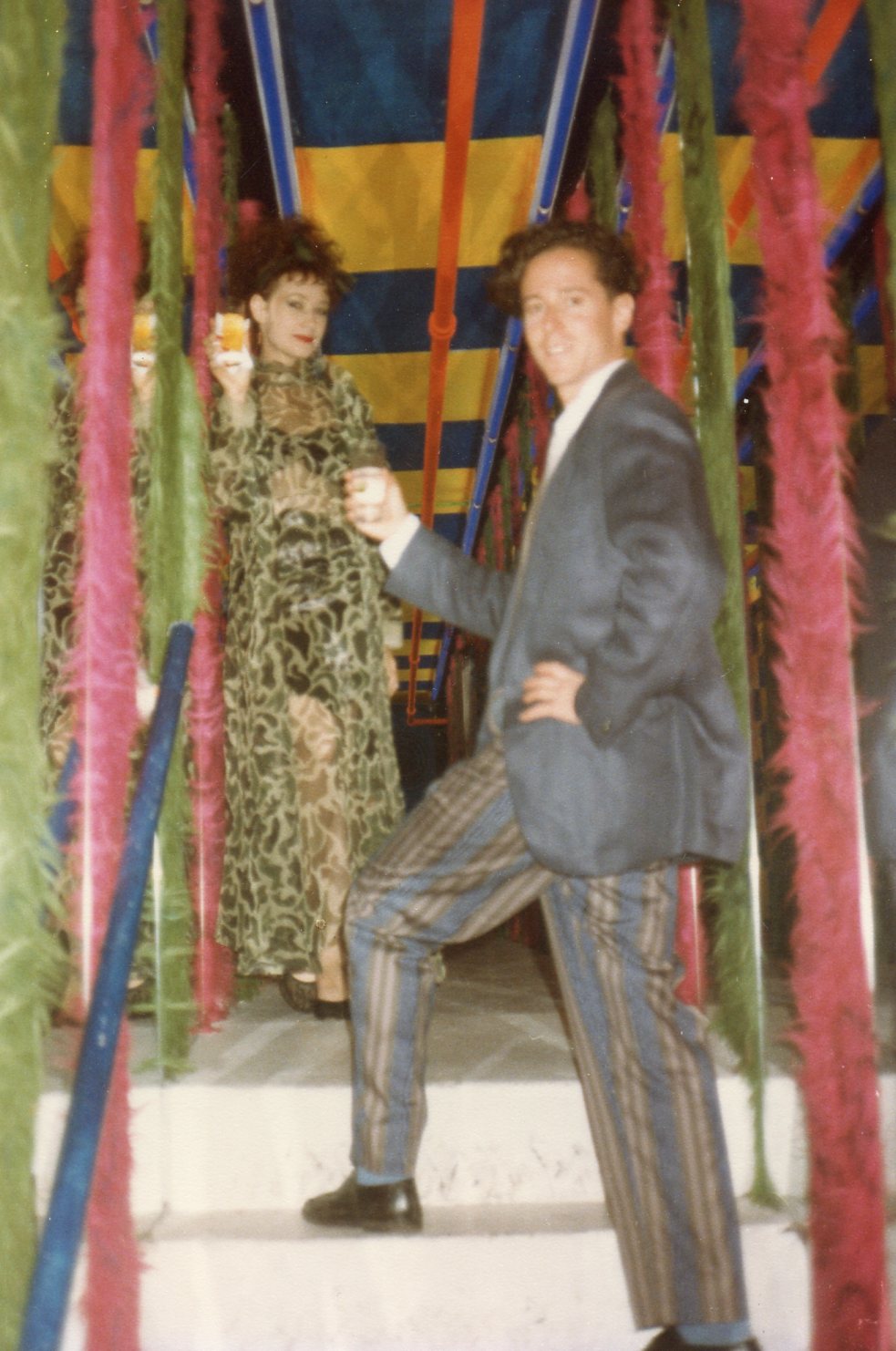
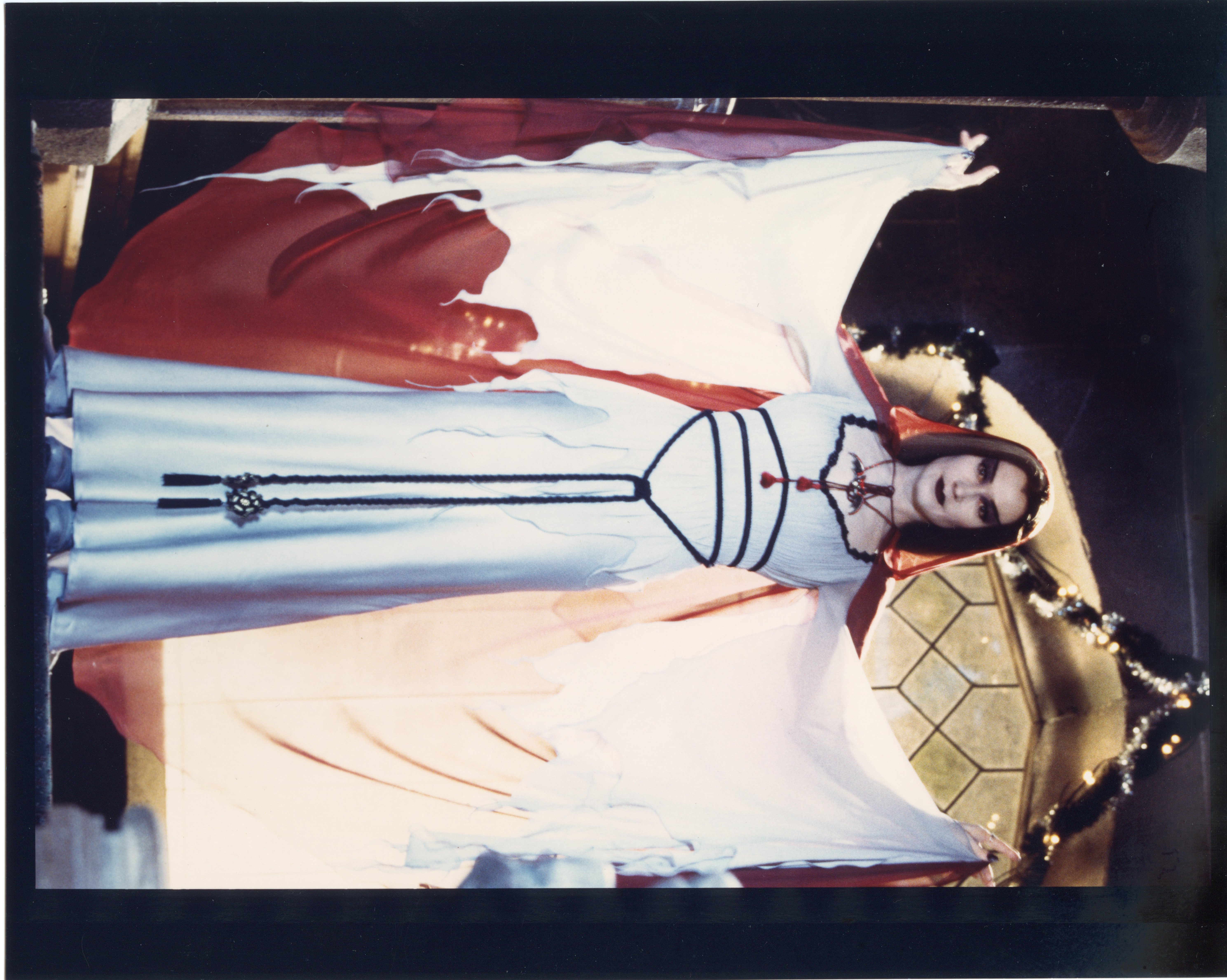
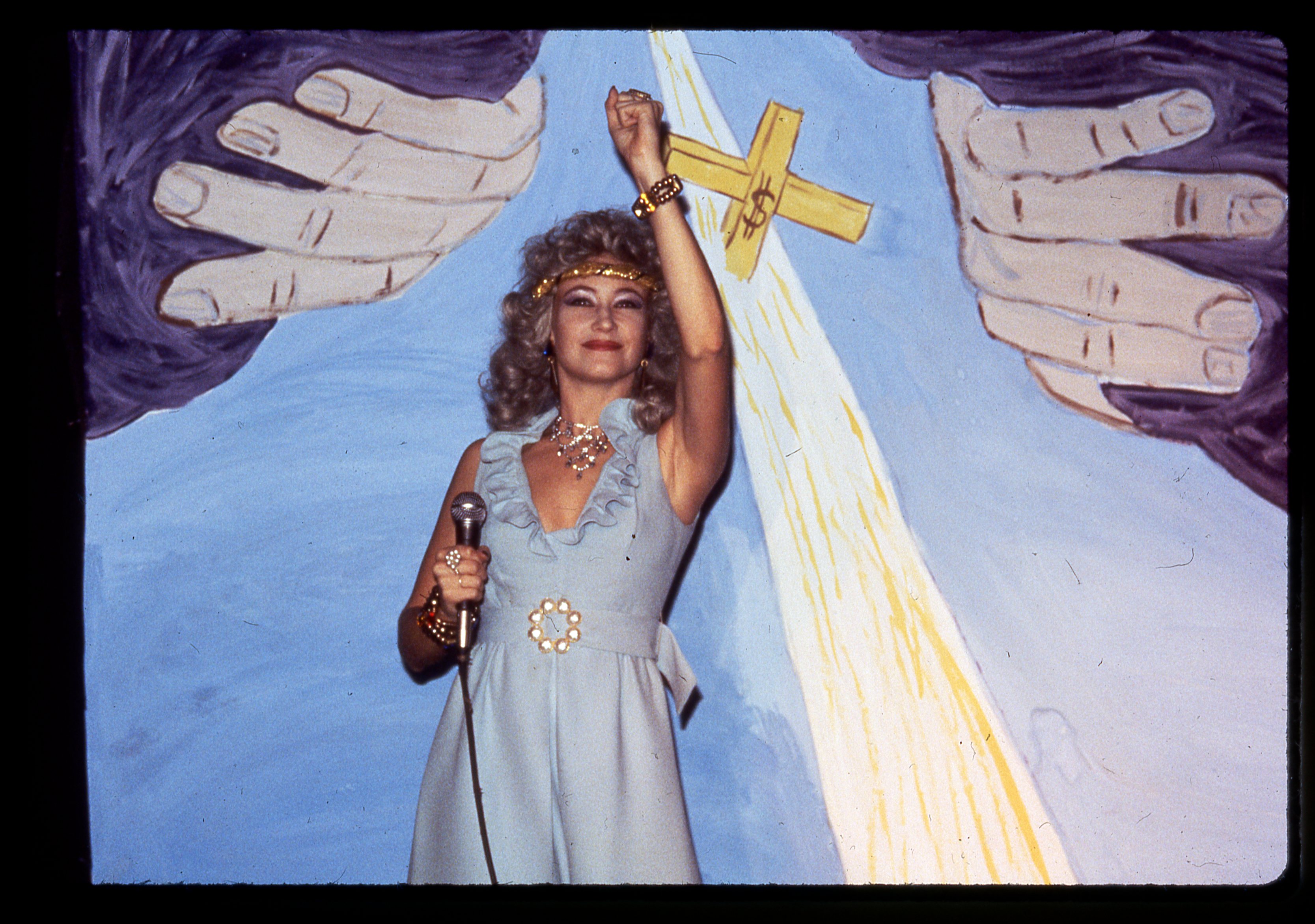
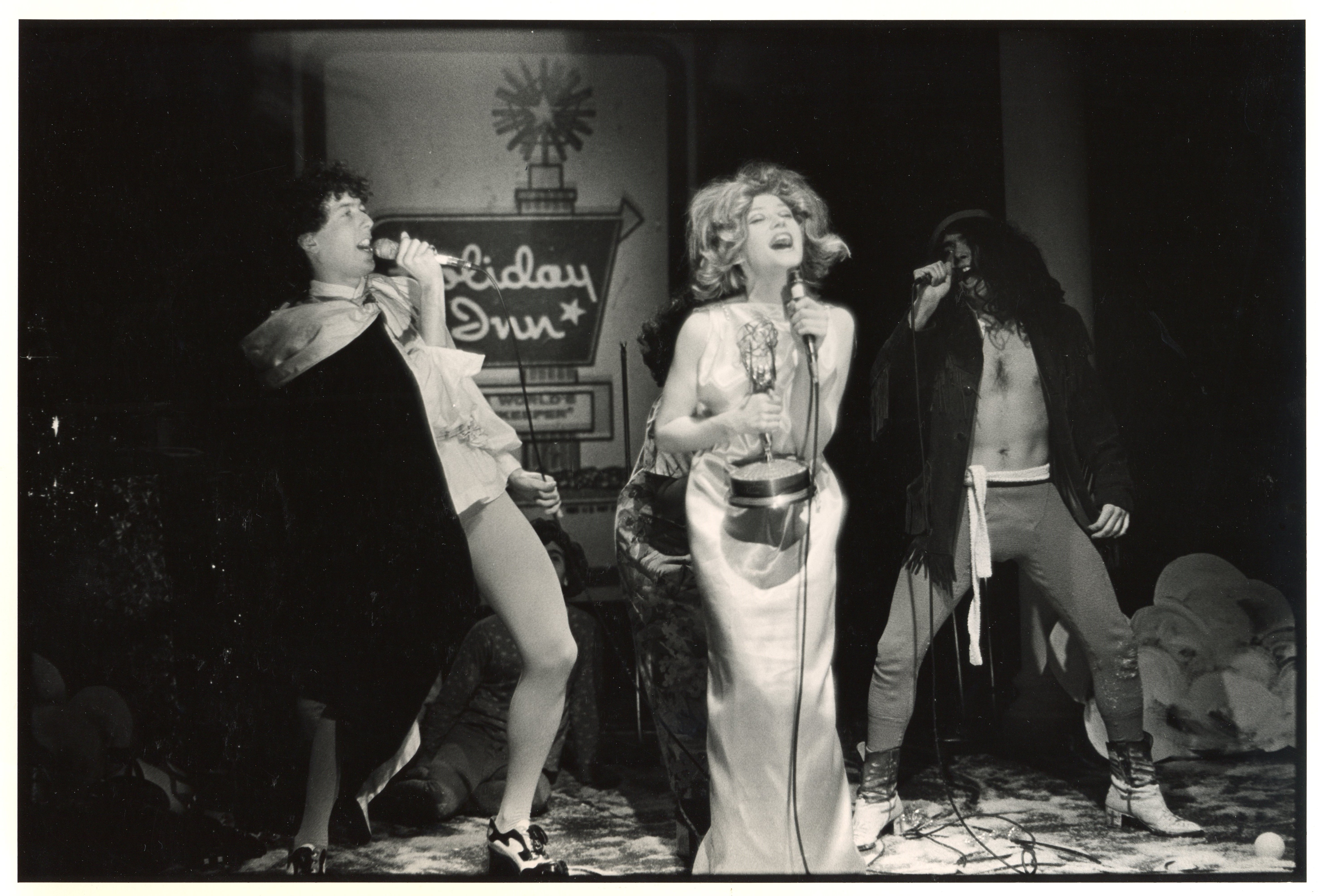
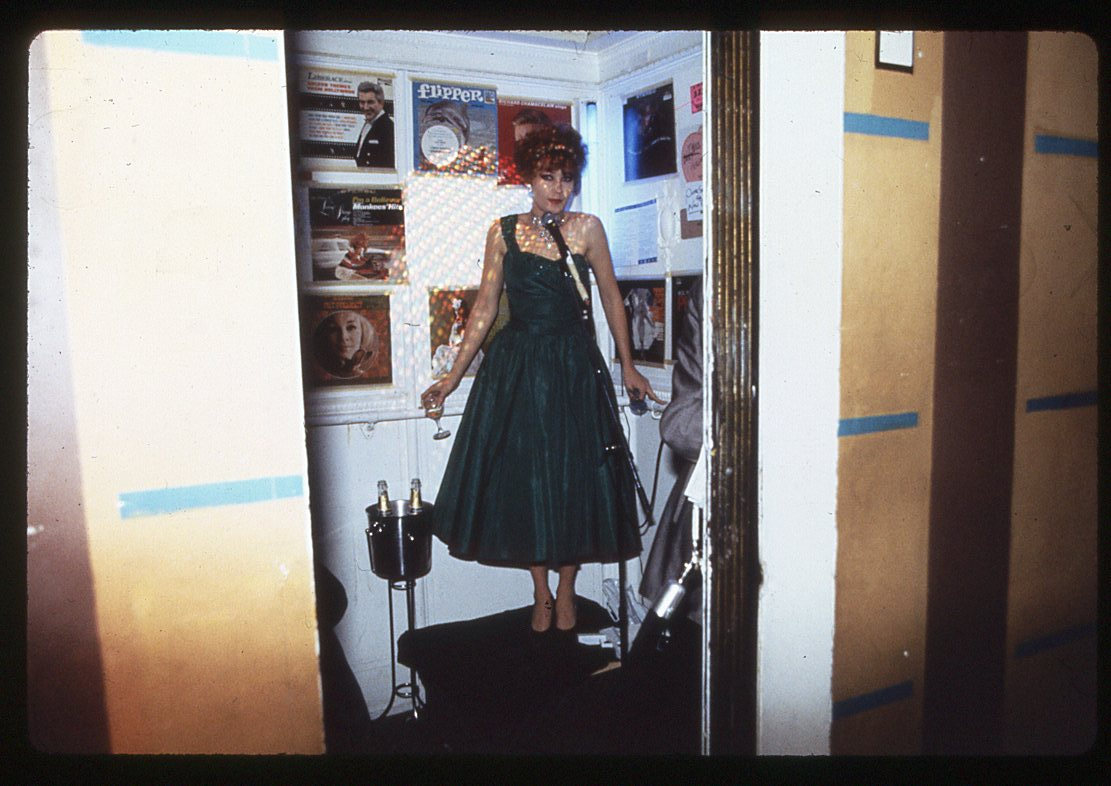
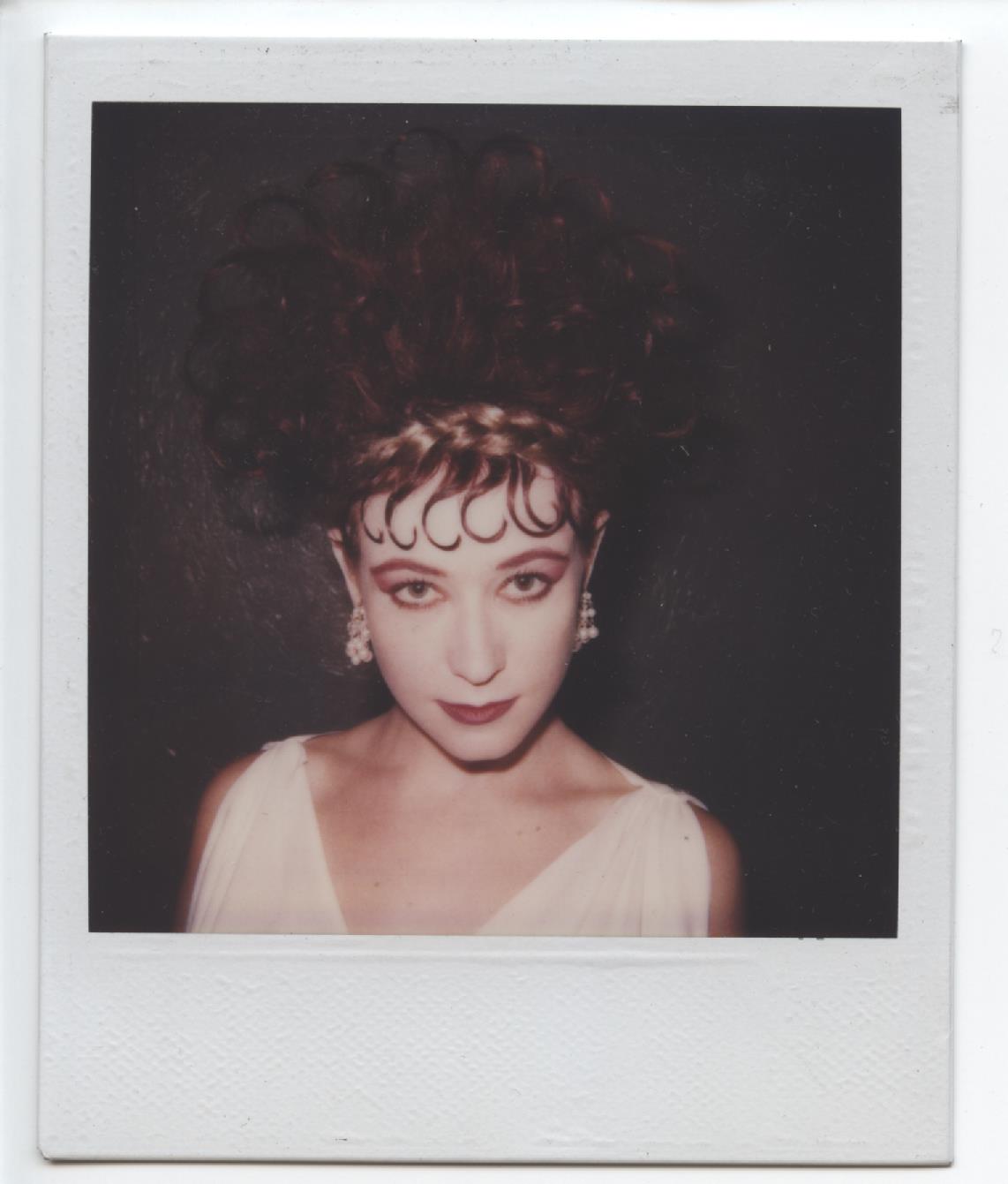
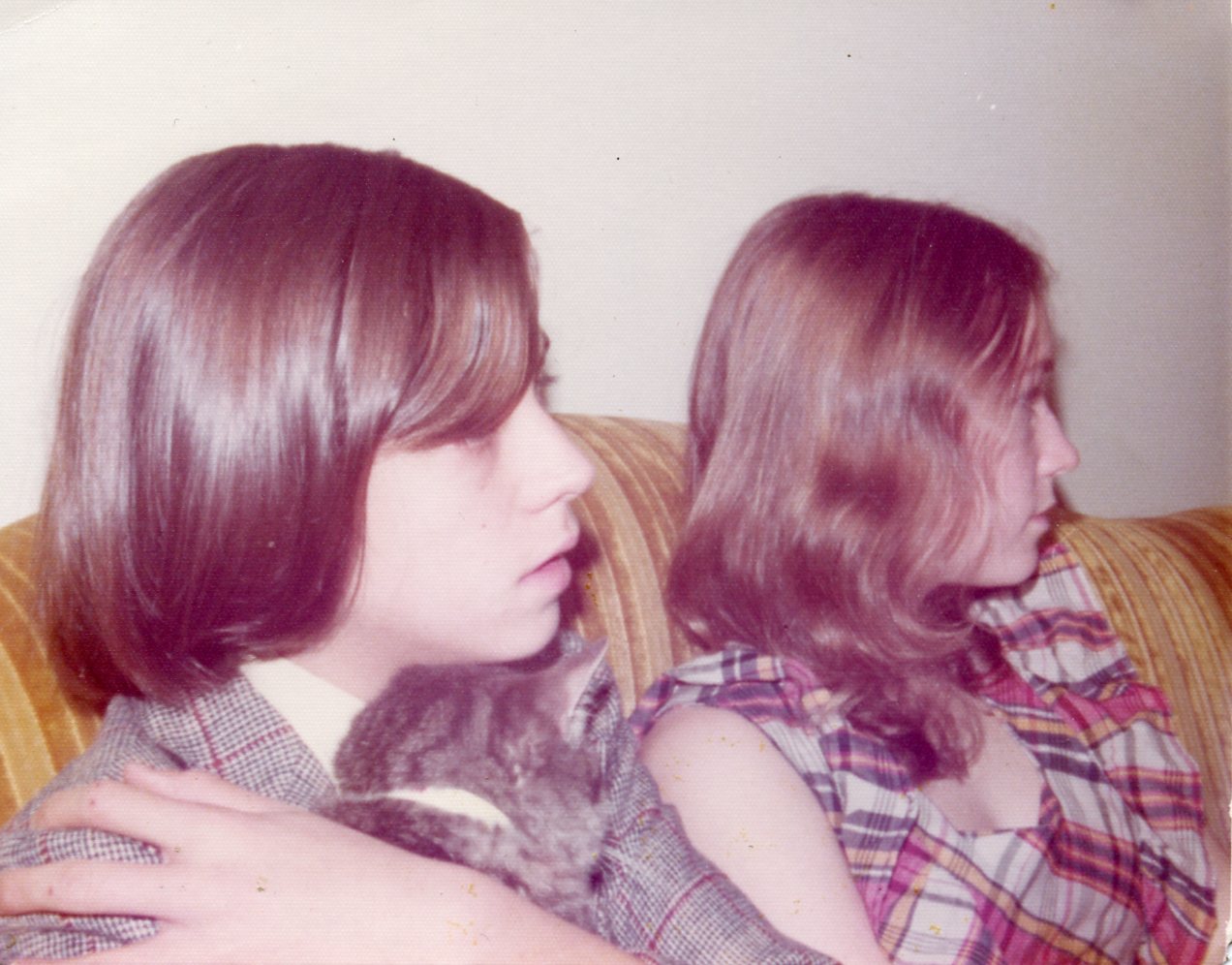
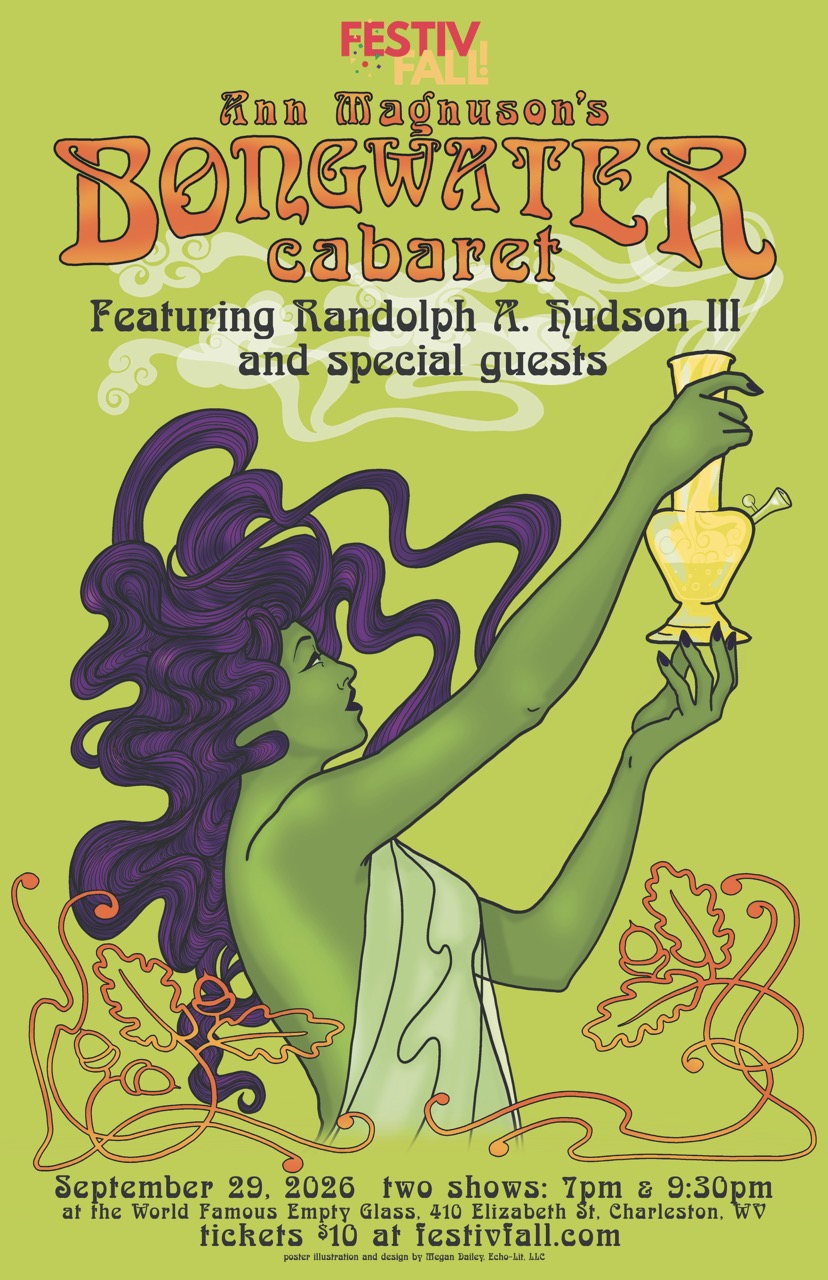
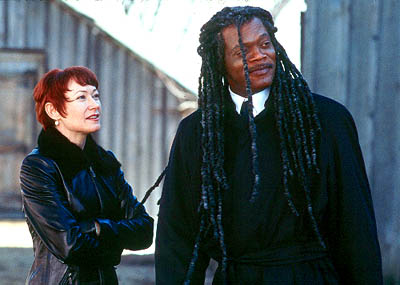
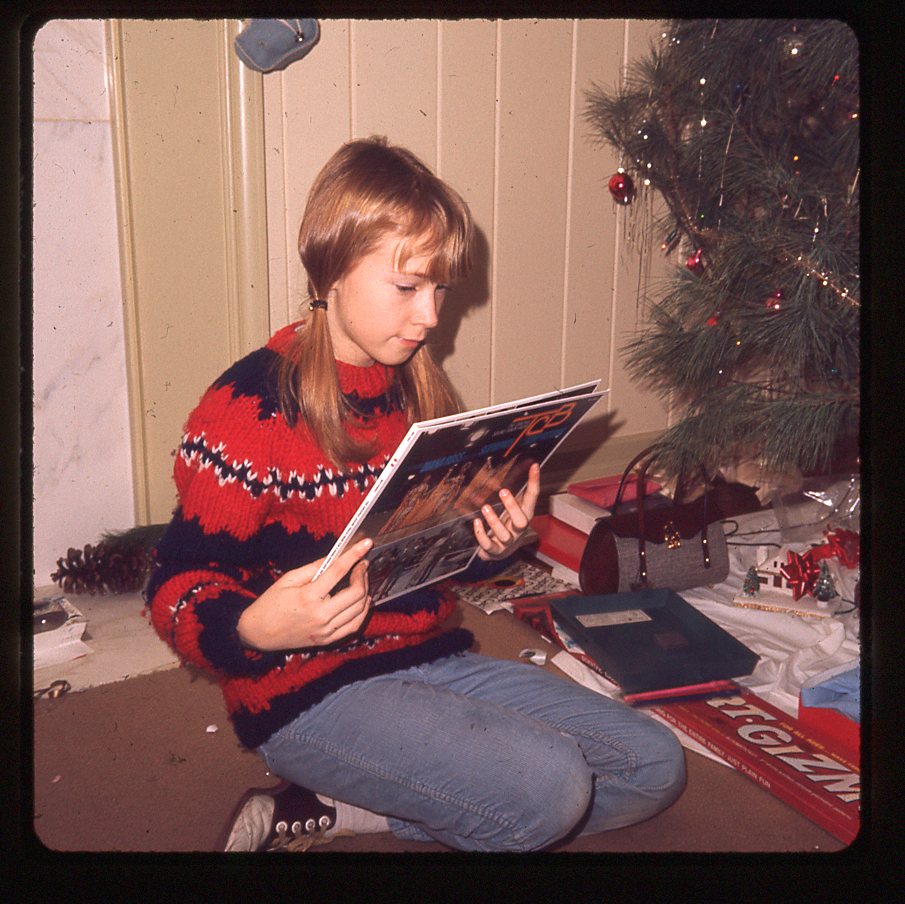
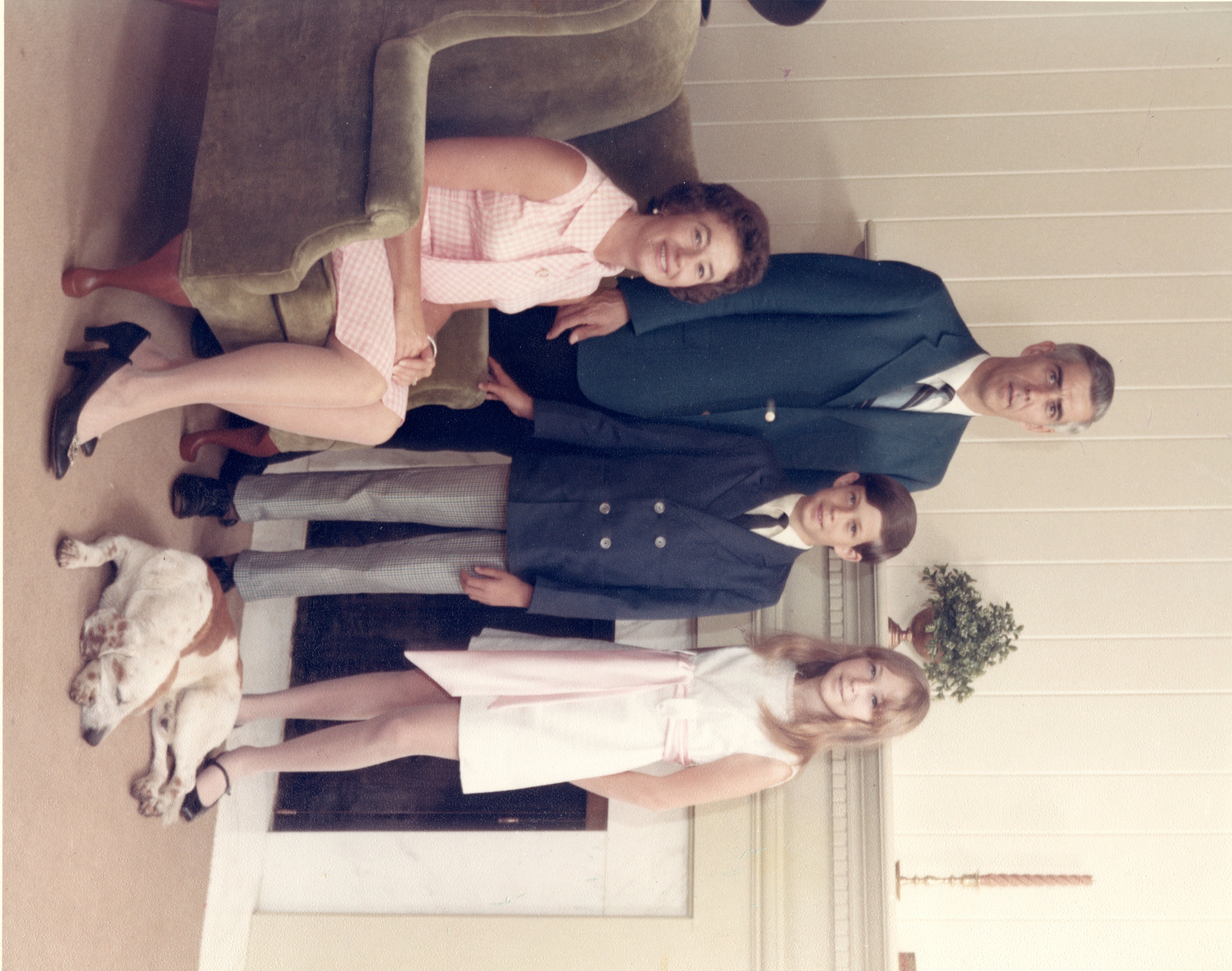
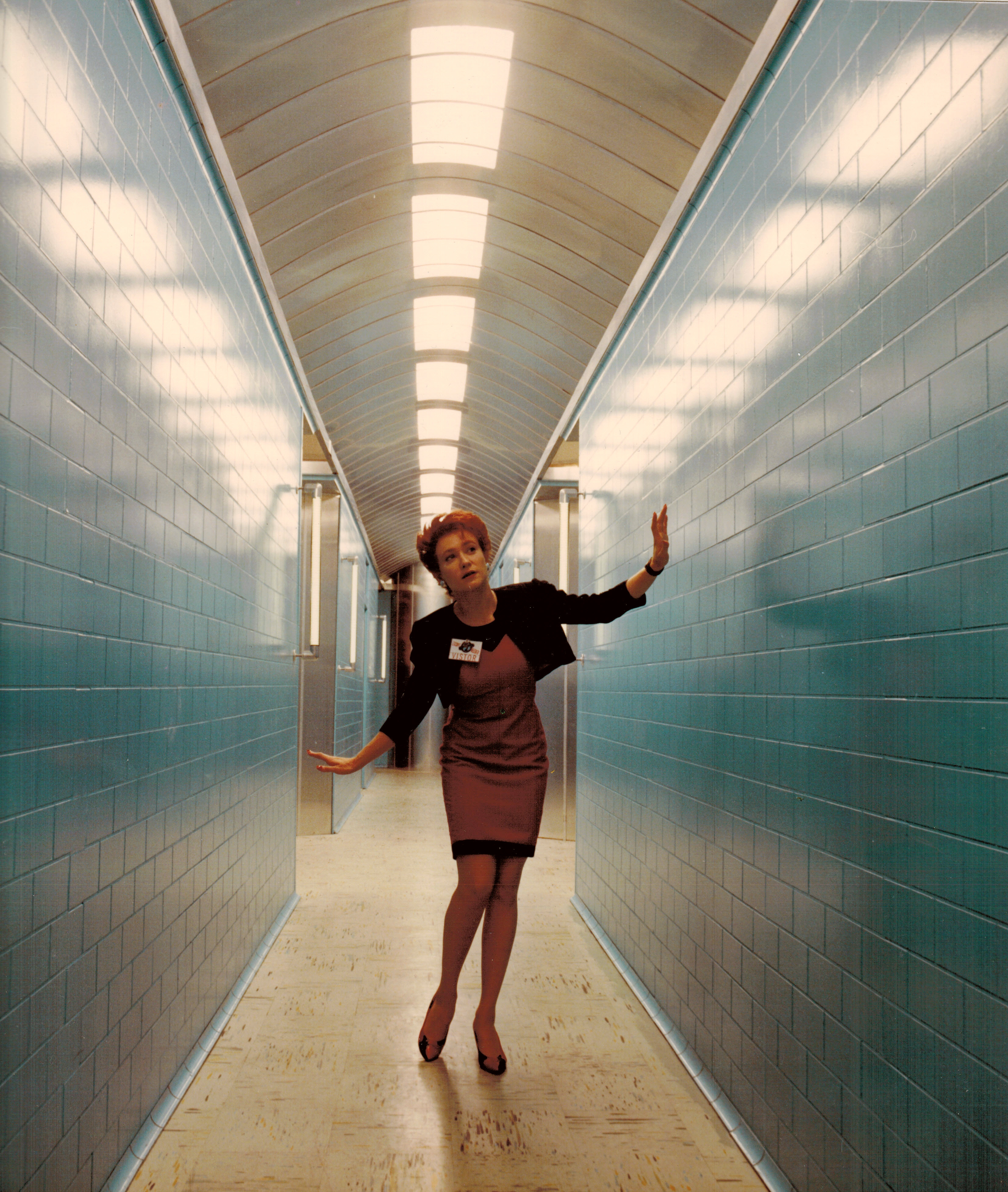
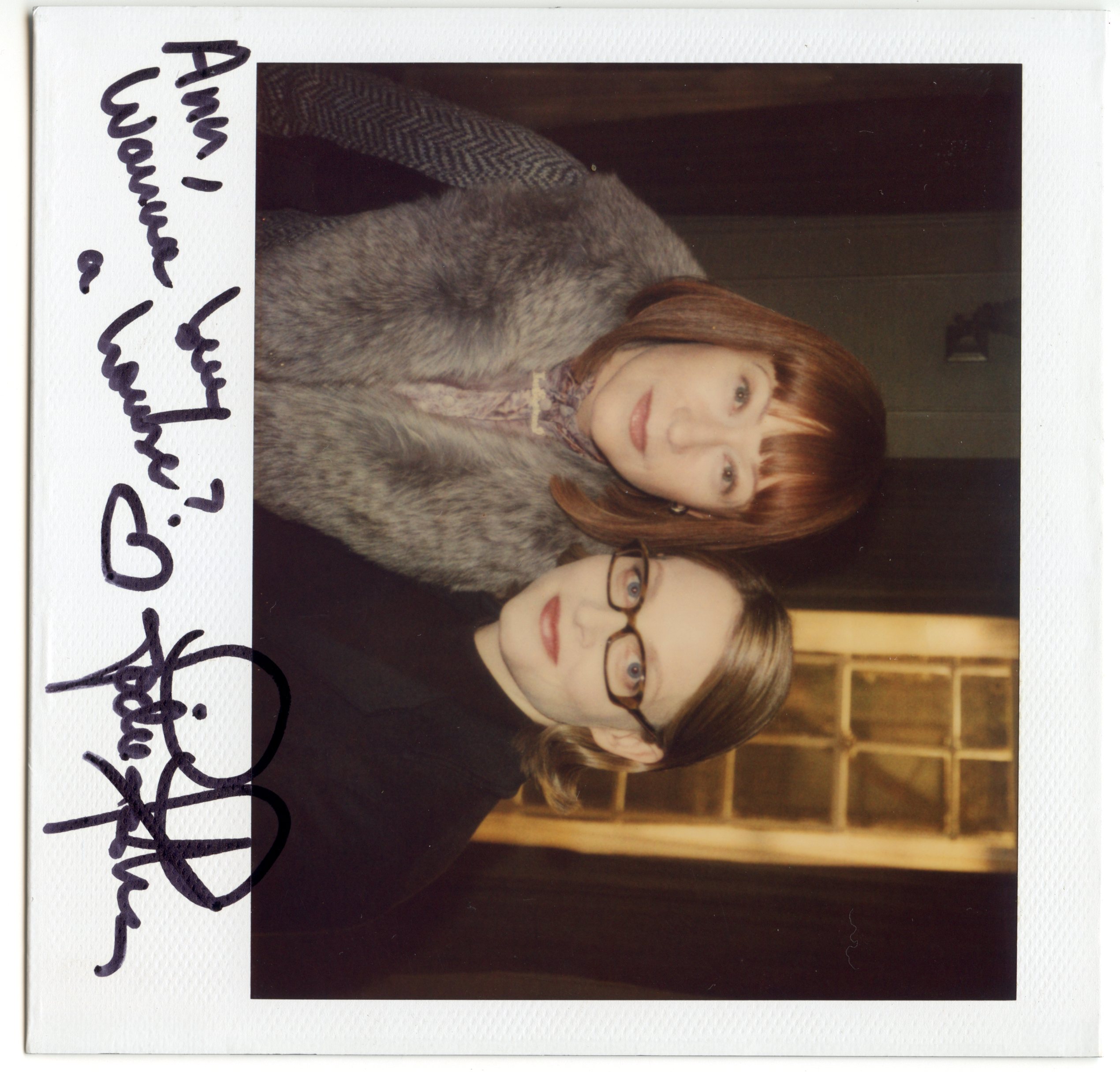
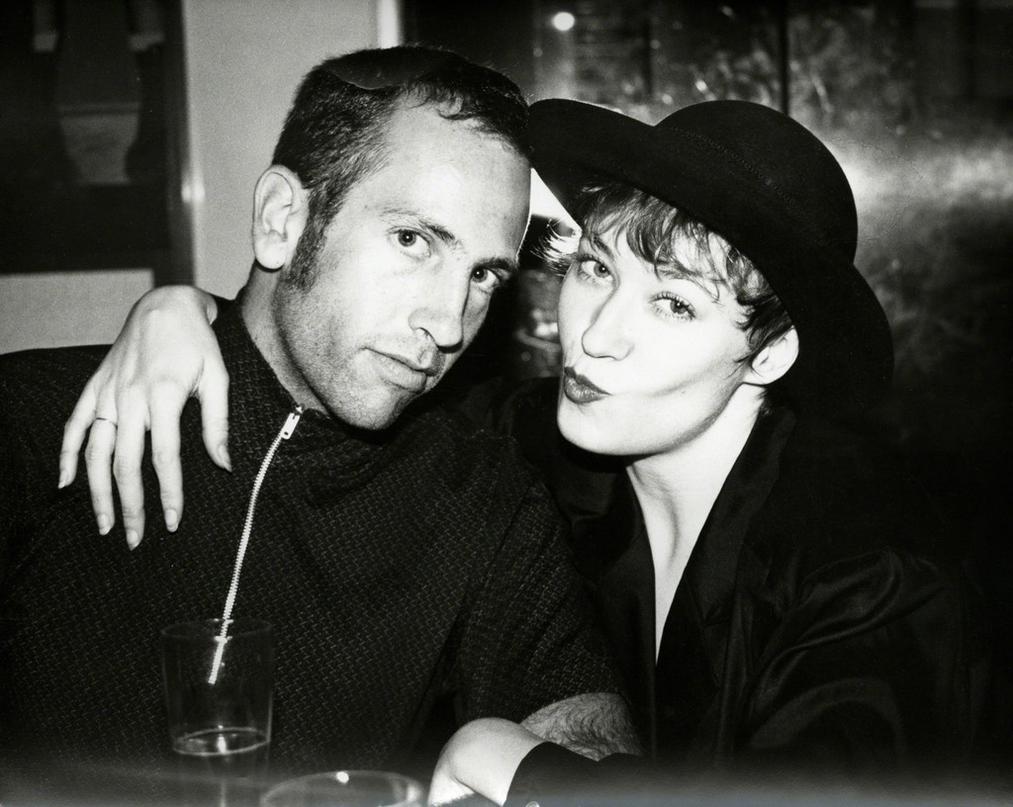
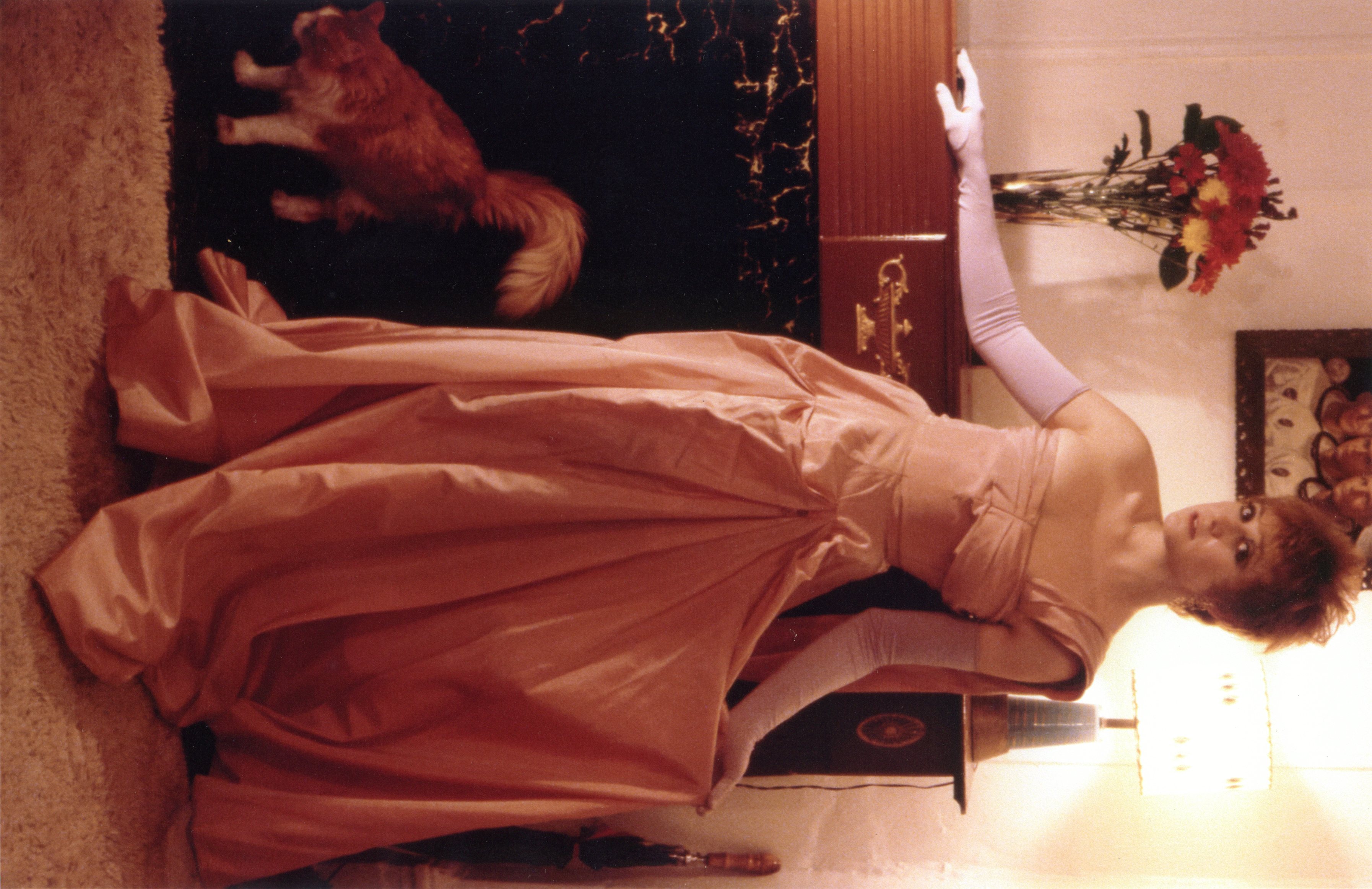
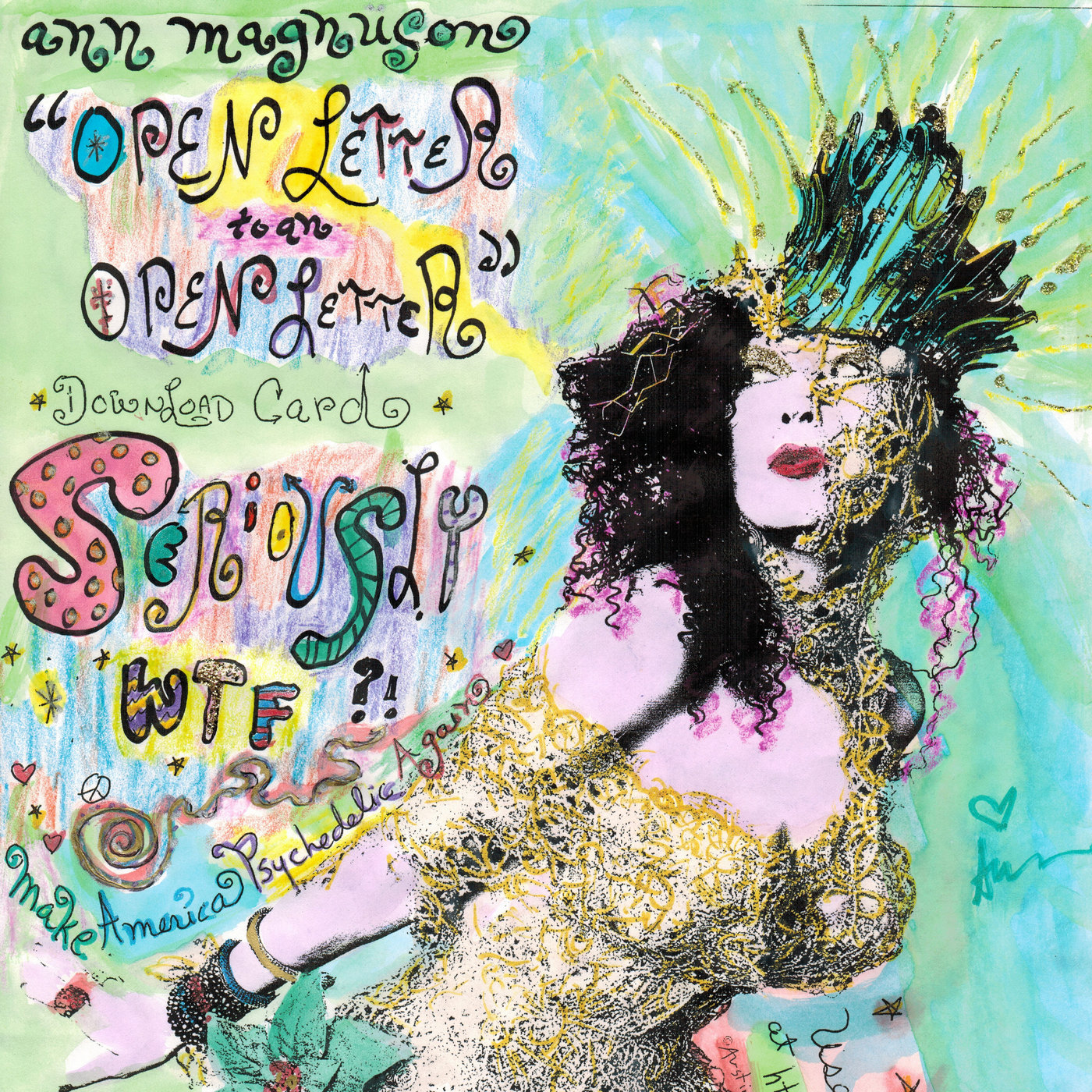
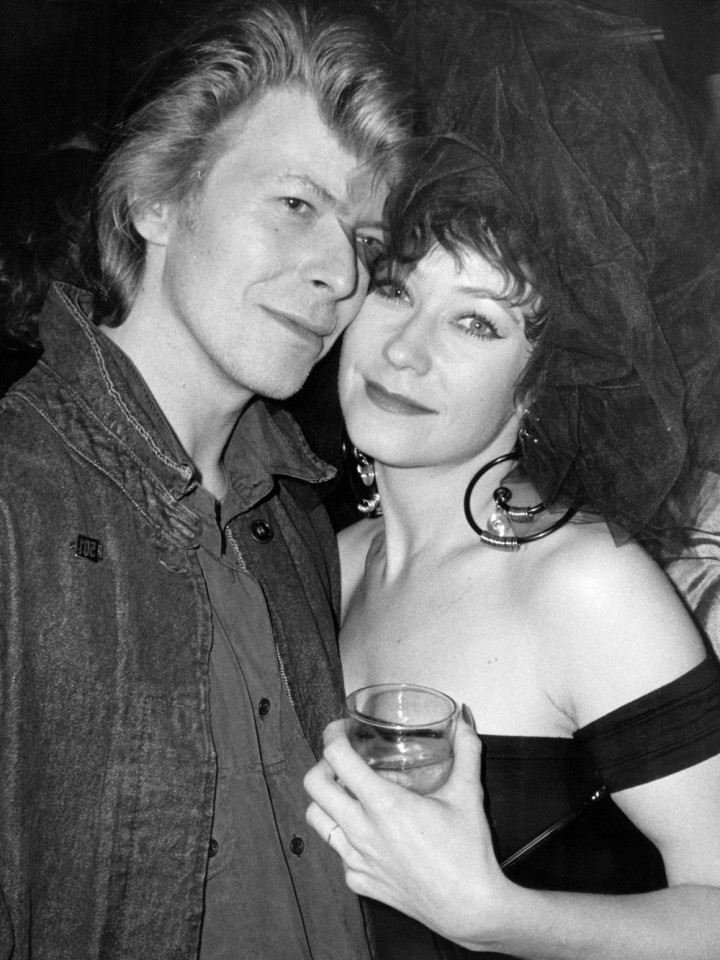
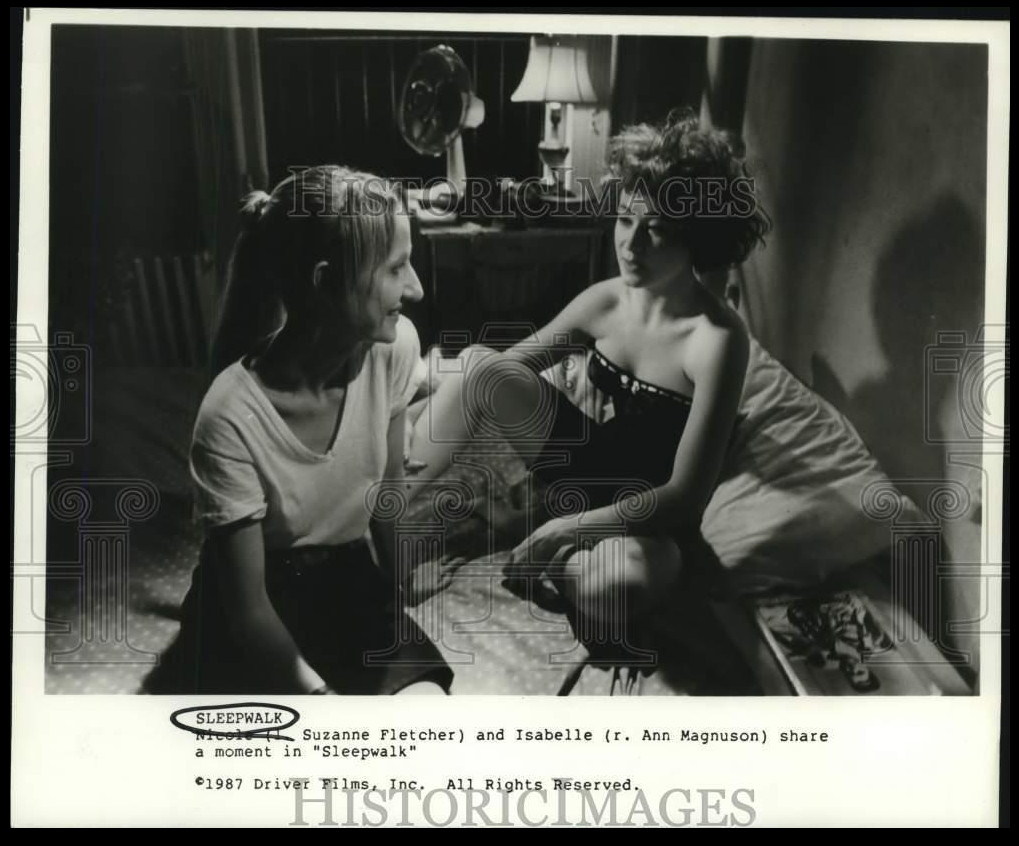
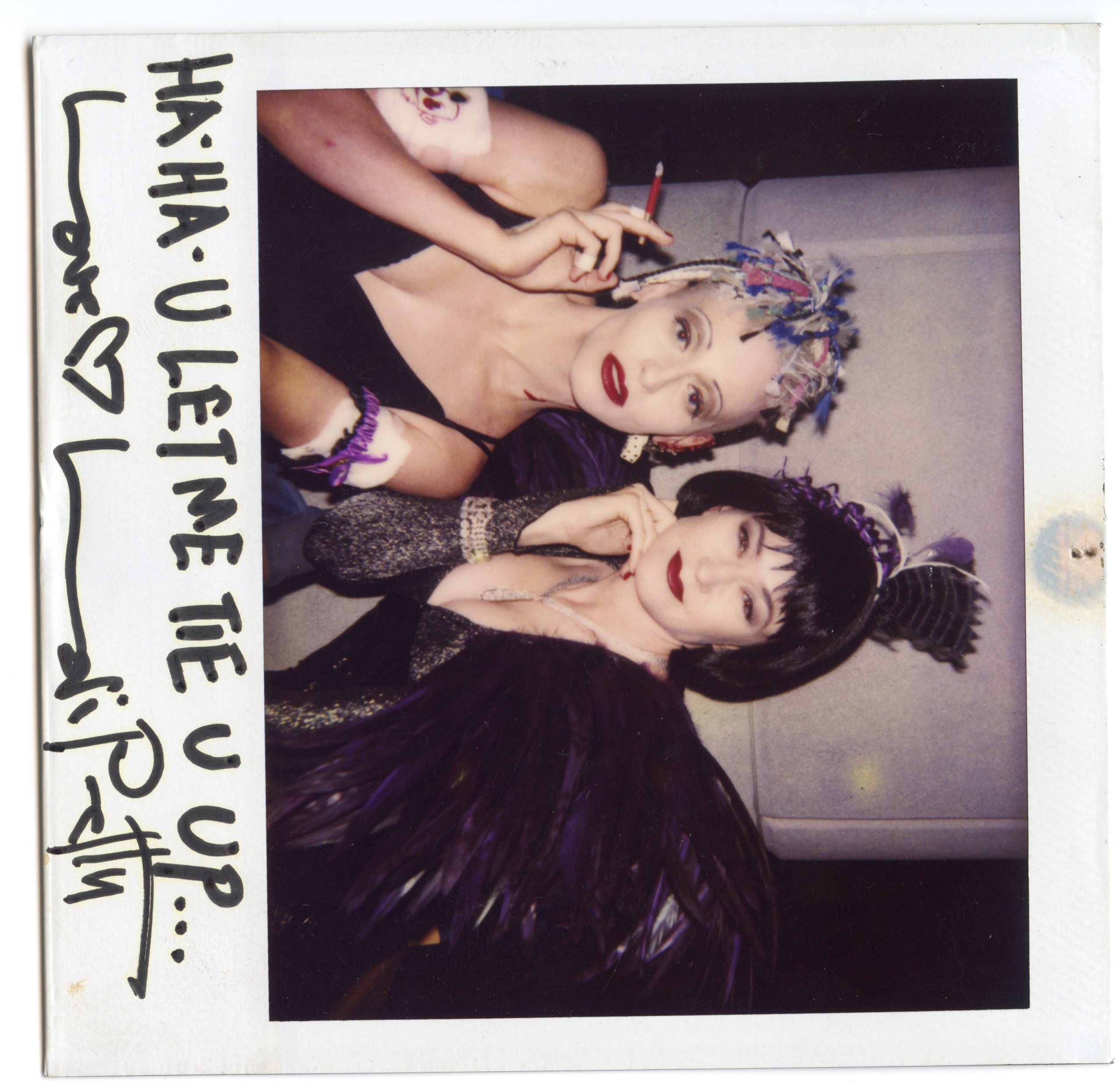
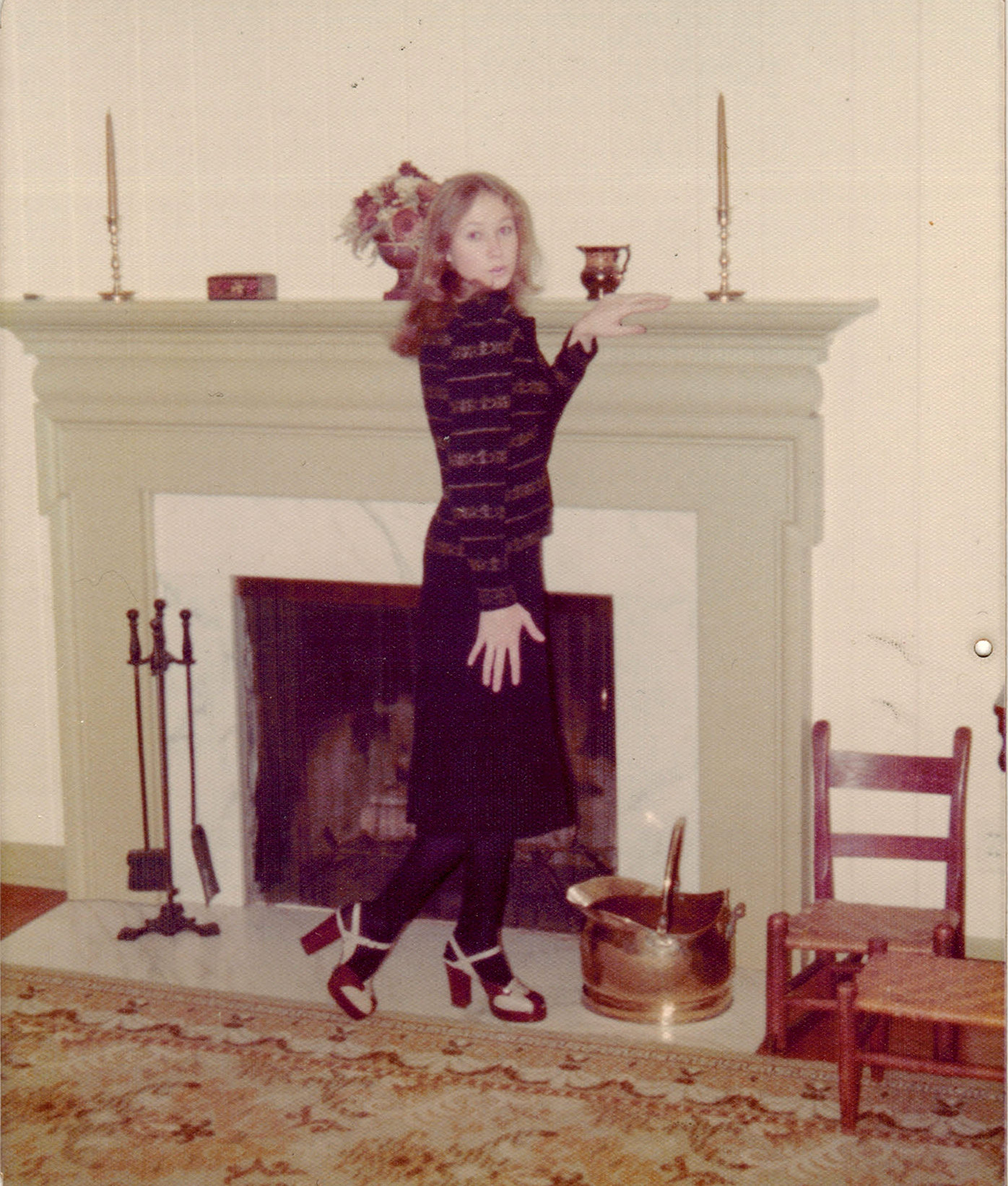
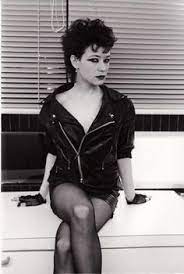
Image 1: Ann 1982, Photo by David Stetson; Image 2: Ann and John Wedding, Photo by Carol Sheridan; Image 3: Ann and Tom Rubnitz in Chicago; Image 4: Ann as Helen Keller in The Miracle Worker; Image 5: Ann as Lily Munster; Image 6: Ann at Pyramid, Photo by Tseng Kwong Chi; Image 7: Ann at The Kitchen, Photo by Paula Court; Image 8: Ann in Danceteria Elevator, Photo by Tseng Kwong Chi; Image 9: Ann in Titus Andronicus at The Pyramid; Image 10: Ann in Vulcan Death Grip, Photo by Tseng Kwong Chi; Image 11: Ann with brother Bobby and cat Connie; Image 12: Bongwater Cabaret Poster by Megan Dailey @ Echo-Lit, LLC; Image 13: Ceveman's Valentine; Image 14: MMR, Photo by John Clifford; Image 15: Panic Room; Image 16: Photo by Andy Warhol; Image 17: Photo by April Palmieri; Iage 18: Artwork Ann, Photo by Austin Young; Image 19: Photo by Steven Sands; Image 20: Sleepwalk Still, Photo by Nan Goldin; Image 21: Tank Girl; Image 22: Teenage Ann; Image 23: The Hunger
Ann Magnuson and I were born just an hour’s drive from each other in the Kenova Tri State: she in Charleston, West Virginia, and I in Ashland, Ky. But we would meet 2500 miles west of our hometowns in Los Angeles on the Sunset Strip. I had long been in awe of her as a musician, performer, and actress but Ann never stuck snugly in any singular career pursuit, her creative drive is way too adventurous for that trap. In the late 1980s alone she was the lead actress in Susan Seidelman’s Making Mr. Right, she created her own wild Cinemax special Vandemonium, playing a multitude of hilarious characters alongside Meat Loaf and Eric Bogosian and Joey Arias, and she was a goddess taunting Redd Kross member Robert Hecker in Dave Markey’s short film Macaroni And Me. All this while writing songs for her band Bongwater. And even when she began to show up in big Hollywood films like Panic Room, Clear and Present Danger, and in the main cast of the sitcom Anything But Love, Ann was still pursuing her other creative avenues including her record for Geffen, The Luv Show. Her artistic passion and drive is unstoppable. From her days in 70s/80s NYC punk rock and No Wave to that vibrant post-punk, pre -grunge LA scene, Ann not only thrives as an artist -- whether with music, performance art or acting (she is a recent inductee into the West Virginia Music Hall of Fame) she's also deeply inspiring. In 2009, my daughter Tiffany and I for our festival Don’t Knock The Rock joined forces with The Fold to produce a Scott Walker Tribute Concert for the release of filmmaker Stephen Kijak’s marvelous documentary Scott Walker 30 Century Man. It was a remarkable evening for so many reasons: our emcee musician/actor Michael Des Barres was not just a performer and master of ceremonies but that night he also met his future and current wife Britta Hayertz, who was the stage manager of the event! And there at Bordello, Ann entered that gorgeous stage a magnetic chanteuse singing two powerful Scott Walker ballads; the Jacques Brel penned “Next” from the LP Scott 2, and Walker’s own “The Amorous Humphrey Plugg”. These were two very masculine driven songs; one about war, the other about the interior emotional landscape of a repressed working man. Ann delivered these songs with such passion and pure insight that it was as if I understood those songs for the first time. So much so that I wrote a screenplay called The Amorous Humphrey Plugg with a lovely role for Ann. Ah someday. But Ann does not wait for someday, and she never did.
From her new home, which sits upon the trail of a state park, we spoke…during a wild summer thunderstorm.
ALLISON: Ann, where are you right now and tell us why you're there.
ANN: I am in my hometown of Charleston, West Virginia, and I am here because I, in many ways never left. And we’re trying it out as a possible retirement spot. A base. And then we can go do things in other places. I'm not sure. We are not sure we want to stay in Los Angeles. There's not a lot there left for us. And here I get to ride bikes almost every day when there's not an insane deluge storm happening. And it's just an easier way of life. I turned 70 and that's the way I want to live. The chaos and the big city madness and the bohemian, you know, funfair excitement -- I've done all that. And well, I guess I haven't done it all, but I've done enough.
ALLISON: Yeah, I'll say.
ANN: I think early on, well, in many ways I thought, I never wanted to leave here. It's too comfortable in West Virginia. It's beautiful. And I mean, there are problems and there are political problems for sure. But I'm still being very creative and collaborating with people here. And I'm gonna perform at a festival here in the fall. And I'm going to debut The Bongwater Cabaret.
ALLISON: Oh right on!
ANN: And hopefully I'll be doing that in LA in January.
ALLISON: Fantastic! Well now tell me how you went from Charleston to New York.
ANN: Well, it was a bit of a circuitous route. I went to Denison University in Granville, Ohio. I really wanted to go to the North Carolina School of the Arts and it crushed me when I didn't get in. But decades later, I met a bunch of people in New York from there and they were the craziest, most fun, smartest, wild people. And then I was working with an actress and she told me she went to that school and she said she had a really, really difficult time. I'm always getting information like that. It's like, “Oh, it was all for the best”. When you're young and you're a teenager, you get crushed by things quite easily. And as you become an old lady, you just kind of roll with the punches and you think, “Well, I didn't get that big part in a movie that's shooting in Australia. It felt so close. But now, yay, I don't have to fly to Australia. “
ALLISON: Isn't this true? I mean, I would still like to keep making movies, but then again -- not really. Because then I'd have to actually make them and all that requires!
ANN: Yes. And I did not have some burning ambition to go to Hollywood at all. In high school, I got really interested in Isadora Duncan and the way she lived.
ALLISON: Me too! She was my idol!
ANN: For a lot of us! When I discovered her, I went, “Whoa, this is my muse. She's my guiding light.” Because my mother really wasn't quite available for that job. But I also did plays as a kid here in Charleston. I was in Our Town. I was Helen Keller when I was 16 in The Miracle Worker. I got rave reviews. And then when I went to college to decide what am I going to major in, I thought, “Well, they like me when I do that.” and actually it was how my mother liked me. Yeah. She got a lot of kudos from when she brought in those reviews and for The Miracle Worker, she was just over the moon. And I thought, “Well, that makes sense. I should do that.” But I was also very interested in other things too. As a kid I made little comic books that I wrote. I created puppet shows. In the basement my dad created a kind of stage -- it was a wire at the end of the basement with curtains and I would rope the neighborhood kids into being in plays that I wrote and things that we just made-up. And later all this same activity is really what I ended up doing at Club 57 and in New York. But when I went to Denison, I decided I would major in theater and cinema. That was the BFA I got. And it's a cute town, Granville, Ohio. I decided to go there because somebody from my town went there. And I could come back here. I didn't want to be too far from home. New York was too intimidating. So I did plays and all kinds of stuff at Denison. When I was still a freshman, the senior dropped out of Ionesco's The Chairs and I auditioned and I got it and I loved doing that. We were part of a renegade group, of course, and we started doing theater in different settings. There was, we did Kennedy's Children in this coffee shop that was there called the Bandersnatch and we did Jean Genet's The Maids in a warehouse outside of town, but also there was some Shakespeare productions so there was a lot of that stuff going on. But I was getting very frustrated there. I had two great professors: the scenic design teacher and he that's what he did as a living, Calvin Morgan. He ended up going to Juilliard and teaching but he was at Denison for a couple years when I was there. And then Elliot Stout who was the film professor. And those guys were great and they really inspired me and they made up for some of the not so great theater teachers. So I got really into film big time and became fascinated with film history. He also taught theater history and I got really into theater history. My dad was a big history buff too. So I kind of really got more inspired by, I'm not gonna say the academic end of it, but it really lit a fire under my ass in a way that just being in a play didn't.
ALLISON: I felt that too in college. Sometimes, it’s not necessarily the creative classes that inspire us, but the professors who teach us the history of the art, and how meaning is created using the craft.
ANN: Yes. And I got tired of the creative constraints and kind of the conservativeness of Denison. And so I went to London for my junior year abroad. And I got a moped and the A To Z and I just covered the entire town going to galleries and museums and all these little theaters and all these little cinemas. There was a place called The Other Cinema that had more underground stuff and I ended up working there, briefly. They had some law or the rule that somebody had to be in the theater when the film was playing so I sat in that theater and saw Godard's Numero Deux over and over and over again. You'd think I would know French by now! I worked at the concessions and got to see free movies. And that's where I first saw the films of Syberberg and Herzog. I didn't learn about Fassbinder, but I learned about Pasolini and Godard.
ALLISON: And you were still a college student at this time?
ANN: Yes. There was a tutorial program that operated out of London and they had teachers from RADA and National Theater and Guildhall. It was an opportunity to be immersed in culture. I went to see plays constantly, or movies. I was never really back where I was staying. And the Royal Shakespeare Company, that '76, '77 season was incredible. I've heard that from other people too. I saw Albert Finney do Hamlet and he then Tamburlaine -- with Brian Cox! I only discovered later looking at these old programs that he was in it. That show blew my mind and, actually Brian Cox's son years later when I told him I saw that, he goes, “Oh my god that's a legendary show!” I said, “Yeah it was I was I was really impressed with how much blood, stage blood, there was!” All the decapitated heads. I just got exposed to the best of the best of the best and learned a lot and its still kind of a miracle that I graduated because when I got back to Denison, I was ready to get out, and I was ready to go to New York. I directed a play by a Polish expressionist writer named Witkiewicz, called The Madman and the Nun. How Ken Russell's '70s is that?! And I put Ornette Coleman music over it. I always did the lights and the sound up in the booth. And that was fun. And then I found a work study program to go to New York. I worked at the Ensemble Studio Theater in New York on the Upper West Side in Hell's Kitchen when it was really, really dicey. I was the assistant to the artistic director and he was directing, he did some scene study classes so I would sit in on and do props and help out with that. I remember they did a scene from A Streetcar Named Desire with Christine Lahti and Celia Weston, but they were playing opposite parts. The guy who ran the theater came from The Actors Studio and I just would see how these actors were getting into such a state. And I remember writing in my journal, “It doesn't seem like they're having fun. And if it's not fun, what's the point?”
ALLISON: And that was such a time in New York City!
ANN: Yes, and I was having fun! I was going to see bands at Max's Kansas City and CBGB's. And I had already watched the punk thing explode in London in 76, 77. Then Blondie and The Ramones played London and then as the year progressed, I saw more and more and more of these, they were kids, teenagers, you know, in spiky shoes. It wasn't very pronounced yet, and then The Sex Pistols came into the picture. I didn't go see them, but they were constantly in the press. So it was really very fascinating to watch how outraged the British were over this band. But I'd already discovered, in college, Patti Smith and Television and all of those CBGB bands. And Richard Hell, I was really, really, really into Richard Hell and Blondie, and I played Blank Generation for a friend in college, and I was saying, “You gotta listen to this song!” And she did, she said, “I think that's terrible. The Blank Generation? That's so depressing.” “No, it's genius. Don't you see?”
ALLISON: Yeah, people forget. They don't know how shocking to the 70 sensibility punk was. And no one from the 60s expected it.
ANN: When I met Kenny Scharf, we grew up thinking The Jetsons was going to be our future. And now we're in this, decaying, decrepit, dying city, but we're going to make our own future out of old cardboard boxes and then all the people picking up instruments and making bands not knowing how to play anything. And that energy was so exciting, particularly after being in London, where even though all that other stuff was going on, it was a very insular group. Oh, yeah, they were kind of scary and foreboding and there was you know they're a little more violent than I was. With The Sex Pistols that was all kind of done by the time it was in the papers, it was already kind of falling apart and almost over. The vibe in London in '76, '77 was pretty depressing because I never really understood the class system until then. It's like, “Oh, my God, you are really stuck. There's no movement. There's no optimism. There's no... “
ALLISON: …”no future”!
ANN: Yes! I loved it because there was all this culture to partake of. history, but everyday life just seemed pretty depressing, particularly for young people. They would have all these places for jobs, but nobody seemed to want them and they didn't pay. I didn't have much money and I got the most paltry allowance. So it was really hard to be poor there. I lived on McVitie's biscuits and KP peanuts and beer and then gained a little too much weight. But by the time I got to New York, that weight went off because I was walking everywhere. There's so much going on and you don't want to eat because you're running around and doing all this other stuff. There's a great book. Do you know the writer Nick Kent?
ALLISON: Oh, yeah. Absolutely. The music journalist?
ANN: Yeah! He wrote a book called, and I can't remember the title, but the subtitle is A 70s Memoir. (Apathy For the Devil) And when I read that, like, man, he totally nails. He talked about when The Heartbreakers went to London and then kind of got people strung out 'cause they were strung out themselves.
ALLISON: Oh gosh…
ANN: And that was like, ‘oh wow, I'm glad I was so addicted to culture and seeing art and plays and things because I could see why there was so many dead end lives. I saw The Heartbreakers in New York at Max's and when James Chance tried to get on stage, he was pretty drunk I think he was like, “I want to hear Route6 6” and he kept getting on insisting they play Route 66 and they wouldn't, he'd get up there, and they'd push him off or get off and he'd get back on. Finally, he just started singing. He took over the stage and those guys beat the living crap out of him right in front of us. And there weren’t more than, there were probably 75 people there, you know. And it was just like, ‘Oh my God’.
ALLISON: And where was that?
ANN: Max's upstairs. I can't remember where that stage was, but...
ALLISON: And what was Club 57? I hadn't really heard of that until recently.
ANN: That was a basement in the Polish National Church that a fellow named Stanley Strychacki was the artistic director of the church bishop. It was part of a Polish community and they had a bar and they used to have polka dances and events and then rented out, rental space. And there was a bar down there, but because it was a private membership, they could get away with that. And that actually is apparently very typical of Polish churches. They'll have a social club downstairs and I guess Italians, many, Catholic-oriented groups. ‘We'll do the piety thing upstairs, and then we'll do the debauchery thing downstairs’. And I had met him through Tom and Susan were a couple who produced The New Wave Vaudeville Show. I had met them at CBGB's, and I wanted to direct because I was still an intern at Ensemble Studio Theater and I was directing a Moliere play that we rewrote as a modern comedy. And Tom Scully, it was really his brainchild. He had read a book about Tony Pastor who had the vaudeville house right there on the Bowery, right practically next door to CBGB's, and he wanted to revive vaudeville as a new way kind of with a new wave twist. So that I said, I wanted to direct it. And he said OK. So I worked with them and others, and it was a real collaborative effort. And all these people were in the vaudeville show, including Klaus Nomi and Lance Loud. And that's how I met Kristian Hoffman and Lance. And then we discovered that we, all three of us had bought the Jobriath album when it first came out and nobody else even knew about it. And I thought Jobriath was great. So that led much later to Kristian and me recording this medley about Jobriath because Lance Loud had all these stories about him. So Stanley wanted those of us involved with The Vaudeville Show to take over this small club. And that's how Club 57 became its own kind of membership with membership cards. And I became the manager. Tom started a film series. He was a real cineaste and he started, but of a particular kind. The first thing he did was a juvenile delinquent film series like High School Confidential and that kind of stuff. And then he created the Monster Movie Club and that was every Tuesday night. So a lot of people came to that and Tish and Snooki from Manic Panic who were in the Vaudeville Show. So I'd met them that way. I met the people who worked there and just you run into people in the street and then you knew them and you'd see them in clubs. And that's how I basically met Jean-Michel Basquiat and Al Diaz who did Samo together Just everybody. I met all kinds of people. And then we all became good friends and collaborators. And then this explosion of creative energy and anything goes. Kestutis Nakas, was a Lithuanian American who was going to NYU at the time. I met him just sitting on a bench at CBGB's. And I looked at him and I said, “You have great hair.” He had beautiful blonde, this Lithuanian blonde hair. And we started talking and then he's a theater student. And so we bonded over all the same things we liked. absurdist theater. We liked monster movies. We liked anything, quote, off the beaten track. The one thing we all agreed on was that uptown was the enemy and all that shit was terrible and being at Studio 54 or any of it was just, that's garbage. And down here is where it's really happening. And it's happening so fast. And you don't have to be stuck in some boring play for six months or a year. We did our own. Kestutis did a production of Titus Andronicus at the Pyramid Club. (That cast included Ann and Steve Buscemi and “gallons of blood”!) So at Club 57, I started making the calendars and booking things. And my idea was that it was an ongoing channel surfing event. Every night was something different. It was a black box that you could do anything in. And then we had a group of girls called the Ladies Auxiliary of the Lower East Side, and we put on lady wrestling. We had a ring in the middle of the club.
ALLISON: Wild!
ANN: We did a Rite of Spring Bacchanal, and that's where the band Pulsallama was born. It was just a lot of noise, but everybody loved it. And then it kind of had a little bit of a life after that. But I just love doing something different all the time. I'm sure I've got ADHD. I don't know. I've never been diagnosed with it. But at least I had all these avenues to put all this creative energy. London was a place to observe things. And then New York was the place to do it, make it happen.
ALLISON: Now, how about Scott B. and Beth B.?
(Just then – a massively loud thunder crack!)
ANN: Wow did you hear that?
ALLISON: I did! Right when I asked about Beth B.!
ANN: The house was rumbling!
(We laugh through it)
ANN: Beth and Scott B. showed some things at Club 57, some of their films. I'd seen them around, and then I ended up getting in they were making a film called Vortex. There were a couple of other little indie films, real indie, I mean, that were shot at Club 57. I was an extra in The Long Island Four that Anders Grafstrom made. And there were other things that I was doing here and there. And also I was working part-time until I really focused all my energies on Club 57. I was working part-time uptown at the Ensemble Studio Theatre as the assistant and so Beth and Scott -- oh I know -- they shot The Offenders in Club 57. There was a scene where Adele Bertei holds up the bar and I'm the one who's like screaming. I got to know more of that crowd through going to The Mudd Club, but also there were just so many other, there were art things and there was just so much going on that you'd end up getting to know people. The Mudd Club people were kind of standoffish at first, but you know, after a while There was a little bit, there was some kind of, they've written about a rivalry between Club 57 and Mudd Club. I didn't really see it that way. Maybe a little bit. We might have been a little younger. We were a little goofier. A lot goofier and into psychedelia and you know doing mushrooms and they're into doing heroin and wearing all black and being surly. But then when you get to know people for the most part it's like ‘oh we're all we're all into the same things’ and particularly later when people started dying from AIDS and then all of us who survived. I mean some people are still harboring some resentments, but for the most part, it's, you know, we were all in it together in a way. Maybe it's coming from West Virginia, I just want to have fun and I don't want to be enemies with anybody. It's like, that's not my nature and that's not an energy I think is productive.
ALLISON: Well, you're such a good collaborator too.
ANN: I like being social, that's for sure and doing things and it's more fun. So I ended up being in their movie Vortex. Because Terence Sellers, who was a well-known writer, she was supposed to play that part, but she dropped out for some reason. I'm not sure why. But then they offered it to me. Maybe because I also had red hair at that point. And then I got to know Jimmy Russo, who was the star with Lydia Lunch. And he and I became really good friends. And he's the one who introduced me to Mary Goldberg, who was a casting agent in New York. And he said, “Sergio Leone's in town and meeting people for this new movie.” I went, “Oh my God, Sergio Leone? I want to meet him.” So he kind of arranged that and connected me with Mary Goldberg. And I went to meet Sergio Leone and he didn't speak any English. And we just sort of sat there. I think he just wanted to see what I looked like and talk. And when I left I was like, “Well, that was a trip!” I didn't have any expectations, just like, ‘wow’, you know? And then I'm off back downtown to do whatever I was doing. But when Tony Scott was in town to cast The Hunger, Mary contacted me and I met him and I auditioned for that part because there were lines, there was dialogue. And this was a New York chick, So I went in there and I had to wear leotard because there is nudity. So I was like, fine, I wore leotard and you didn't have to show the whole… And it went well and I had my 8 by 10 which wasn't a normal 8 by 10. It was a picture Bob Carruthers took that's still used a lot. He would very graciously let us put it on my Wikipedia page. And it's me at Club 57 and I'm already looking new wave. I don't look like an uptown actress. So I think that helped A lot. So I got the part and I was so excited. I mean, David Bowie and Catherine Deneuve! But then at the last minute, they were like, “Oh, but it's all up to the British Actors Equity and they're not gonna let an American actor come in and play that part.” I said, “Okay, well, Whatever…next time.” And then I got a call, said, “They made it work. Can you get to London like in the next three days?” And I'm like, “Yes, I can!” So I went, and then the whole thing is I've got to write up this whole experience in a memoir that I've been threatening to do for a long time.
ALLISON: You must!
ANN: Oh, it's more fun to run around and ride bikes and collaborate with bands and stuff.
ALLISON: Agree. But we need it.
ANN: I know, and it's time. I'm ready to.
ALLISON: And you have a very unique experience.
ANN: I do. So after I did The Hunger, I knew, ”This is what I want to do. I want to do this.” Because it was such a great experience and fun. I got to be really close to the makeup artist, Anthony Clivet, who did great work. He unfortunately died of AIDS back when the plague really hit hard. The club scene where Bauhaus was playing, there were British extras who really looked very young. I was 26 or I just turned 27 when I did that movie. But fortunately, at least in the film, I look like I'm about 15 or something because of the way they've shot it. But Anthony points to this beautiful, very young blonde girl who had big bazoombas and she was really striking. And he said, “You see that girl right there? She's the one who had your part, but she couldn't act.” Then the DP told me the same thing, “I said, “Tony, you can't open your movie with somebody who can't act.”” Because it still had dialogue and you had to be a New Yorker. And I guess she couldn't pull that off. So for whatever reason, it was like, ‘Okay, we need this American! ‘Poor girl. God bless her, wherever she is. And Milena Canonero did the costumes, and she had done Barry Lyndon. And she was great to work with. And I stayed in touch with her and with Anthony. One time I was at a Motorhead concert at The Ritz years later and they had a big screen and they were projecting all these wild videos. And suddenly I see the opening of The Hunger and I went, “Oh my God. They're not going to show the tits, are they? Oh, yes, they are. “And I'm sort of looking around like, “Okay, does anybody recognize me? Because I'm going to kind of slink away.“
(We laughed together)
ALLISON: And Susan Seidelman, I guess was part of the same scene there in New York?
ANN: Yeah, and I didn't really know her that well, but they contacted me, Risa Bramon and Billy Hopkins. Was Billy with Risa? They were the casting people. Risa took over my job as Kurt's assistant at EST, and Billy Hopkins was a year or two behind me at Denison.
ALLISON: Billy! I loved working with him so much.
ANN: Such a great casting director. So there's all these connections, but back then you could have those connections because the world wasn't as populated. It didn't seem like there were hordes at the gates clamoring to get in because there was no internet and we all started kind of at the bottom and then got to know each other, and then drifted away, of course. But they called me in for Desperately Seeking Susan, and I read for the part that Anna Thompson got of the friend. I didn't get that part, but she cast me as a cigarette girl because she populated that fantasy world of the East Village with real East Village people. So I got to know Susan a little bit that way. And then when they were casting Making Mr. Right, I got called in and I read for the Glenne Headly part. I really wanted the friend because there was no way in hell I was getting the lead. So that was the only part I was reading for. And I remember getting a call a little while later I was like can you come in and read for the lead. I went in there and I did it and I think as I was leaving coming up the stairs was Christine Lahti who I had worked with at Ensemble Studio Theater. I'm not sure she recognized me because I looked a little different, I had redder hair was a little more zhuzh-ed up than I was when I was the lowly intern at EST, clad in black and, “All right, I'm doing this job right now, but tonight I'm going to go see Suicide.” As she was walking up the stairs I thought,” Well, that's that. I just hope I get that part of the friend.” And then Susan calls me and she said, “You got it.” I'm like, “What? “(The lead! ) And here's the ironic thing; it was the night of the Oscars. And I was just at home, I don't know what I was doing, getting ready for the next live club thing or a performance piece. So it wasn't like in A Chorus Line,”Oh God, I need this job!” I got bamboozled into that bullshit many years later. At that time it was like, “Well, I'm not going to be beholden to any one thing.” Mostly because it's my nature, but also because it's assurance: I don't want to be enslaved to a withered dream. Because I'd already seen movies like that. One movie they played in New York a lot during the ‘80s was a 1959 movie called Career with James Franciscus, or is it Tony Francioso? I always got those names mixed up. Shirley MacLaine, Carolyn Jones, Dean Martin. Have you ever seen that movie?
ALLISON: Never!
ANN: It was a play. It's really obscure, but it was played on television. You know, they had such good TV in New York back then. And Psychotronic TV Magazine capitalized on it. It was a zine and it'd tell you what was going to be playing on TV. And that movie was so bleak about the New York's theater world that I thought, “I'm not going to be one of those people. I'm not going to be like that. No way. I'm doing my thing here and I don't need to have a lot of money. I'm living on next to nothing so I don't have to make a lot of money. I can live on what I'm making at the club, at the Pyramid or here, this, that, or the other. And all the clothes in the thrift stores are fantastic and they're really cheap. And they let me into all the clubs and I get drink tickets. So I don't need money. I've got this other exciting, wonderful life that's full of creativity.” There certainly was destitution in the East Village, and it was not safe to be there, but, you know, it was worth it to have freedom. Freedom! So doing Making Mr. Right gave me all these different opportunities. I turned down so many of them because I thought they weren't cool, or stupid or they were very misogynistic. When we were shooting Making Mr. Right in Miami, they sent me the script to Fatal Attraction. And I read this, I'm like, “What the fuck is this?”
ALLISON: Incredible!
ANN: But also that world was so foreign. I thought, “I don't want to do that.”
ALLISON: Well, I'm so glad that you shaped your career that way. Because it's so unique. And even the stuff that you did like Clear and Present Danger. That was fantastic to see you in that. It shows a different side of you.
ANN: I loved that part and I would love to get more parts like that. But because I was in the sitcom Anything But Love playing this boss and in Hollywood, it's such a cliché, but if you have any kind of balls or strength or independence they see you as this “bitchy boss” or somebody who's got to be taken down in some way. And I mean, I did play some parts like that. I didn't really even realize when I did Tequila Sunrise that was my part, “Oh, this is the part where we get to show how awful this woman is so we can show how idealized this ridiculous character that Michelle Pfeiffer is, playing this angelic pasta caterer.” She's great. she's beautiful, but I see things like this and I'm like, “Well, I don't belong here. What am I doing here?” And there were all kinds of people I'd rather be with. Cause now I'm meeting all these interesting people in LA: The Actors Gang. David Schweizer is directing all these interesting plays. John Fleck, the performance artist. Redd Kross.
ALLISON: I was going to say -- we got to talk about Redd Kross!
ANN: When I met them, then I met you.
ALLISON: I was trying to remember when you and I first met. It was at this absolutely unique night where Billy Wisdom and The Hee Shees and Robert Lopez, you know, El Vez –
ANN: -- yes! It was a stage show. It was kind of a big stage!
(We later realized the venue was Billboard Live on the Sunset Strip which had previously been the legendary Gazzarri’s.)
ALLISON: Yeah, and El Vez sang Bowie songs as Elvis would have sung them and Billy Wisdom did Elvis songs as Bowie would have done them.
ANN: Oh yes! Bowie Versus Elvis. Because it was on January 8th.
Cause Bowie and Elvis share the same birthday. It was a great show.
ALLISON: The best! And we were sitting in this backstage lounge with this vibrantly colored curvy furniture and you were like, “Oh, I could just live here. I think I belong with this furniture.” And there was a stylish pinkish-red phone in there and you said,” That’s the phone I use when Elvis calls me.” And you picked it up and said, “Hello? Elvis?”
ANN: Oh my God! I'm so glad you remembered that cause I don't, that's so funny!
(We laughed!)
ALLISON: And I was thinking to myself, “Oh my god Ann Magnuson is talking to me!” You made me laugh so hard. This must have been your early days in LA.
ANN: Well when I got to LA, New York was starting to get gentrified. All those galleries had started opening up and now all these rich collectors were coming down. And Jean-Michel Basquiat, well, we called him Jean, but he got so rich and then he got just completely destroyed by his drug addiction and by his success. And it was around the same time that the Jay McInerney’s of the world kind of took over downtown New York. The vibe was changing. And when I got to LA and I was seeing these incredible bands that were still like Redd Kross, Glue with Sean De Lear. And besides that show with Billy Wisdom and El Vez, Kristian Hoffman turned me on to a lot of people in LA. It was like what the East Village had been but with this California vibe and this whole other attitude. And then you had all that sunshine and then you had all these great places. And LA wasn't that discovered or populated. So there was still Nicodell, the drive-in place was still there. Oh, Nicodell, no that's the one that was near Paramount. What was the drive-in with the girls on roller skates up on Sunset Blvd?
ALLISON: Oh, Tiny Naylors.
ANN: Tiny Naylors!
ALLISON: I loved that place. I still miss the fruit salad with cottage cheese in half a pineapple. It was a great time.
ANN: There was all this stuff like that from the 50s and 60s that was still intact. And Jay Sebring's Hair Salon sign was still there …the sun had burned a shadow of his name in it. LA just seemed more magical. New York seemed like money. And I wanted to get back to where the funky-fun stuff was happening. My mother had moved to LA and then I got on the TV show and my mother needed a lot of help, a lot of financial help. And so I became embroiled in this very…it was not an easy situation. And I remember I was getting all this slack in New York of selling out. I was like, “I got family, I got people who need me because they're incapable.” I've since gotten therapy for all of that.
ALLISON: I'm ready for that too!
ANN: I did way too much rescuing and trying to fix everything for everyone. And then you start getting money and they all want it, and then they get mad at you if you don't do their bidding. And so there was a lot of turmoil in my life. And then AIDS hit and my brother told me he was HIV positive. Many other people very close to me confided in me and I wasn't supposed to tell anybody. And the weight of those secrets, my brother didn't want my mother or my father to know. Then all these people in New York start dying and then people in LA start dying. Those times were so difficult. I did a lot of crying, but mostly it was like, “full steam ahead, full steam ahead, full steam ahead. Keep going, keep going, keep going. You've got to make this money because you've got to pay these bills and you've got to pay this person's medical insurance and you've keep going, keep going, keep going.” And you know, I really should have had a nervous breakdown, but my mother had the nervous breakdown so I wasn't ever allowed to have mine.
(We laughed over this in solidarity.)
So it was a classic kind of codependent. This would all be in the memoir. So the fact I'm even telling you this in the public forum is a huge step for me because I, we are Scandinavian, my father's side is Scandinavian and you do not talk about anything at all and you keep it to yourself and you just get eaten alive inside with all this stuff. And Richard Lewis, bless his heart, turned me on to my first therapist.
ALLISON: Oh, that's great. I’ve always heard he was such a good guy.
ANN: I'm going to start crying. He was a real prince. And he had his own demons and he was very open about that. But I never saw the demons. I only saw this really sweet guy. And Rick Frank, who was an actor on Anything But Love, he played my assistant, was the only one I told about my brother. And he said,” I'm glad you told me about your brother because I was able to tell somebody”. And Rick then got sicker after the show had been canceled. And we all took turns, when it got bad, in the hospital, took turns watching over him. And Jamie (Lee Curtis) was there a lot. Richard was constantly there. He was often taking the all night shift, so somebody could always be there. And Richard's girlfriend, Ryan, at the time, who I got to know, she and I took over for Richard one night, we did that a couple of times. And the last time Rick Frank was really sick, it was like, “Oh, he's gonna die. We better call the nurse.” I was making up stories for him to calm him down, about flying over the Arctic because he was sweating so much. So I was making up almost Bongwater type dream stories, “we're flying over the Arctic. It's cool. There's polar bears down there.” And then at one point he said, “Do any of you know a prayer?” And so I said, “The Lord's Prayer?” And it just seemed like he was really towards the end. And we called the nurse and she said, “Yeah, we better call the family.” It was 3 in the morning and his father was shaking. And I started thinking, “Oh my God, this is what my family's going to go through with my brother.” And it was the helplessness. And then then we decided, well, we had to go, we went back to our perspective houses and, because it didn't happen. But then the time did come and we all converged. So we were all there. Jamie was there, and we were all sobbing, just sobbing. And Richard was always there with Rick. Always there. I'm so happy that I reconnected with Richard in a couple years before he passed away. And we talked about all of this, laughed, and it was just so healing. We had a lot of fun on that show, even though it was difficult. I wish the showrunners had just let the cast do what we were doing because it was so fun and funny. But when you get into a situation where there's money, there's networks, there's studios, there are all these cooks in the kitchen, and it just gets whittled away. They wouldn't take any of Richard Lewis's suggestions, jokes. Richard tried to get Larry David on the writing staff, and they didn't accept him. But I was happy that Marjorie Gross got hired on the show. She also moved to LA from New York, she was a Club 57 person, She'd moved there and she was working as a sitcom writer. She worked on The Bob Newhart Show and she invited us. It was the first time I ever saw a sitcom filmed. And I thought, ‘This is the most bizarre, surreal experience I've ever had in my life.’ Microphones were in the audience, and then they would do it again and again, and they were telling us to laugh again as if we were laughing for the first time! And I'm looking at all these people doing that, which made me laugh. And then that I would find myself in that world. And which I really had fun doing, but it was also frustrating because those things are always frustrating and they don't give you enough freedom. But they were very, very good at letting me create this character and I brought in all this information. I talked to all my friends who worked at magazines and I got all this gossip and lingo and all this stuff and I typed it all up and I gave it to the writers and they incorporated some of that stuff. So it was a lot of good, but there was also frustration.
ALLISON: But that closeness that you had...
ANN: We had a closeness and then you don't, then everybody's scattered to the winds and then it's weird. It's a very strange thing, the same with movies.
ALLISON: I know. It's so weird that you work with people and it's a very intense moment. Where you're all with each other, this intimacy, and then boom, it’s a wrap. It’s over. Now before time gets away, we gotta talk about Bongwater and The Luv Show!
ANN: Yes, well, during all this, when Making Mr. Right was shooting, I was also recording Bongwater. So in 87, (the EP) Breaking No New Ground came out, which will be 40 years ago next year. So that's why I'm resurrecting some of this material, but in a slightly different form and with some new material. I recorded my son of folky hillbilly angsty version of Diamond Dogs.
ALLISON: Oh my God, that sounds so great.
ANN: And then I recorded a spoken word poem about this whole AIDS crisis in my brother that I did for a Halloween show not long after he passed away. And I've only performed it a couple of times and then we finally recorded it. And I couldn't, I was breaking down, it's very intense, it's very intense. But I just thought, ‘Well, now's the time to start with whatever energy I have left is let's get this stuff. Let's get this stuff out there.’ And I've got great collaborators here and in Los Angeles. We used Kristian and most of the original band for The Luv Show reunited last year for the 30th anniversary. And we just had a great time. It was better than ever. It sounded great. It almost killed me. It was exhausting because it's an epic show. But it just was on fire. And we packed the house. I was shocked how many people were into it and how it felt there's a vindication because Geffen did not get that at all. They basically, they weren't going to release it. So you go to LA and it's all exciting in many ways. And then it's all like really, really soul destroying in many ways. But that's kind of part of the deal. And I used to say, you know what, I feel like it's an honor to be able to bitch about Hollywood. It's like a privilege that I can say these words, “This town is killing me!” You know, most people don’t even get to this town! And my God, all these people I love have said that and now I get to say it. This is great.
ALLISON: Yes -- such an honor to be fed up with Hollywood!
ANN: And I can go back to Silver Lake and do these bands, or I can go back to New York, or I can go back to West Virginia. I have this opportunity to perform for this festival here. It's called “Festiv-FALL”. There's so many great cultural events here in West Virginia. And so much talent, so many great musicians. And I had this opportunity and I thought, “Should I wait till next year?” Then I thought, “No, don’t wait, you're given this opportunity now! This is the time you do it.” Oh, and Vulcan Death Grip recorded new songs. So we're going to release those around Halloween. So I've got to make some video promo for it. I'm using somebody here who's a photographer. I've got a bigger life than just movies and TV. It's not that important in the end.
ALLISON: Well, that's what's so beautiful, too, Ann, is that you have made your career in the shape of your choosing.
ANN: I did by the grace of fate, because of certain opportunities that came my way.
Ann will be bringing her Bongwater Cabaret to the annual Festivfall in Charleston, West Virginia and to Zebulon, Los Angeles, in January 2027!
Bongwater Cabaret Festivfall, at the Empty Glass September 29
Bongwater Cabaret at Zebulon, January 2027