





No items found.




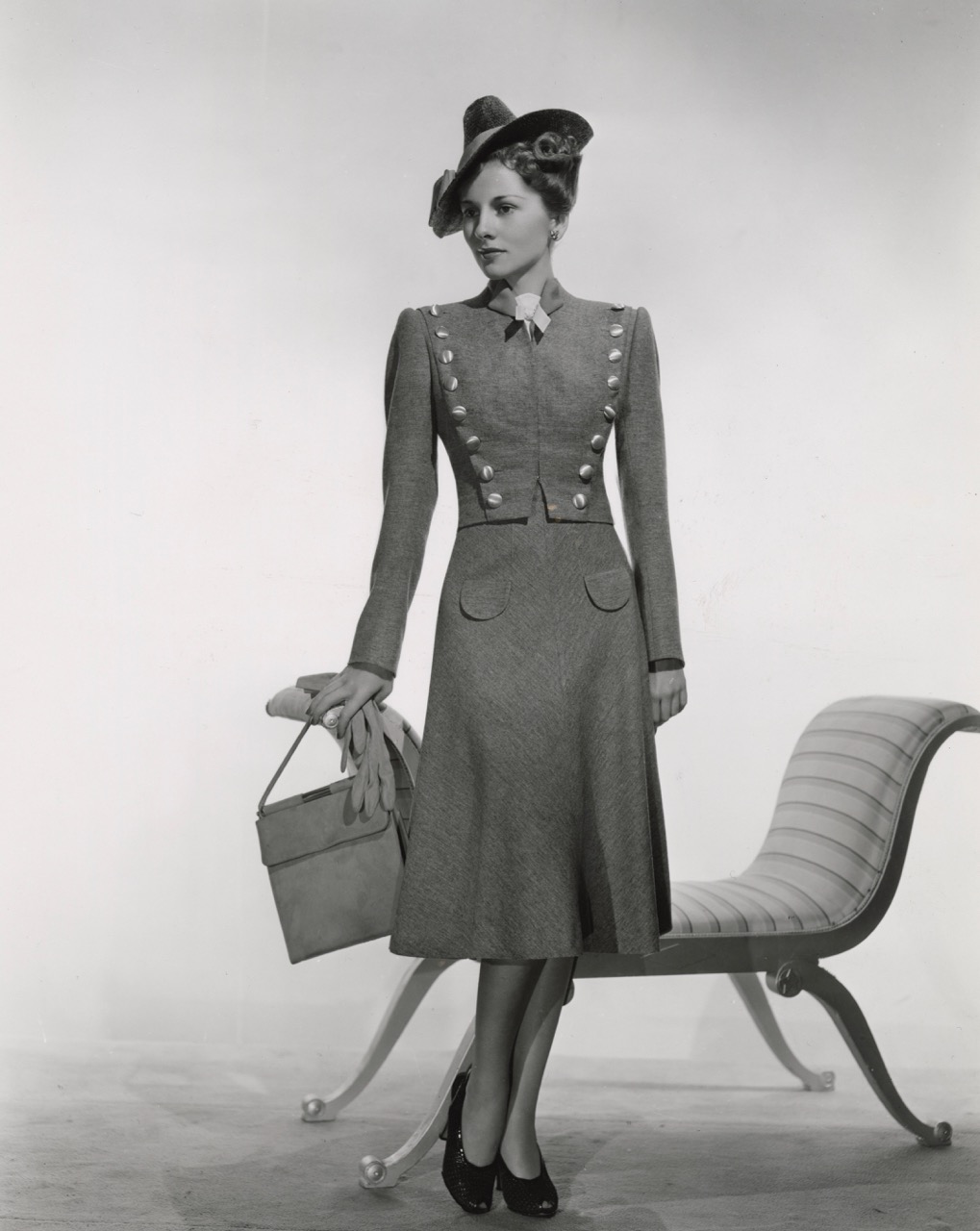
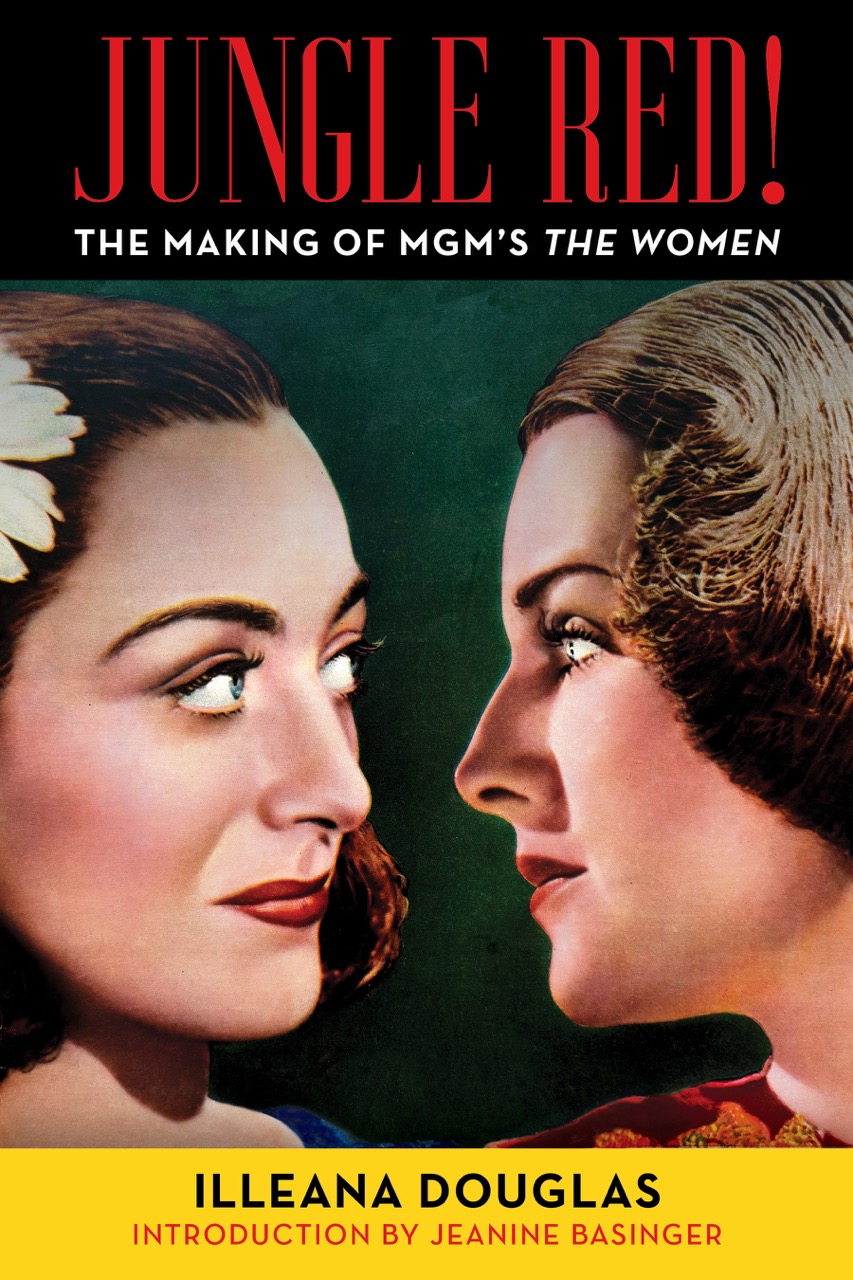
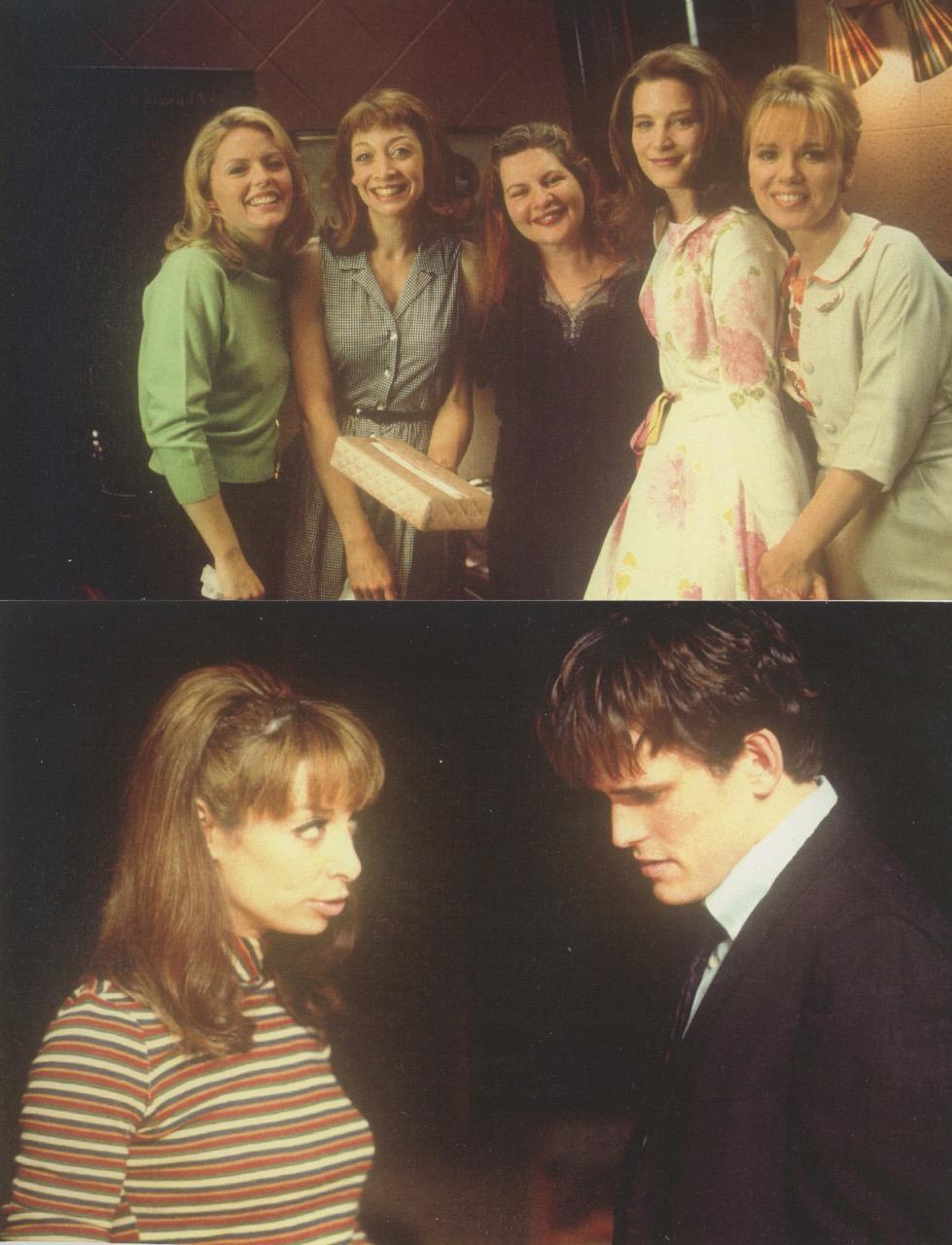
Image 1: Illeana and Eric Stoltz Grace of My Heart by Claudette Barius; Image 2: Illeana Douglas and Jungle Red; Image 3: Illeana Douglas Grace of My Heart by Claudette Barius; Image 4: Illeana Douglas John Turturro Grace of My Heart by Claudette Barius; Image 5: Illeana Douglas; Image 6: Illeana God Give Me Strength Grace of My Heart by Claudette Barius; Image 7: Joan Crawford and Virginia Grey; Image 8: Joan Fontaine; Image 9: Jungle Red book cover; Image 10: Martin Scorsese, Illeana Douglas and Me Grace of My Heart by Claudette Barius; Image 11: Meeting In The Ladies Room on The Women; Image 12: Norma Shearer and Virginia Weidler; Image 13: Patsy Kensit and Illeana Douglas Grace of My Heart by Claudette Barius; Image 14: The Haines Women, Lucille Watson, Virginia Weidler and Norma Shearer; Image 15: The rivals on screen and off Joan Crawford and Norma Shearer; Image 16: The Women in Reno; Image 17: [Upper] Allison with Illeana Douglas, Lucinda Jenney, Patsy Kensit and Bridget Fonda Grace of My Heart by Claudette Barius, [Lower] Illeana Douglas and Matt Dillon Grace of My Heart by Claudette Barius; Image 18: Virginia Weidler and Joan Crawford
Actress Illeana Douglas and I made a movie together Grace Of My Heart 30 years ago. She had an opportunity to find a writer/director and I was so lucky that she found me. She had seen my film Gas Food Lodging at Sundance and I had loved her in Gus Van Sant's To Die For. Together we found a story we both wanted to tell: a young woman in search of her voice as an artist against the backdrop of the songwriters at the Brill Building in the early 1960s. I wrote and directed, Illeana was my star. We had the most incredible time making our movie about a woman navigating her way as an artist in the male-dominated music industry. And as we come upon the 30th anniversary of our film, Illeana has written an incredible new book Jungle Red: The Making of MGM's The Women on the making of the 1939 George Cukor film The Women. And it's a number 1 best seller!
The title Jungle Red refers to a color of nail polish which the heroine of the film Mary Haines dons as indication of empowerment: she takes the lowest moment of her life and turns the tables on it. It's the perfect way into Illeana's very entertaining exploration of the powerful actresses in this classic film and the struggles they faced to attain and keep that power, as relevant today as it was then. The granddaughter of one of the most beloved actors of the Golden Age Of Cinema, Melvyn Douglas, and granddaughter of his formidable wife, actress and US Congresswoman Helen Gahagan Douglas, it's no surprise to me that Illeana would find the world of The Women and the questions it raises a rich, comfortable place to search for answers and treasures. While on her whirlwind book tour, I had to grab some time to talk with her about it.
Allison: Illeana, I'm so excited and thrilled for your success with your new book!
Illeana: Oh, thank you. It's unbelievable. I mean you were one of the first people to read it and you know, it's like you write this thing and you don't even know how it's going to be received or how people are going to react to it. And then you liked it, and I went from relief to thinking, "Well, maybe this could actually do well." And then the reviews came in. So, it's just been astonishing to me. I've been so pleased.
Allison: To have a number one bestseller is already crazy great, but that it's about a film made in the 1930s and that it's an all- female cast is really wild. So what made you dive into this? Like you, I love this film to bits, but what made you decide to write a book about it?
Illeana: Well, I think it goes back to doing the show Trailblazing Women on TCM. And I really questioned, as we've talked about, why don't we have these women's histories, why have women just been taken out of the narrative? When I was making movies, which was primarily in the 90s, it was very common to have women directors, women writers, and it sort of felt like, "Oh, okay, we've made it!" And then it all disappeared. And so because I love the movie, I thought writing a book about The Women would be a great way to talk about these women's place in Hollywood. You know, they were the queens of the lot. When I was toying with titles, I almost called the book Queens Of The Lot, except that George Cukor directed the movie. And I said, well, I don't want the connotation,'the queens.' But I wanted to write about how these were the richest, most powerful women in the world. And although it was the studio system, a totally sexist environment, they seemed to thrive and they had their own way of navigating their success. So I wanted to bring all of that into a book about this one movie. And it fascinated me because it's got this banal title, The Women. And everybody had their own interpretation of the women in the movie. And so it gave me many interesting avenues to talk about how each person who touched the script said, "Oh, no, these are the kind of women that I want to write about. And this is who Crystal is. And this is who Mary Haines is." And I found that to be very interesting.
Allison: It really does put it in such a framework because when I think about Norma Shearer, for example. I remember reading when I was a teenager about how she was phenomenally ambitious, how she started with the Ziegfeld Follies, came out to Hollywood and she went from little nothing parts in silent film to having this amazing career. And of course, Joan Crawford, a phenomenal path to that kind of status. So how do you think they did that?
Illeana: First of all, I always joke,"There was no internet." So you could leave Canada with two children in tow, which is what Norma Shearer's mother did. Her husband was a loser. He couldn't make any money for the family. And the mother was like, "I'm out of here. Norma seems very ambitious. I'm going to take my 2 beautiful children and go." And all three of them attempted to become actresses. They were like, you know, 'one of us is going to make it.' And they moved to New York and started all over again. Norma Shearer never really talked about her father or even admitted she had a father. Same thing with Joan Crawford. They could kind of create their own backstory and narrative. And that's what I so admired about each woman, they found their way. For Norma Shearer to become the biggest movie star at MGM seems highly unlikely, considering she had a problem with her eyes, she had a bad eye. And they said her legs were like piano legs. I mean, she didn't have a lot going for her, but she had this fierce ambition to make it. And so I found her backstory compelling. And then juxtaposed with somebody like John Crawford, who came from this hardscrabble upbringing; her mother was like a real toughie and whipped her and the father that she thought was her father was not her father. And her way out was dancing, and that's how she makes it to Hollywood. And the first person she gets in contact with was Norma Shearer. So already it's kind of fascinating because they're clearly kind of cut from the same cloth, but yet Norma Shearer is able to assimilate much more into Hollywood royalty in a way that Joan Crawford never could, I guess that's why I relate to her. Even though she married Douglas Fairbanks Jr. and had the finest clothes and the finest paintings and antiques, she would openly, resentfully say she was never accepted in Hollywood. And it always made her really, really angry. And then you have this third woman, Paulette Goddard, who just comes in on kind of a whim and she's snap, crackle, pop. She's on the arm of Charlie Chaplin and she gets right in. So you have to sit back and admire their tenacity. Joan Fontaine had this burden with her sister Olivia de Havilland. Now, in this particular case, it's a similar dynamic to Norma Shearer. Norma Shearer had a beautiful sister, but Norma made sure to get her right out of the way so that she could succeed. And with Joan Fontaine, their mother had Olivia pegged to succeed. She did the school plays. Joan was sickly so nobody thought anything about her. And the only reason they brought her out to Hollywood with them was that she was going to be Olivia's gopher. And when Joan started acting Olivia said Joan couldn't be at the same studio as her. She couldn't have the last name as her and so Joan really had a kind of fledgling career. If not for George Cukor taking an interest in her, I think she would have completely been a washout. So there you have an interesting dynamic with these sisters. That's why, again, The Women becomes very important for her. And so I wanted to write all these backstories because I thought it was fascinating that you know every step of the way that all of these complex personalities of these interesting women are now all going to meet up in a movie ironically called The Women. And I just think there's something completely fascinating by that.
Allison: Yes! And especially with the conceit being -- there's no men in the movie! Not one! Even the dog is female. There's a couple of remakes and in that 1950s one, The Opposite Sex, the men are present on camera. And it's almost an affront, like, "Hey , get out of here." You just don't want to see them at all. So it's interesting that in this first version they managed to make it entirely female, without feeling gimmicky.
Illeana: The challenge of that! And going back from the original play Claire Booth had to really fight for having this conceit. They were pressuring her to bring men into it. She didn't want to do that. The same thing with the movie. It was really screenwriter Jane Murphin's responsibility. I love reading all the different versions of the script. The first two drafts by F. Scott Fitzgerald and Donald Ogden Stewart you actually see Stephen Haines with Crystal. In the scene where she's at the perfume counter pretending she has neuralgia and she hangs up the phone, she says, "Ok, Stephen, I'll meet you at our corner." Well, in the Donald Ogden Stewart, you see him pick her up. So that would have been kind of interesting. You would have seen Stephen Haines. And then there's another whole long scene, which Jane Murphin wrote, which didn't make it, which takes place in Reno, where then Mary Haines starts to see someone new and she gets engaged. And it becomes a completely different movie. So then it was really Jane Murphin who solved the problem of coming up with ways that we would never see any men at all in the film. And obviously being in the beauty parlor, you get to see all the different women there, all sizes and shapes. And then you have a little bit of the social atmosphere of the people working there making fun of the ladies getting all of their treatments and everything.
Allison: Yes. I love it. And I love that there's the whole Reno thing which for decades was where women went to get divorced. Just such an interesting part of a woman's life at that time. Reno was also a place where women were together exclusively. Just girls, no guys allowed. You can't come in here. This is just for us.
Illeana: Oh yes, some of the bonding moments. The manicurist Olga who's telling everyone this valuable gossip. Well, of course, that's why people come to her. It's not just for the nails. There's nothing better than hearing that the husband of some wealthy society woman is stepping out on her. But I think it's Norma Shearer's strongest scene when Olga is sort of giving her advice and they're suddenly on the same social level. Olga is saying to her, "Well, it's better that you know, isn't it?" And it's kind of horrifying, Mary Haine's realizing, here's a complete stranger, Olga, with this information, Olga has this power to ruin her life because she's been telling the story to everyone again and again and again. But I love that suddenly now they're all women underneath the social prestige. Olga's giving her some advice by saying, "You know, this Crystal's a maneater. You'd better watch out." She warns her.
Allison: And that they're all under the power structure of men, the men in their lives and stuff, which is pretty amazing too.
Illeana: Oh yeah. I mean I always say that the play is a satire of the ladies who lunch on Park Avenue. It really is the roman a clef of Claire Booth's actual life. She's every character in the play. She's the home-wrecker. She's the long-suffering wife. She had a daughter. She had a wise mother. And it satirizes that. It's saying that this is the society where men force us into these positions: you have to have a wealthy husband, you have to do all these things. And yet the beauty parlor is a way of exposing how the women really feel about it.
Allison: Yes.
Illeana: I think unlike the play the movie exists on another plane, and I don't know if this is sort of George Cukor's philosophy, but it seems it's much more a satire of actresses! His actresses are very bitchy and catty, and they don't care if they call your husband or not. There's no sympathy. It's survival in the fittest.
Allison: And with Norma Shearer, I'll never forget the story about her throwing his ball when she was married to Irving Thalberg, and everybody was supposed to be dressed in black and white. And then as they turn up to the party, Norma's dressed in red. Carol Lombard had such a fit, "I can't believe she did that." Just to always stand out.
Illeana: Oh yeah. She wanted it to always be clear that she was the queen, so she would pull these stunts. The rivalry between Joan Crawford and Norma Shira was real because Norma was not a "girl's girl" in any way, shape, or form. I don't know if you know this but the Clark Gable was supposed to be in Letty Lynton with Joan Crawford. But as soon as Norma saw that Clark Gable and Joan Crawford clicked, she demanded him for her movie. And the same thing with Tyrone Power when she was doing Marie Antoinette, which she was apparently too old for. And she got a much younger leading man. She wanted Tyrone Power. She got Tyrone Power. But she also wanted him to escort her to the movie premiere! And he didn't want to go because he was engaged to another actress. Well, Norma Shearer got her way and he escorted her to the premiere. She wanted to give the impression that they were having an affair, and she wanted to be seen as a viable, sexual, attractive woman. And she lacked subtlety in demanding some of those parts. Joan Crawford famously lost Idiot's Delight to her. And that would have been a perfect role for Joan Crawford. But Norma Shearer, wanted the part even though she wasn't even right for it. And you have to wonder, did she want the part to stop Joan Crawford from getting the movie and being opposite Clark Gable?
Allison: See, this is why your book is so wonderful for anyone who hasn't seen or who has seen The Women, because they're getting that this rivalry is real between these actresses, which is really great. It's like watching Whatever Happened To Baby Jane? knowing that the rivalry between Joan Crawford and Bette Davis was real. When I read your book, it didn't have the pictures because I read it very early on. So going through your book now, it's just exquisite; the stills, the behind-the-scenes photographs. so many great photos. I love it.
Illeana: Yeah, I was obsessed when I would see the pictures of the set without the women in it. There's a beautiful shot of the Reno train set, it's like a hot set with the three champagne glasses. I love things like that. And then also pictures of inside Norma Shearer's dressing room, inside Joan Crawford's dressing room. And there were even rivalries as to how they each decorated their dressing room. Norma Shearer's is coral and Crawford's is plum and mauve...you just get a sense of everybody's personalities.
Allison: It's so good. Now, why do you think that this film always feels so current, in a way that the remakes just didn't? The remakes felt of their time. But this 1939 film, I don't know if it was the sophistication of the modern age/pre-World War II, but there's something that feels so present to me. Even the little girl! This intelligent, exquisite child. And her conversations with her mother and her emotions. I mean, what a wonderful little actress.
Illeana: Yeah, it's a shame she didn't do more things. Because again, I watched the movie this time while writing the book, and for the first time thinking "Will Little Mary make the same mistakes her mother did?" It's kind of a generational thing going on, like her conversation with Joan Crawford is so straightforward. It's another unbelievable tour de force scene, the moment to moment acting between Joan Crawford and Virginia Wielder, and Joan Crawford holds nothing back. I mean, she is just straight up nasty to this little girl and unapologetic about it. And when the girl says, "I never said I didn't like you." Then at the end, “This bathroom is perfectly ridiculous.”
Allison: Yeah, I love that. That little girl is saying what most people were thinking: “Does this woman live in this ginormous bathtub or what?” I have my fantasy of what became of Little Mary. You know it's so beautiful to think about. Because the other women in the movie -- we know where they're going, in a way, but Little Mary, that's so interesting, because there's a whole world of she could do and who she could become. And we've got the three generations of the Haines women. Mary's mom is pretty formidable...how she just blatantly comes out and tells her daughter, “This is the way it is.”
Illeana: Lucille Watson! I like to juxtapose Lucille Watson's character, the wise mother, with the Countess de Lave. They're both from the same era. And again, each one has her own philosophy of life. Mary Haines's mother says, “Oh, my dear, this is a story as old this time.” And even that conversation as I watch it with an audience today is a little shocking; this very open conversation about accepting the idea that your husband has affairs because he's not as smart or strong as women and he's not sensible. And that you just have to look the other way. And she says, “He doesn't love this girl. And you have a child to think about.” And in the end, that is one philosophy. And then Mary Haines does end up forgiving him. We sort of brush over that. So, she's got her point of view. And then you have the Countess, Mary Boland's character, who’s kind of the Jennifer Coolidge of the movie, she's like, “I've got money and I like young men and I don't mind paying for it.” And that's her philosophy. And that’s maybe why it's so modern, because of how unapologetic each character is. And the question as to whether that is the essence of those actual women coming out. I also think it does have something to do with director George Cukor setting the environment on the set, “You know what, ladies, just go for it. Just act like you really feel, no pretending. Let's see women as women really are.” And we don't dislike them. And the title Jungle Red is a sort of a battle cry: don’t shy away from being a bitch or from being catty or any of these things. Embrace it and have a sense of humor about it.
Allison: You know, that's it: those actresses were all 100% committed. It's really amazing. You'll often see a film where the actor is fully committed to a certain role but the commitment is so huge that the movie can't support it. But here you've got multiple women each having that kind of total commitment and in this case the movie can handle all of it. It can actually hold all of those individual commitments and still make something so entertaining and absolutely timeless.
Illeana: Yeah, it has these little surprises along the way, like when Mary Haines is going to Reno and you hear crying and then the camera pulls back and it's Joan Fontaine, the newlywed who is I mean, again, talk about early feminism; her husband won't let her get a job. She wants to have a baby, he says we can't afford to have a baby. And so, they’re going to have these fights. It's a little softer than the other storylines. But yet again, you see her character too.
Allison: Yes, I love it.
Illeana: And George Cukor gives everybody a nice moment.
Allison: Yes! I love Virginia Gray, just as the shop girl, you know, in the scene with Joan Crawford. She's just so great, such a fun scene. And she’s just in that one scene, right?
Illeana: She's just in one scene. And then there is Ruth Hussey and she plays Stephen Haines' secretary. And that I always point it out because unfortunately, in every script I read and even going back to the play, she actually had a bigger part. And in the script, she's the secretary who's in love with her boss. She's secretly kind of glad that Stephen Haines marriage is falling apart, and she makes some comments about Mary Haines, “Well, she should have been minding the home a little bit better.” If we hadn't had that crazy fashion show, we probably would have had more of Ruth Hussey.
Allison: Oh, my God. That's right. The fashion show! Because that part of the movie is in color, right?
Illeana: Yes! And then writing about The Women lines up perfectly with the 30th anniversary of Grace of My Heart. So perfect. And when I'm out on the book tour, believe me, people come up to me and they've got the Grace Of my Heart DVD.
Allison: Oh, good, That's so great. Yeah, it's been interesting to go back through the pictures from the film, you know, just so much fun that we had on the set. And that crazy great still photographer we had, Claudette Barius. She took that photo you sent me today of you and Eric Stoltz, your favorite husband!
Illeana: My favorite movie husband! I should have stuck with him.
Allison: You guys were so great together. And there's just so much stuff we both love that didn't make the film. Some that you and I both still have pains about. I mean, you always have to lose stuff in the edit that you love, but...
Illeana: Yeah, it's still my fantasy to put back my last scene with Eric Stoltz.
Allison: Yes. Me too. Maybe we can. I might still have that footage on VHS dailies.
Illeana: Oh my God, I'd cry. I have an almost photographic memory of every moment making it, you know, everything that happened, like a running movie in my head of everything that went on, every day on set...
Allison: Yeah, my God, I bet. And I'll bet you remember even more than I do. And we'll talk about all of it next week at our 30th anniversary screening!
Illeana: Oh I can't wait!
Illeana and I will present a screening of The Women together for the American Cinematheque at The Egyptian Theater in Hollywood Saturday Nov. 7 where she will also sell and sign copies of Jungle Red. And Wednesday Nov. 11 we will celebrate the 30th anniversary of Grace Of My Heart with a screening and Q&A at Vidiots. Illeana will also sell and sign copies of Jungle Red afterwards. Jungle Red is available where ever you buy books!