









No items found.

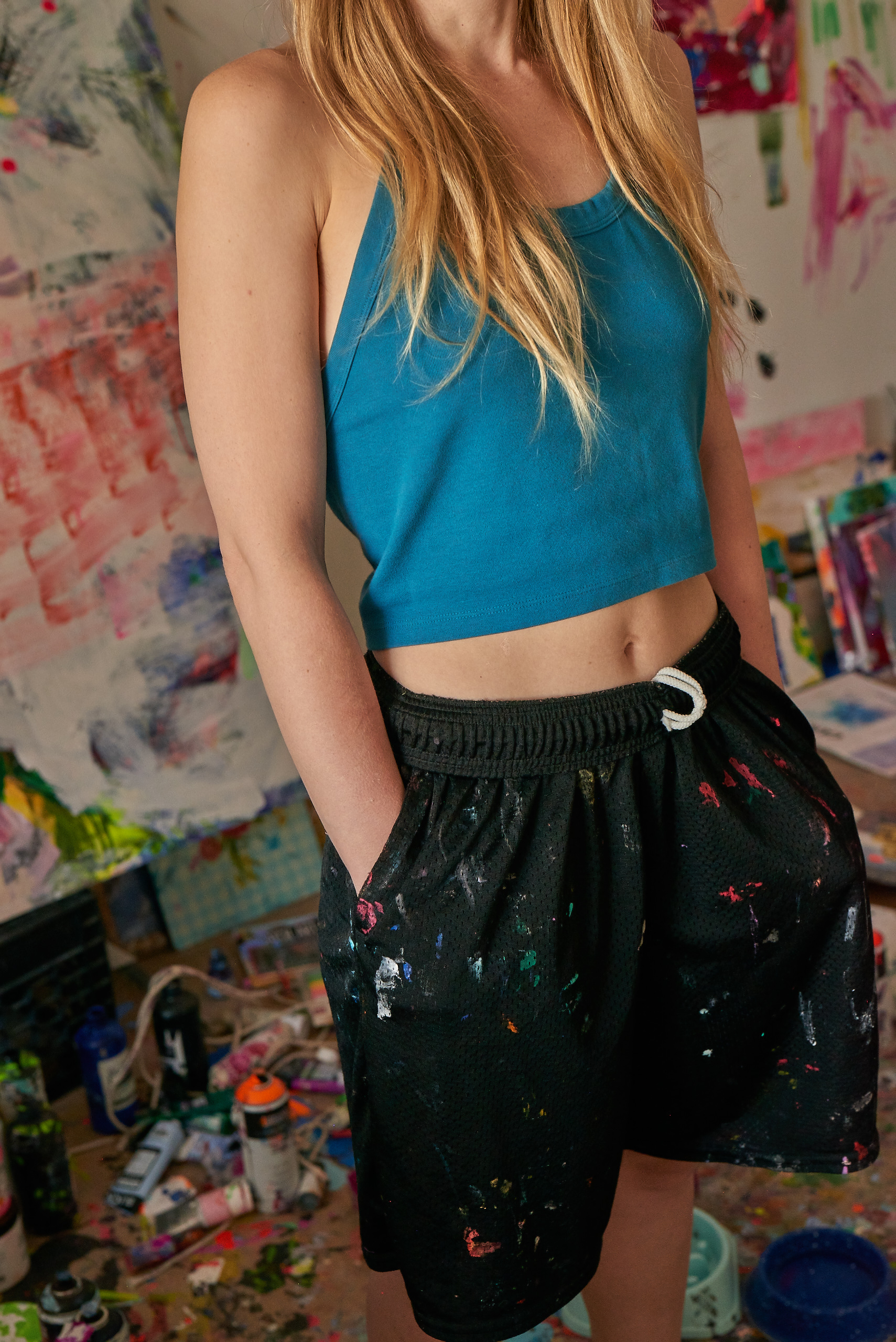
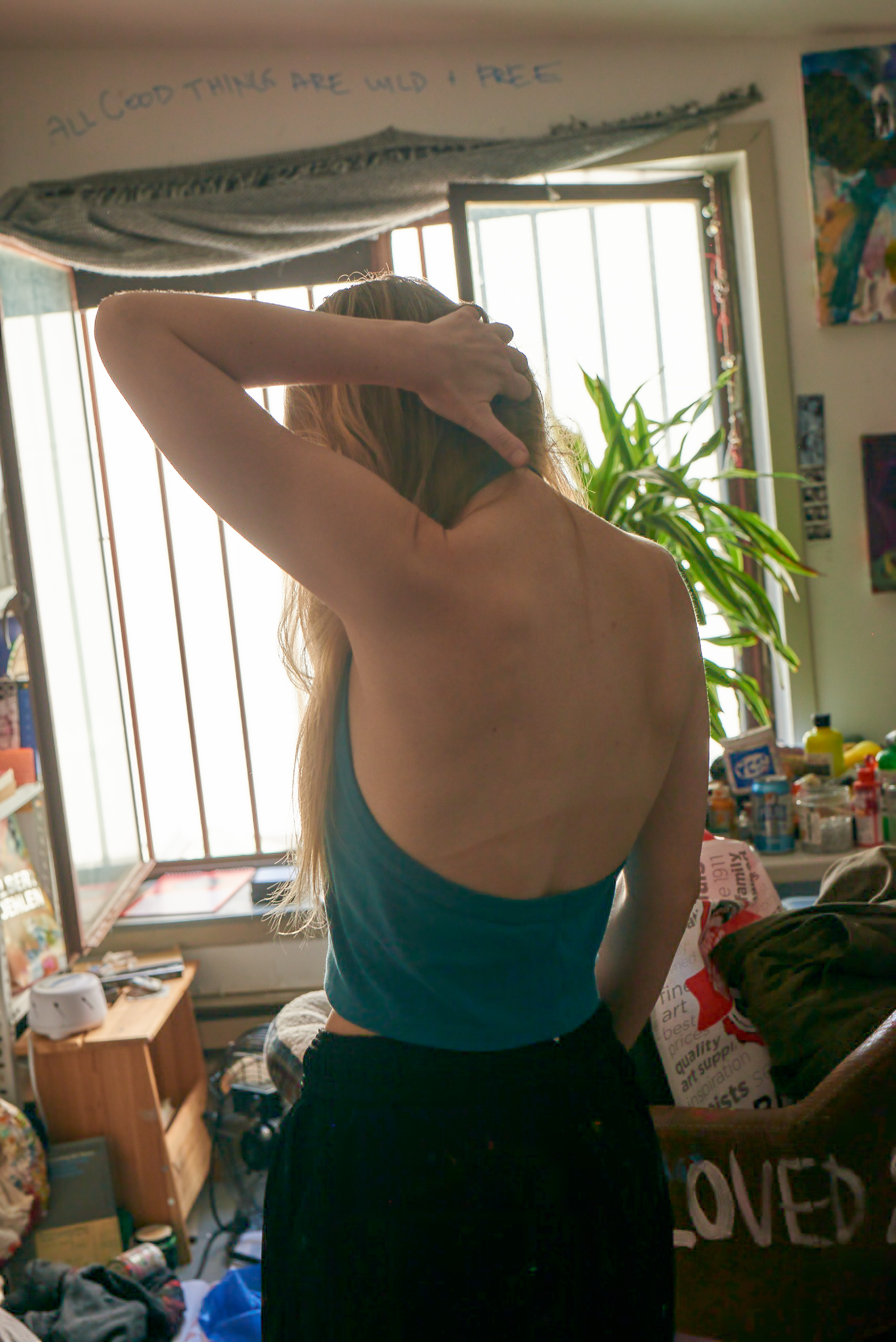
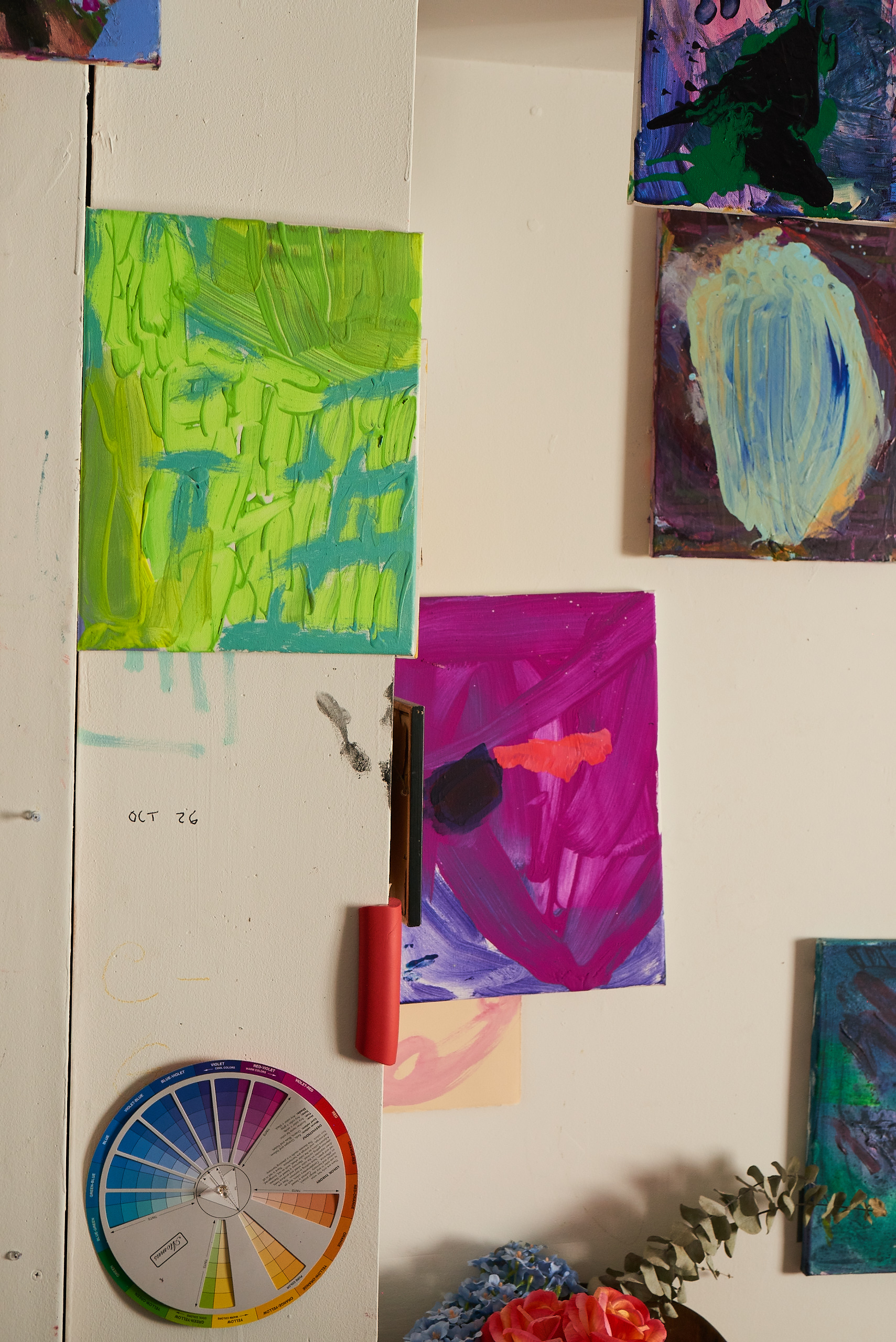
Photography by Los Estrada.
In 1965, the city of Philadelphia erected Love Park or, as it’s seldom known, John F. Kennedy Plaza. During the ‘90s, Love Park’s ledges, stairs, and open space became one of the most infamous locations in skateboarding. Along with everything Love had to offer, its location in Center City was adjacent to other soon-to-be iconic spots. For many, Love was the epicenter of skateboarding in Philadelphia until the city cracked down in the mid-90s, handing out tickets, confiscating boards, and even chasing down locals and visitors on motorcycles, resulting in “resisting arrest” charges. As a “peace offering,” the city allotted 16,000 square feet under Interstate 95 for skateboarding. Known colloquially as FDR, locals such as Carlos Baiza modified, built, and reimagined the space, converting the dusty terrain into one of the most well-known DIY skateboarding spaces in the world.
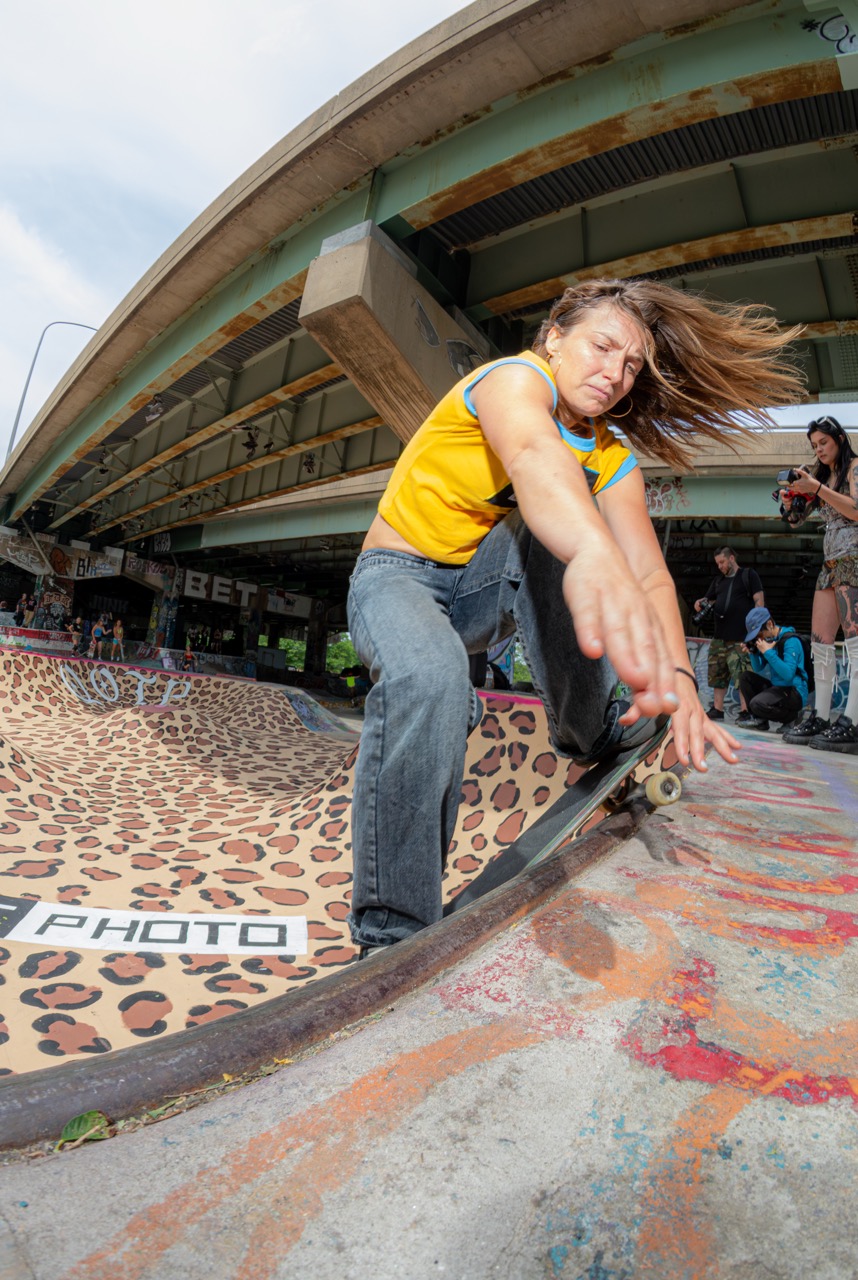
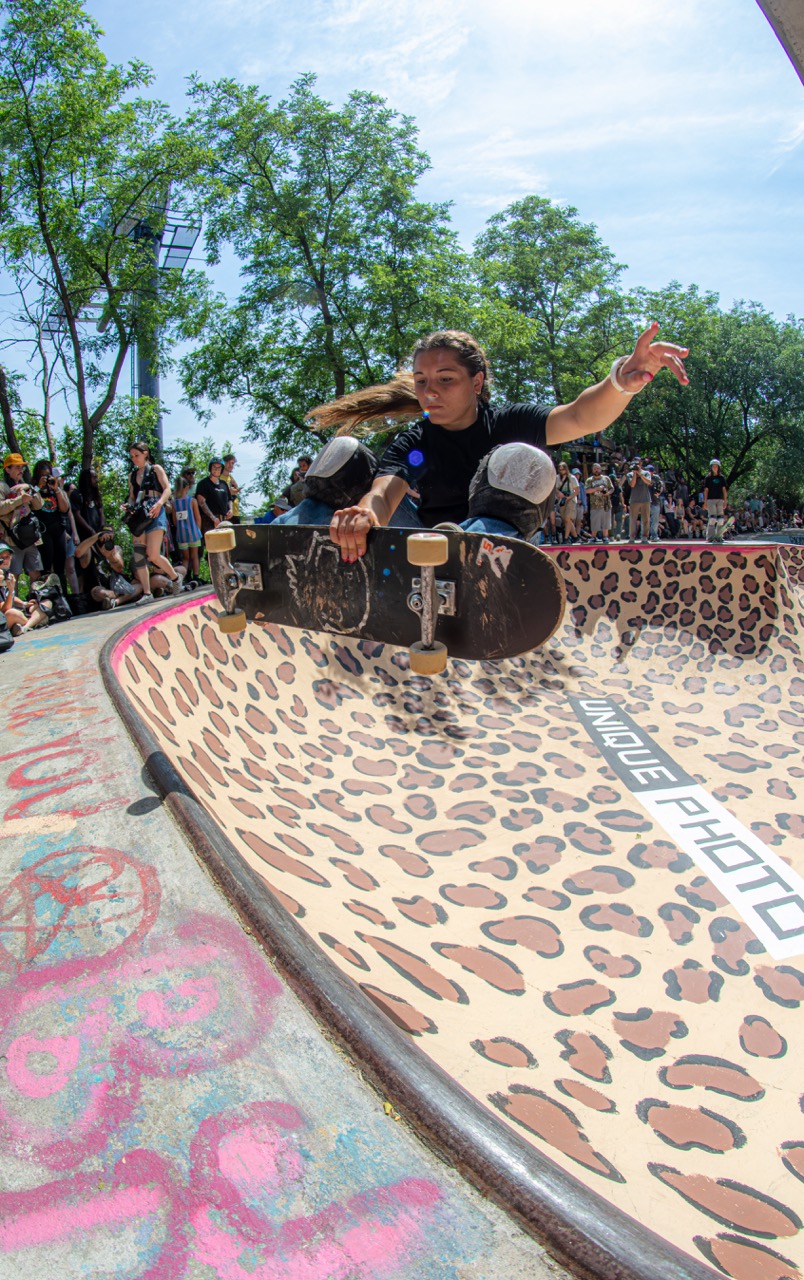
Lauren McFadden is a multi-disciplined artist, skateboarder, and musician. Working independently with Baiza, his wife Nicole Rypins (through their organization FDR Skateparks Co.), and a tight-knit group of locals, they maintain an essential part of Philadelphia’s skate history through rebuilds, events, and collective creativity. Coming off their annual “Queen of the Park” girls-only community event and competition, I caught up with Lauren to talk about her “home” under the bridge.
You’re always on the road, Lauren. Where are you at right now?
I'm in Milwaukee, specifically in a 10-year-old's bedroom. [laughs] I'm crashing until I get my housing figured. Milwaukee's cool.
What brought you to Milwaukee?
I do large-scale fabrication in different mediums. I’m working on something for the Milwaukee Public Museum–they’re in the process of moving to a new location, so we’re doing a couple of exhibits at the moment. We’re making these giant rocks that dinosaurs are going to sit on.
Making prehistoric rocks is a pretty fucking cool lane. How did you get into fabrication?
Honestly, it was all through FDR (Skatepark). You know, typical skate park stuff. I never knew how to use tools until I started volunteering all the time. So yeah, 20 years ago, just showing up all the time, getting better, building stuff at the park. I've always been an artist. Something shifted when I was at the skate park–part of DIY culture. I started thinking big and not thinking about impossibilities. Then I started applying that to the art I was making. I started building the Gnar Bar–just going for it in different ways.
Then one day I just made a resume. I put FDR on my resume, I put Gnar Bar on my resume, I had designed a resume. I put “School of Life” on there and somehow I fell into fabrication. I was known for concrete work, put my resume out, and a company was like, “OK, you’re hired as an artist, show up at this location in Florida." My first project was at Universal Studios… the new Epic Universe project.
How would you explain FDR? It’s one of the most legendary DIY parks in the United States, along with Burnside in Portland, Oregon, but it’s so much more than a space under the I-95 in Philadelphia.
Sure, this year was the sixth one. I started skating 20 years ago and I’ve seen the women’s scene grow exponentially, especially at a space like FDR. I’m 40 years old now and it’s funny—organizing these kinds of events and talking to the younger generation—I’m still super hyped on making flyers and handing them out, you know? I try to keep them at the center of things, not for nostalgia, but I just love flyers. This year we went out and wheatpasted them around the city. I travel so much, so I wanted to make sure the crew had plenty of physical flyers to put up everywhere. It’s a tradition.
Back in the day, you didn’t know what was happening at FDR unless you were down there all the time. You’d meet up at 8 am and the truck wouldn’t come by with the mud until 1 pm, so you’re just there all day long. It was a different world before phones.
How did you even find out about FDR?
I grew up in a small town and didn’t even see skate videos–nothing like that. I was definitely a ‘90s kid… you know, a super weirdo. When I was 20 or 21, I moved to my Grandma’s place in Delco, right outside of the city (Philadelphia). I wanted to learn how to skateboard; it was just something I really wanted to do.
So when I moved, the first day I was at my Grandma’s, she was like, “You gotta get a job,” so OK, I go to the mall to find a job and I see these kids who looked like they skated and was like, “Yo, I want to learn how to skate, where should I go?”
Back then, FDR was a total free-for-all. There were different shifts–the night shift was heavy on BMXers and shit like that, but it was a party every night, even on a Monday. I was just pumping around in whatever capacity I could and as I got better and built up my muscle memory, I learned how to skate at night, which you know… it’s a lot different to skate when it’s totally dark. So, literally my first day in the Philly area, these BMXers took me and showed me where I could learn to skate. These kids from the mall picked me up at my Grandma’s and just kicked me off. They were my first group of friends. And back then, people weren’t so nice, you know?
I ended up getting a job in the city bartending and I was still living at my Gram’s, so I’d take the bus to work or to FDR and it stops running at 1 a.m., so I’d get off work, take the bus to FDR, skate all night, party, and take the bus back home in the morning when the bus started running again–even in the winter. It was the most exciting thing I had ever felt; just being able to take public transit was the ultimate freedom. Eventually, I made a friend with a guy who was living down at FDR and that really became my home. Then I learned about the builds they were doing and I’d just show up. You know, “OK, everyone carries a bucket and we do it this way,” and I really took to that because I wanted to learn how to make shit and just be part of everything that was happening.
Fast-forward, I’m hanging out with Carlos (Baiza, President of the FDR Skateparks Co. board) all the time; we started doing events and making it happen. But how do I describe FDR? It’s home.
I don’t know if outsiders realize how many factions there are within skateboarding. Back in the ‘90s, there were tensions between people who skated at FDR and some people who only skated at Love Park or City Hall. Well, maybe not tension, but people who skated parks or ramps more got called “Daggers,” which came from the “bad guy gang” in the movie Thrashin’. Are there still divisions in Philly?
You know, the hardcore street skaters don’t necessarily mix with the people at FDR as much, but now there are a lot more well-rounded skaters. When I was coming up, the crazy street skaters did not come to FDR, but now there are more public skate parks in Philly and people are more open to skating different things. Back in the ‘90s, you didn’t have as many spots like that. It was FDR or the streets, really. Also, DIY culture is a little more normalized and you have your hardcore FDR people, but there aren’t any serious beefs like there used to be.
Maybe it’s just because skateboarding itself is older now, but people in all subcultures seem nicer or, at least, they’re less protective about letting people in.
100%, that ties in with the “girls” thing. When I first started coming to FDR, it was not easy to do. Grown men there were scared of the scene and social interactions. It was gnarly. It’s different now, but people will still come at me because they think I’m making money or just to be haters. Eventually people realize what’s going on and apologize, but that’s the reality of Philly: people love to hate.
Now that I’ve traveled so much more and I’m in different places for months at a time, I’ll see different skate scenes across the US, and they’re so much more accepting. Not in this weird cheesy, whatever way. People don’t think so highly of themselves because they do cool shit or build skateparks. I think I was just in a toxic relationship (with Philadelphia) for 20 years. Skateboarding is fun, I guess I forgot. [laughs].
I have a theory about that hate. Philadelphia, like Boston, Massachusetts, are these very proud cities with a lot of history that also have storied universities. So you always have this weird dynamic between locals and the new people that come in for school in the fall. And then you have both cities being “little brothers” of New York or even Washington, D.C. They’re underdog cities in a way and great at hating.
There's part of me that really fucking appreciates the hate and loves it. I think there's a lot of people who need to be checked. Philly is a really raw place to live. It’s a good hodgepodge of different cultures. I’m naturally pretty aggro, you know? When I’m traveling, I realize I need to chill out. I’ll be losing my shit and everyone else isn’t phased. I talk mad shit. When I’m skating in other cities, I don’t have to worry about people talking shit as much, but also, that kind of shit pushes you–it keeps me in check. I’m definitely proud to have lived in Philly for 20 years. It’s still my technical address.
No matter what happens behind the scenes, I see the photos and videos from Queen of the Park and it’s a crazy turnout. People obviously appreciate all the work.
We've done a really good job of bringing in the whole community. We appreciate bringing in more people and we’re inclusive, but when you bring in more people, shit can get fucked up. You get weird entitlement. You get moms with scooters who don’t understand the flow of the park. But all the bullshit you have at regular skateparks is pretty muted at FDR. You can’t even put up graffiti or have a band play at those city skateparks. I do appreciate an event where punk rock, music, and skateboarding can come together in this sovereign state–this utopian moment. I’ve had so many people tell me they look forward to the event every year. I’m a pretty diverse person when it comes to my friend groups. I’ve got 70-year-old brain surgeon homies and people from all walks of life. Besides being involved with producing the event, I enjoy being there. The art day is fucking beautiful. My close friends will take three days off from work to make sure they’re there to work and build all this shit for free. It’s pretty sick.
So you have the contest and the art day at Queen of the Park, but tell me about the origins of the Gnar Bar. It’s a wild concept…
When the first one came about, I was working full-time as a mechanic. I was working by myself a lot and listening to that book The Magic of Thinking Big (David L. Schwartz). The first ever girls’ competition was happening and I was responsible for the music, the vending, and just getting everyone hyped, you know? I had been a bartender for a long time and I love the art of the bar–I really think bartending is an art. And I love creating spaces. Carlos and some other people had an idea about building a shed at FDR–this was about 15 years ago–and the city eventually shut it down because they didn’t want a structure that tall under the overpass. But I loved that little secret enclosed area. It sat there for 10 years after it shut down, full of piss, trash, and leaves, and I was like, “Man, it would be so sick if I built a real bar with weird furniture! That’s where I wanna hang.”
I used to work at a bar in Old City where a lot of tourists would come and they’d ask me what my favorite bar was. I’d say, “I don’t know, I drink under the bridge. FDR is my favorite bar.” So what if I made it a real bar? Everyone was like, “Sure, do it,” but I don’t think people understood what I was talking about. It took about two weeks to really clean it out and a few people helped, but I don’t know if they really believed in my vision. I started making furniture at home, building cool shit, and when people came into town for the event, they were like, “What the fuck is this? Holy shit!”
I bought all the beer with my own money and, after I paid myself back, I made about $1,000 for FDR. It was the perfect space to hang out and then it grew from there and became my “thing.” I want to do it every year and spice it up. It became my passion project.
And the city is cool with it?
Knock on wood, we just go… with the whole event. We’ve gotten good with cooperating with the city and staying true to ourselves. Ever since the vert ramp caught on fire and almost burned down, the city was like, “Yo, no more fireworks.” That used to be a Fourth of July tradition. You know, getting hit with a firework was a rite of passage. We enforced it. The city could have done some crazy shit on us, but they turned a blind eye. They even advertised for the event this year.
OK, I want to talk about this. When I was looking at the event flyers, there were like 87 sponsors. How are you getting all this support?
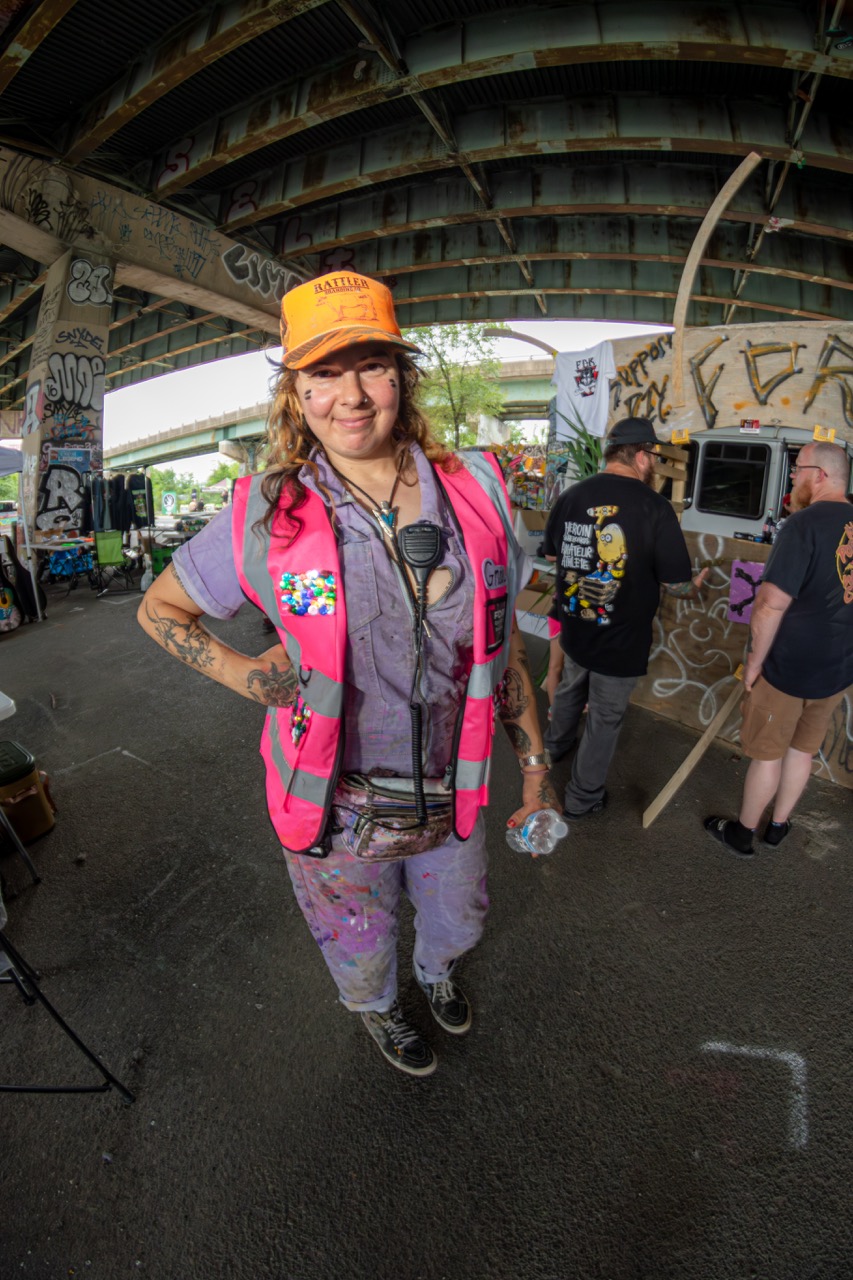
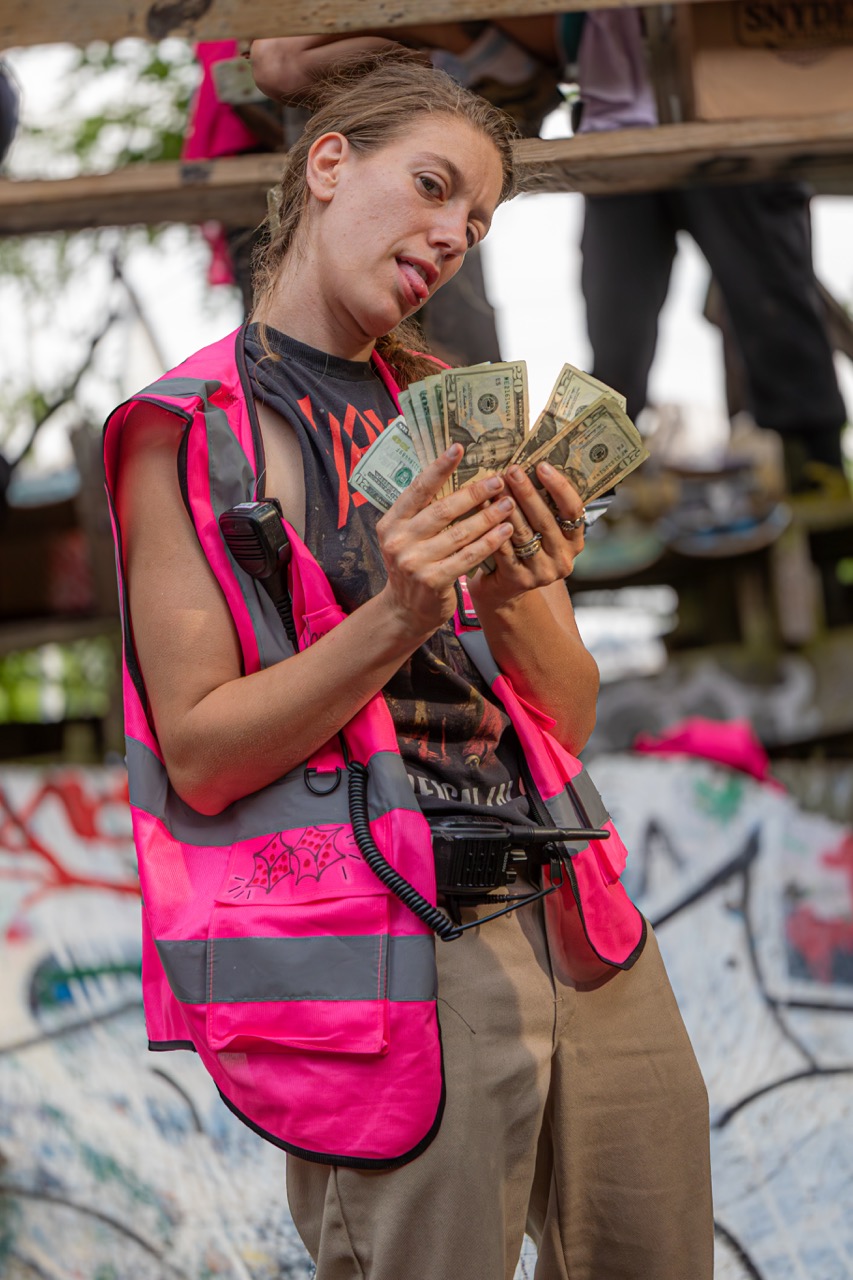
People are stoked on it and a lot of them reach out to us. A lot of the sponsors aren’t even from skateboarding. We had Neosporin this year. One of the little skater homies works for Neosporin and he pitched to him. Over the years, I’ve worn a pink high-vis jacket as a joke but also to look “official,” and people would ask me for Band-Aids or where the “first aid station” was. I think of this event as a moving art experiment. It’s like playing house. So I was like, “OK, we need a DIY first aid thing,” so I was like, “Yo, go back to Neosporin and tell them I'll build them something a cool space—a weird telephone booth with Neosporin's name all over it, but we need bandages, fuckin’ alcohol, and a ton of Neosporin.”
It keeps growing and we’re able to get more sponsors. Carlos’ wife Nicole is really good at getting sponsors set up–that’s her specialty. It was her idea to have the girls’ contest from the jump.
How many people did you think would show up to the first event six years ago?
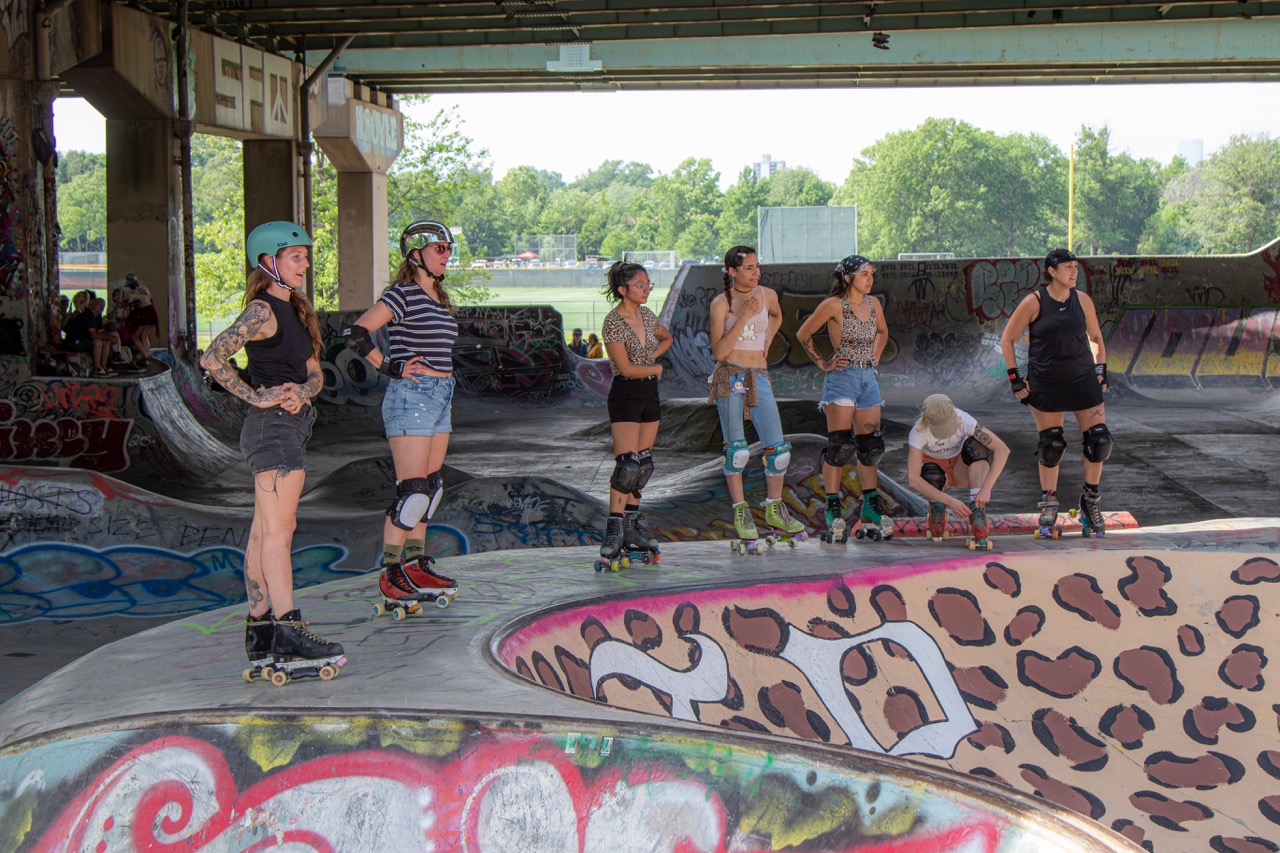
At that time, the girls scene was blowing up. It was just after Covid. We started seeing more girls skating and roller skating everywhere. Instagram was getting hot. There were sessions happening at FDR that were all chicks, which you never saw before. In general, we were like, “I hope some people come and maybe compete.” Last year Ruby Lilley and Fabiana Delfino just showed up. I guess her crew saw a flyer and came down while we were painted and extended her trip to hang out. Now they’re working with Washington Street Skatepark (San Diego, California) to have its first-ever girls skate competition.
I think that speaks to how much skateboarding is grown and changed for the better. Not just having more representation, but having women, LGBTQIA+, and non-traditional people doing things independently and creating entire communities and genres within skateboarding.
Definitely. The girls comp and the project in general started with just me, Carlos and Nicole organizing it all. We all do a little of everything, but Nicole really handled the contest stuff and getting sponsors. Gloria Haag (founder of Shredher) was the first lady I had ever seen skating down at FDR or in general, really. She became a part of my orbit. I grew up in a small town before the internet. I’m the first powerful woman in my family. You know, everybody’s strong, but I was going to dress crazy, be myself and get in trouble for it. I stood fast to that. Something inside of me was always on fire. I had never witnessed a powerful woman. The women in my family were broken down by life or in bad relationships.
Growing up, I thought you had to be either strong and powerful or beautiful. I didn’t know you could be both. I chose powerful and once I moved to Philly, not only did I meet powerful women, I met beautiful, powerful women who embraced their femininity. That broke my brain. But Gloria really headed up the idea of painting the park, but unfortunately, she had some health issues and had to fall back. For me, the painting is important. It’s not “branding” or whatever; it’s what makes it fucking special. The park is painted, we’re building things. As a human–as an artist–it’s coming together through art that’s so fuckin’ rad. It helps build momentum and create an energy and we saw that this year. I see women of all ages–skating or not–being really excited about what we do.
I think having a space to do that is really important. Look at every new apartment complex or some commercial gray box that pops up every day. Is it a fuckin’ bank a franchise restaurant? The sign just changes in this beige-ass world.
Look at Taco Bell. Bro, why would you ever change the ‘90s Taco Bell building? [laughs] Whether it's painting or skating or punk rock, I think doing those things helps people think bigger. You gotta pull them in and give them that permission to do it. You see it with girls ripping harder at the competition because people are coming from all over and they gotta represent. That gets me so hyped. Also, it gives them a space. Nicole was up there when we were handing out the prizes this year and she was crying. Everyone was just totally overwhelmed.
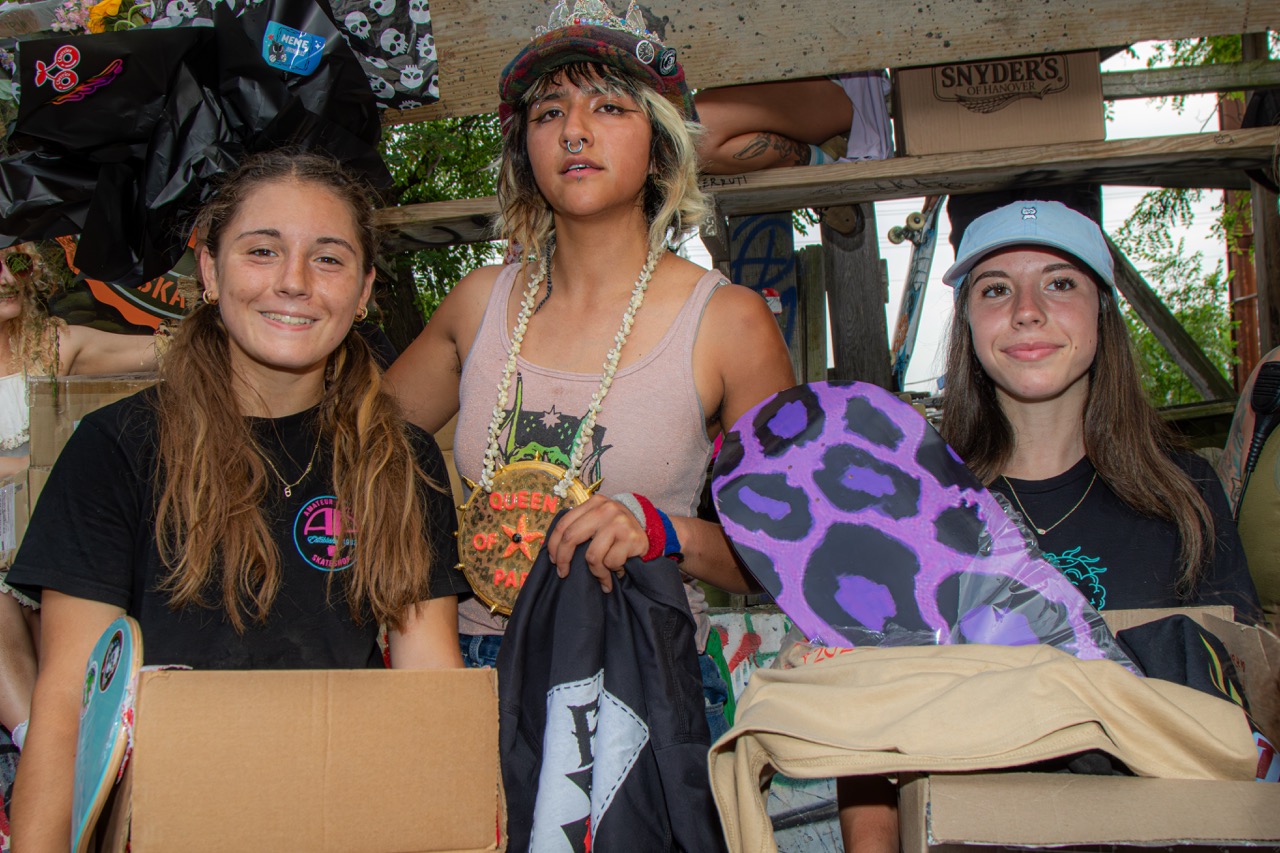
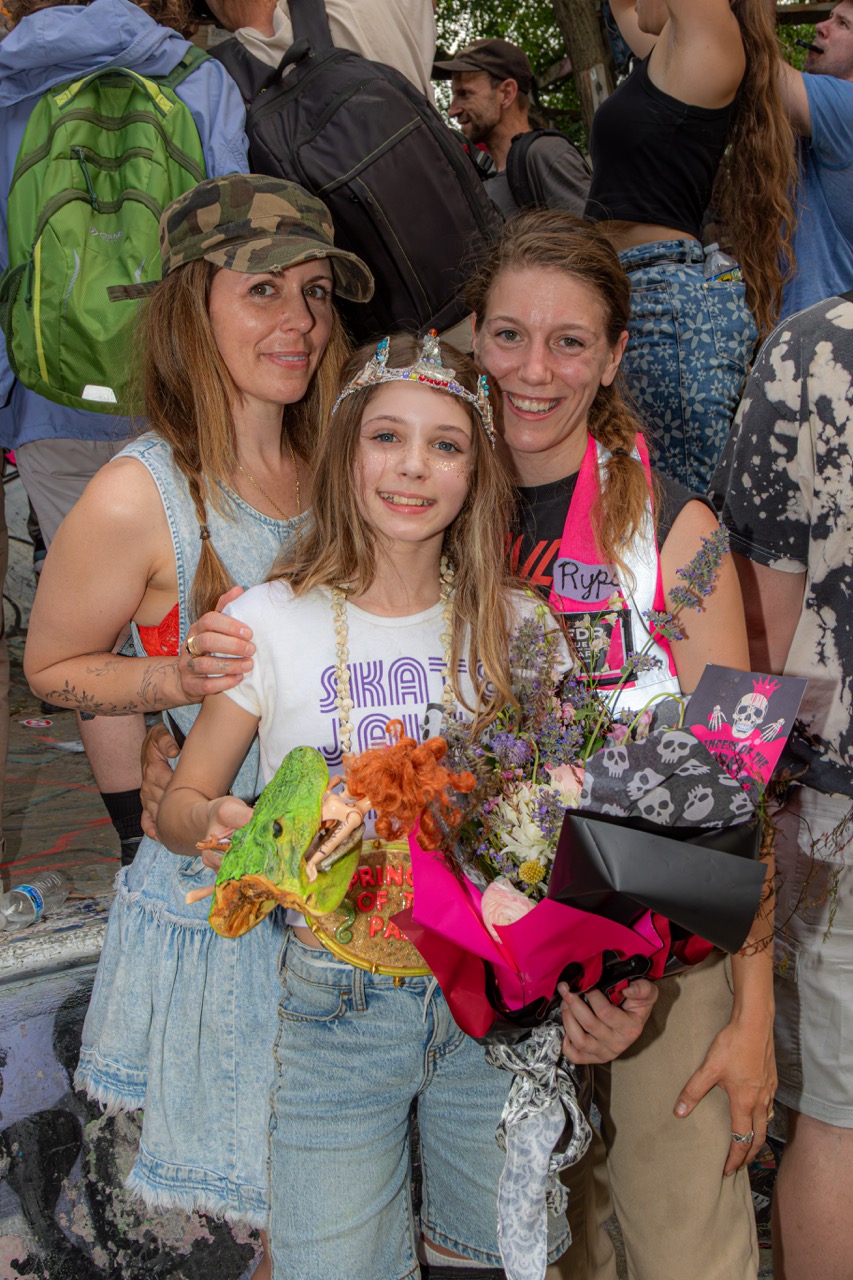
I asked my friend who is an artist, “Hey, Myrrah. What do you think about making crowns?” We had never done that before. I would say my biggest skill in life is recognizing other people's skill and putting them in a position of rising to the occasion. So, I asked her to make a princess and a queen crown and she was like “Bet.” Then another girl who I knew was coming from Jamestown, New York, is an upholstery maker. I said, “Hey, how do you feel about making pillows, you know, like that a crown will sit on?” Then they came together, and it was like this regal affair. We had a bouquet maker and she brought these incredible bouquets I've never seen anything so beautiful. Adam Wallacavage’s wife, Jodi Rice, made these giant pendants out of seashells that said “Princess of the Park” and “Queen of the Park”, so they’d be like Olympic medals.
These girls are just showered with so much love, surrounded by creativity, and you know that’s not “normal” in skateboarding. It’s either X-Games, where it’s super bland and generic marketing bullshit or it’s a super masculine type of thing. I have nothing against dudes, but there’s an energy that comes to the table in a typical masculine environment and if you go to other events at FDR, you feel it. Like, when I go to a dude’s barbecue, I bring ketchup and mustard, because I can't tell you how many dudes have invited me to a barbecue, and they just had meat and buns. You know what I mean? Sometimes dudes don’t care about the details.
We had two bands fly in from Colorado; they got to town to skate the park and helped us paint and prep for the event. They come to town and they’re helping us build this and they’re part of it. My favorite thing in the world is to see what you'll come up with and watch it unfold. Selfishly, I want everyone involved; I want you to paint that ugly brown piece of wood purple.
And no matter how much you plan, you never know what’s really going to happen.
Totally. It’s like a big blind date, you know what I mean?
It’s (Queen of the Park) a full immersive, interactive experience and it’s powerful. Whether you’re a spectator, helping us paint, skating, or a vendor, I want people to walk away changed.
This event allows so many different people to shine. We want everyone involved to feel special. You can be yourself here. I’ve felt lost; I’ve struggled. Everyone does, but here, there’s so much going on, there’s so much you can be a part of, and I want people to fit in and feel free. That’s a rare thing.