









No items found.



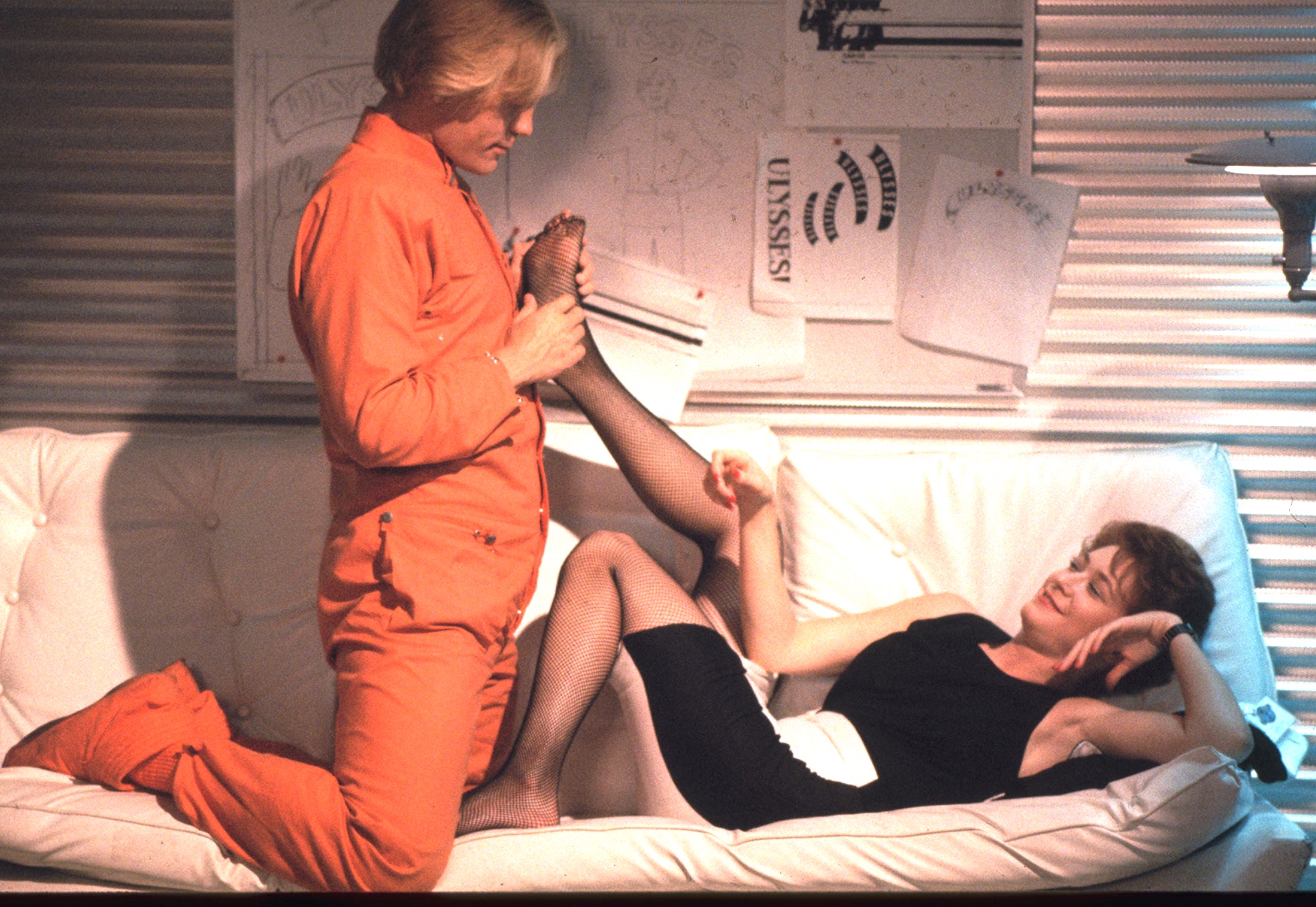
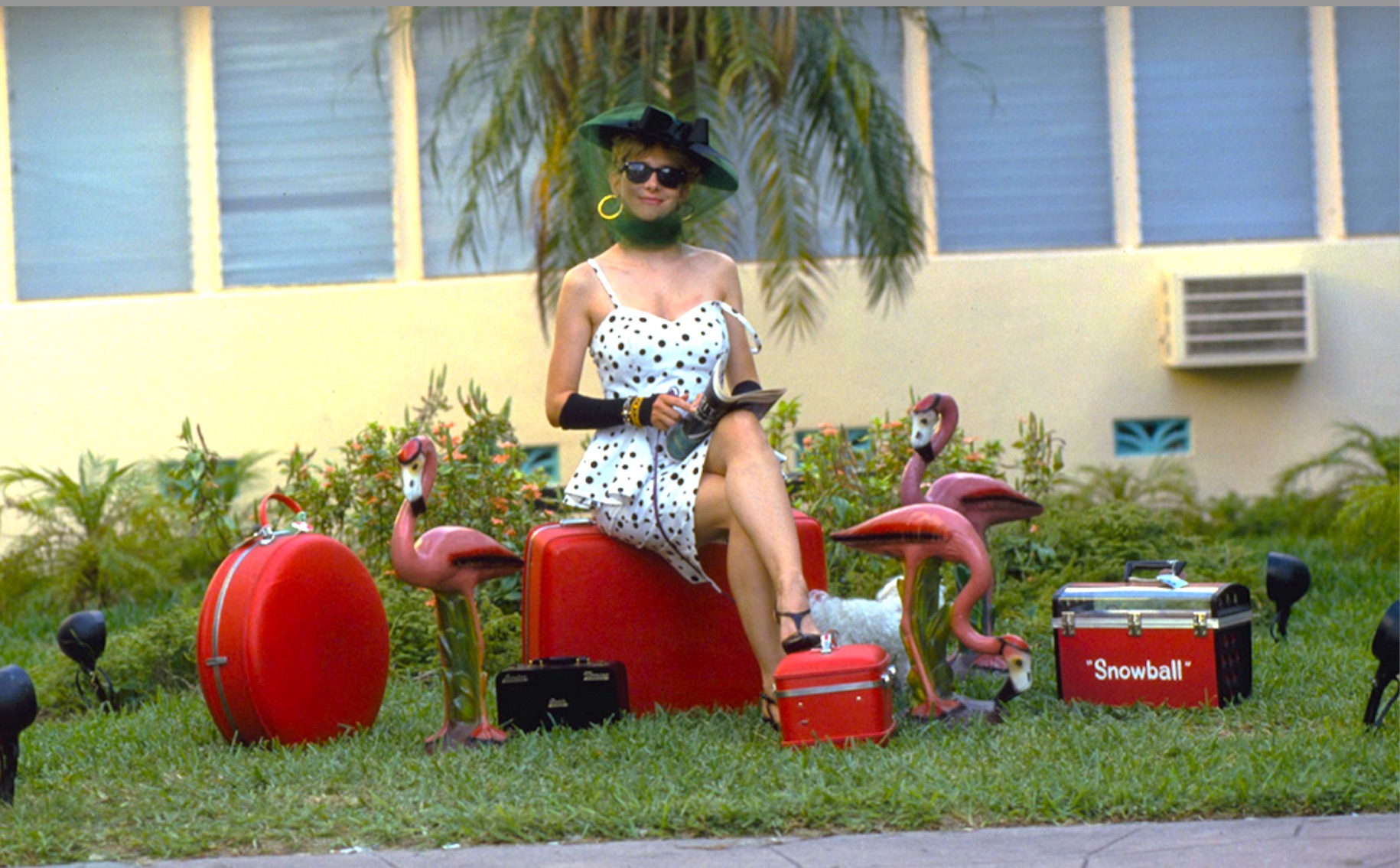
There are so many films I have loved and cherished and enjoyed in my life, but only a few which I can turn to in my times of need that thrill me and make me so damn happy to be alive. There's an even shorter list of movies which have inspired me to make certain brave choices as a filmmaker. And it just happens that director Susan Seidelman made two of those films. And those were just her first two movies; Smithereens (1982) and Desperately Seeking Susan (1984). Since then I've got to enjoy decades of her beautiful, funny, bold and authentic movies: Making Mr. Right, Cookie, She-Devil, Boynton Beach Club and oh my god the pilot for Sex In The City!
Filmmakers are as different from one another as musicians are, so it's incredible to me that we two women directors, one raised in Philadelphia and one in Kentucky, who went to film schools on opposite coasts, share so much common ground. I was so honored when she asked me to contribute a blurb for her glorious memoir Desperately Seeking Something which I promise you will love and take into your life as little lessons and sign posts to what is possible. You don't have to be a filmmaker, just a dreamer to take it to heart.
So, as is classic in my chats with her, Susan and I jumped right in, with her asking me the first question, even though I was supposed to be interviewing her! What evolved is a conversation between two women seeking and finding.
SUSAN: What I was going to ask you and what I was going to say regarding your memoir and mine as well, is that I feel kind of lucky to have come of age at that certain time where the old Hollywood studio system was fading out. You were on the West Coast, and I was on the East Coast, but there were definite cultural benchmarks and touchstones we shared.
When a new movie—whether it was a Hollywood blockbuster or a little indie that generated a buzz—people knew about it. Right now, I don't even know where to find movies. There's just so much stuff out there. But there were still those movies that broke through in some ways that everyone talked about whether you were a film student or whether you were… just anyone. But that was, you know, talking points.
ALLISON: Yeah, I don't know how to find the movies either! I don't know where things are happening. Sometimes I can get a glimpse by following Sean Baker—he just posted something about being at some little small theater somewhere that was playing these movies I'd never heard of. But otherwise, I’m at a loss. We grew up where there was this sense of community with pop culture. We were watching the same stuff on TV and not just what they were handing us, we were discovering old movies, juvenile delinquent movies and all that stuff on late night TV. We were all listening to such a variety of music on the radio. FM came in and that broadened things. You were waiting for a certain record to come out. You were waiting for a movie to come out.
SUSAN: Or even the early days of MTV. I was waiting for a video to come out and those videos were also cultural touchstones, you know?
ALLISON: I was writing about Madonna in my book. And I open the chapter talking about Desperately Seeking Susan and about the first time I saw her record at The Wherehouse, picking it up, and thinking, “Who is this beautiful girl?!”
And then I saw your movie and that moment when Madonna puts the money in the jukebox and dances off, and it turns out, it's not the character's record, but it's Madonna’s “Into The Groove”. That exhilaration I felt in that moment, watching her dance like that… I'll never get past it. It was just so beautiful and it thrills me to this day. Did you have any idea of what a moment you were creating right then and there?
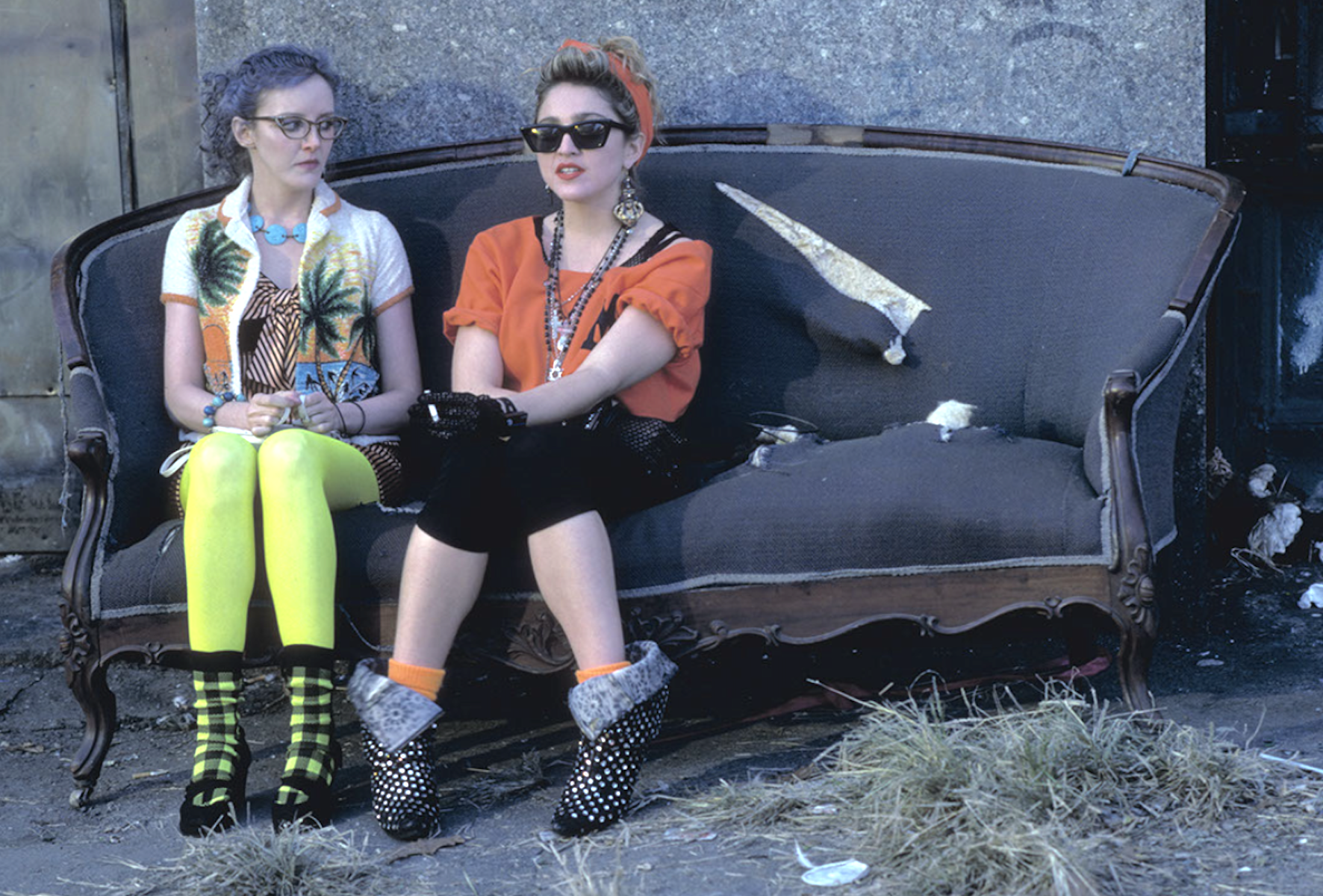
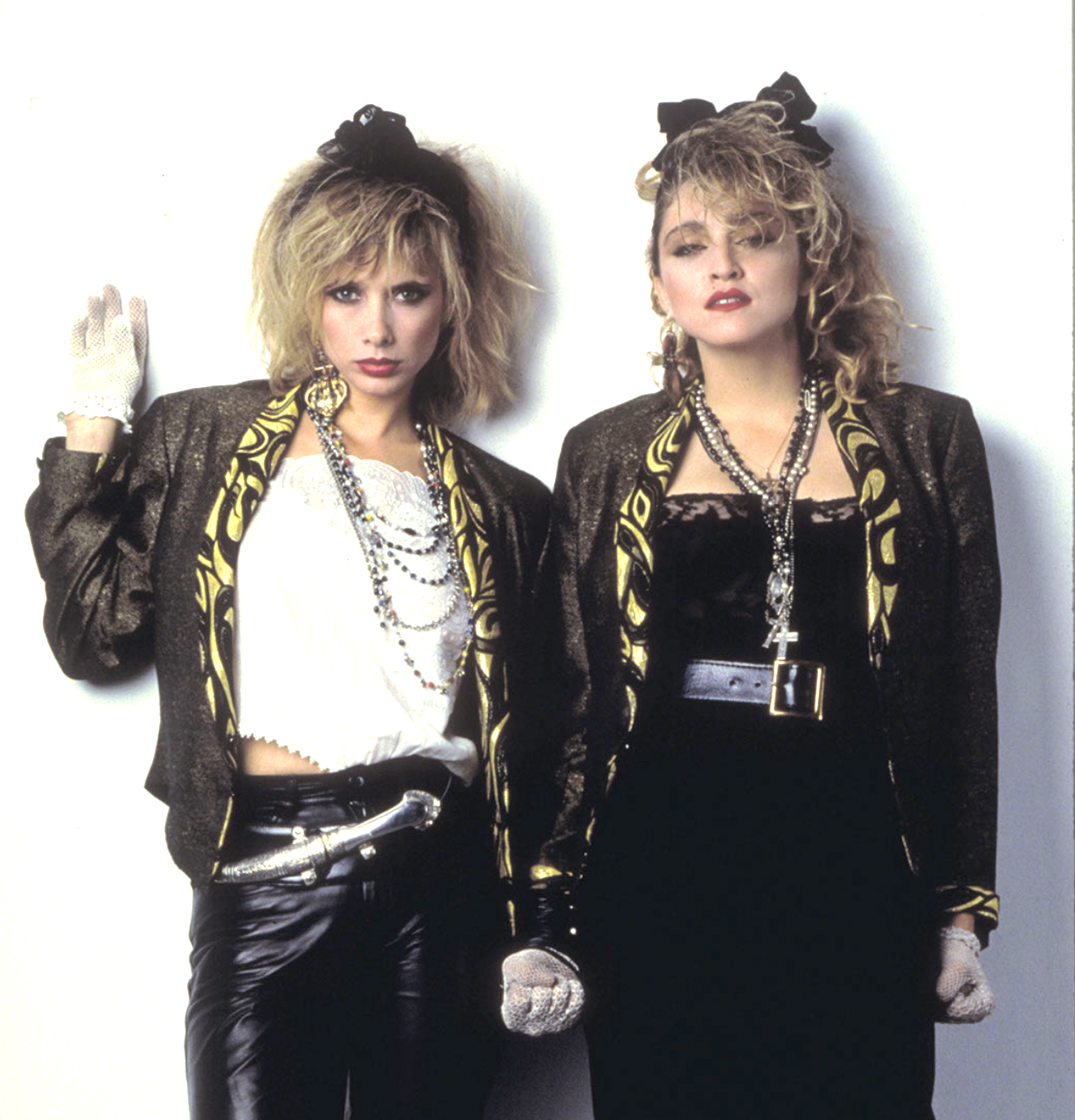
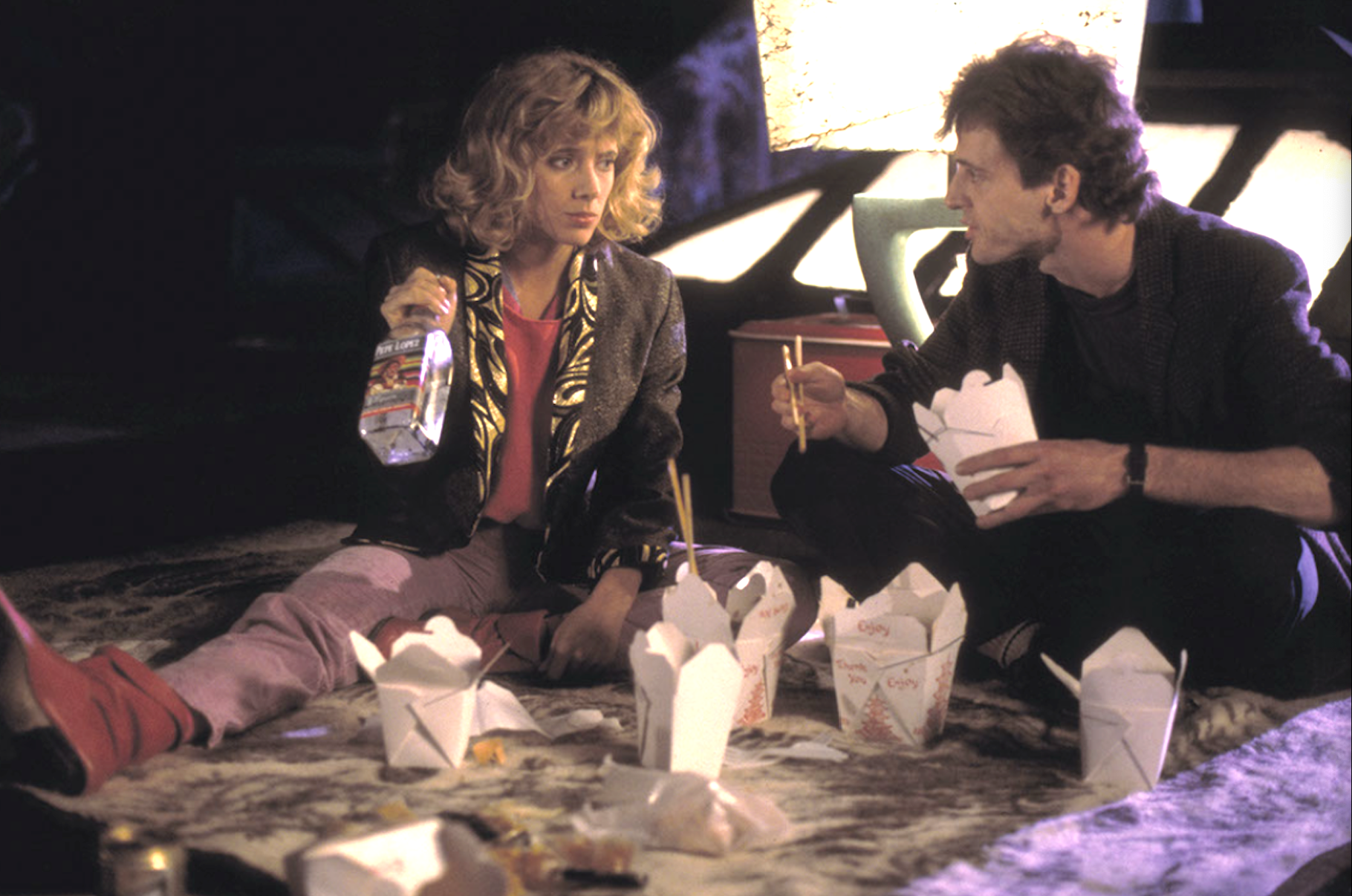
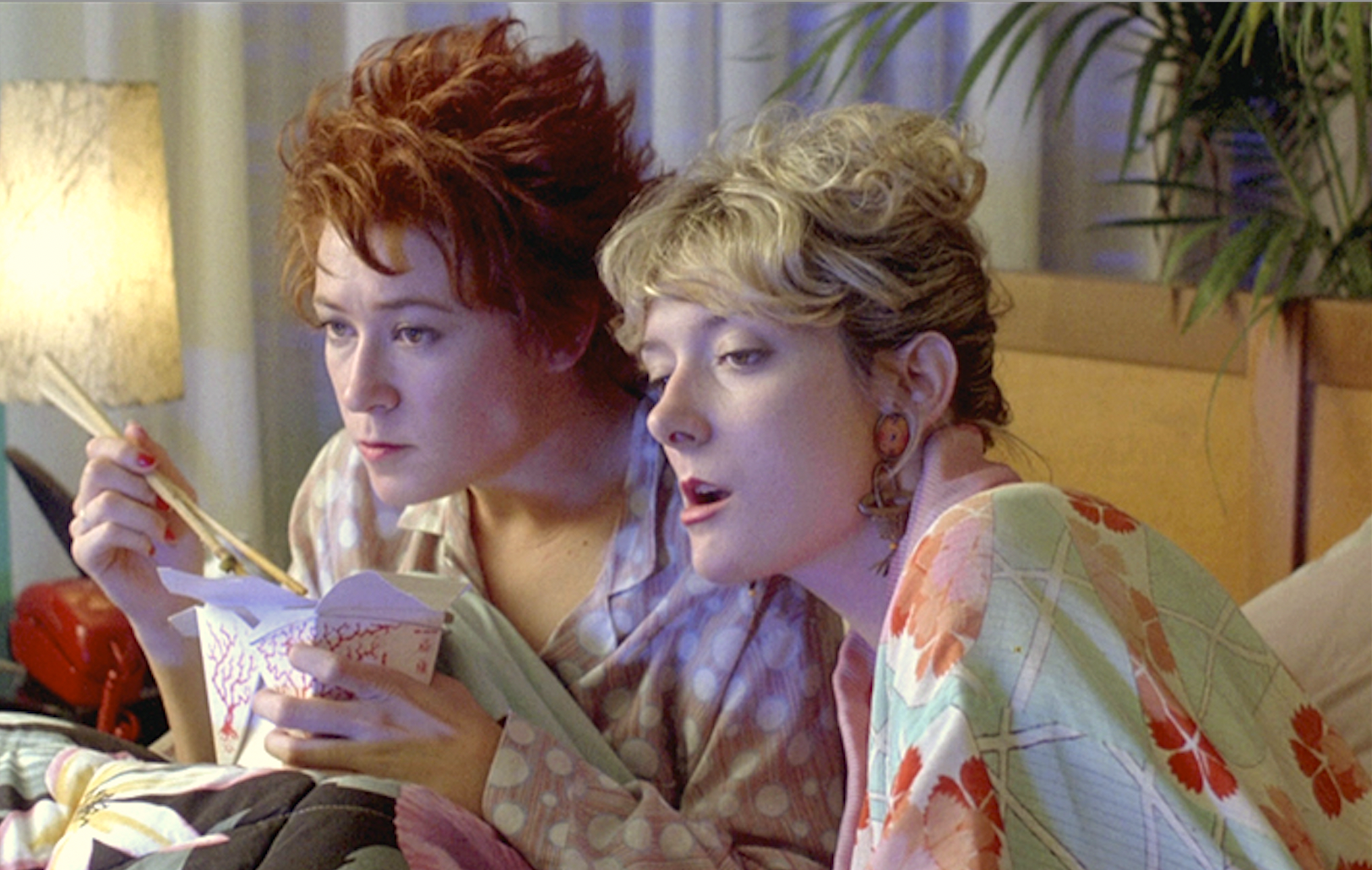
SUSAN: No. I mean, when you're making the movie, you're so busy making it, that you never know. And this was a little studio movie. It was kind of that right in the crossroads of indie and studio. But the studio wasn't paying that much attention to it at that time because it wasn't very expensive for a studio movie. Sometimes you work on something and you get a vibe that it's gonna be interesting, there's some buzz there that you feel. So I felt a little bit of that, especially as Madonna's career escalated over the nine weeks we were filming, like it was crazy! Every day it was sort of skyrocketing. But you still don't know if it’s going to be a movie that passes the test of time. But I remember the one moment that I thought, “Oh, this is an iconic moment” was when she's blow drying her armpits in the bathroom. Just something about that day was kind of crazy. I was fighting with Rosanna Arquette and filming this other moment that I knew was kind of a special moment, you know? But I don't know. I mean, can you tell how your movies or moments in your movies are going to resonate?
ALLISON: You really can't, can you? I remember on Gas Food Lodging, I used to do my own little test screenings with friends of each cut, with my own little questionnaires. So by the time that I showed the movie to Larry Estes, who had greenlit the movie for Columbia TriStar in the days of home video pre-financing, I had a stack of these responses to the movie. So he had asked me to cut out this one scene of this deaf mother dancing. And I said, “Listen, I've had to cut so much out of this movie that I'm not precious about any particular moment. But this is everybody's favorite scene.” I don't think that we ever really know which moments will resonate loudest to people—it's just stuff that happens, I think. And of course, it's never up to us to decide. It's the audience.
SUSAN: Yeah. It's interesting. I don't know if you saw it, but there was a Martin Short documentary on Netflix. Have you seen it?
ALLISON: No but I need to! What a life!
SUSAN: It’s a very good documentary. I liked Martin Short (Marty, Life Is Short), but I had never seen the other side to him that I saw in this documentary. And he said something very interesting: he talked about how 90% or 85% of his career has been failure. You know, you don't think about that because all we see are the successes and he talked about the importance of failure, of picking yourself back up and maybe changing things or reinventing yourself in some way, or yeah, just learning from it and not letting it destroy you. But most people in the creative arts, whatever music, film, state, whatever, don't realize the level of stuff one goes through, the level of trial and error, the level of failure before you make that thing that people know you for.
ALLISON: Yes! And there's so many things that don't even get to the level of failure. They're just the things that just disappear. Vanish. They're in your desk drawer, you know? And it's like, oh my God, what happened with that project? To the point that you're reluctant to ever tell people what you're working on till it sees the light of day, you know? And you're right. That failure does help you to change what you're doing. And you have to be allowed to fail.
I saw something recently on Instagram and this person was saying basically that artists have to be allowed to fail. You've got to be allowed to practice, to workshop stuff and that’s hard as a filmmaker. I remember John Taylor from Duran Duran asking, “How do you guys work on your chops? Because I can sit and play bass all day long and get better.” And I said, “We can't! Every time that we make a film, it's a go.” No woodshedding for us! So, Susan, how do you keep working on your chops?
SUSAN: I guess you keep finding different ways. When you can't get the budget to make a film, you try to maybe turn it into something else or take parts of it and use it in other ways. But it is frustrating because you can't really practice film directing. I mean, people say, well, take a little video and you can, with your cell phone, do this. But that's not the same thing. And there's a whole different dynamic when you're in this crazy world with all these people and actors that have opinions and producers who have opinions. And you're trying to navigate your way through without losing your overall vision.
I've made some successful things I'm still very proud of. And there are some I'm proud of and the critics weren't. And some that I know I didn't do the way I could have done them and was sorry that I got caught in just the politics or chaos or money issues. It hasn't been too many times, but there has been that film that I wish I had been able to make by stripping away all the bullshit and just making the kind of film I wanted to make.
ALLISON: That's the thing, isn't it? And when I look at your unbelievably beautiful career and your whole canon of films that you've done. It's all you. I mean, I see you in it. It's not anyone else's personality. It's really yours, you know, uniquely you. It doesn't matter if the script came from you or not, you bring that. And what do you think that is? Not everybody has that. There's a whole history in Hollywood of not leaving your mark and just being the journeyman.
SUSAN: Yeah, I don't get enough pleasure out of the technical aspect of filmmaking. So I think there are filmmakers who are just really good technicians. They really understand the lighting and the lenses and exactly where to put the camera. And they like the characters that tell the story, but they're not interested in the quirks or the outliers or the weird little twists and turns that for me are fascinating. But maybe it's also that I'm just not a good enough technician. But you learn along the way. We're all different.
ALLISON: Yeah, we're all different that way, right? But where we’re all the same is that directing is making choices. And our job is to really hold that vision and then to be able to communicate that to everybody else and create that trust. I was looking back at your wonderful book again, Susan, Desperately Seeking Something. My God, I love the title so much. And you said that your characters are always desperately seeking something and that drives these female characters… they know there's something out there for them. And you were talking about your short film at NYU…
SUSAN: And You Act Like One Too.
ALLISON: Yes! And I remember so well myself working with our film school buddies and working with our crews. And how did you take that experience in film school and then go into Smithereens?
SUSAN: Well, I think, again, when I went to NYU, it was pretty funky. It was not like Tisch (School of the Arts) is today. It was in the East Village in a borrowed space. In fact, we shared the building with the Fillmore East. So it was Seventh Street and Second Avenue. And literally it was the same building, just a different part of the building. Actually, the thing that interested me the most was editing, which is a great skill that you apply when you're writing the screenplay too, if you know how to edit stories. You can do it on celluloid or you do it on paper. But the technical, the lighting stuff…I kind of knew the tone that I was going for. But a lot of the kids back then, first of all, it was, you know, 35 of us: five women, 30 men. That was what film school was like in 1974.
ALLISON: Yep.
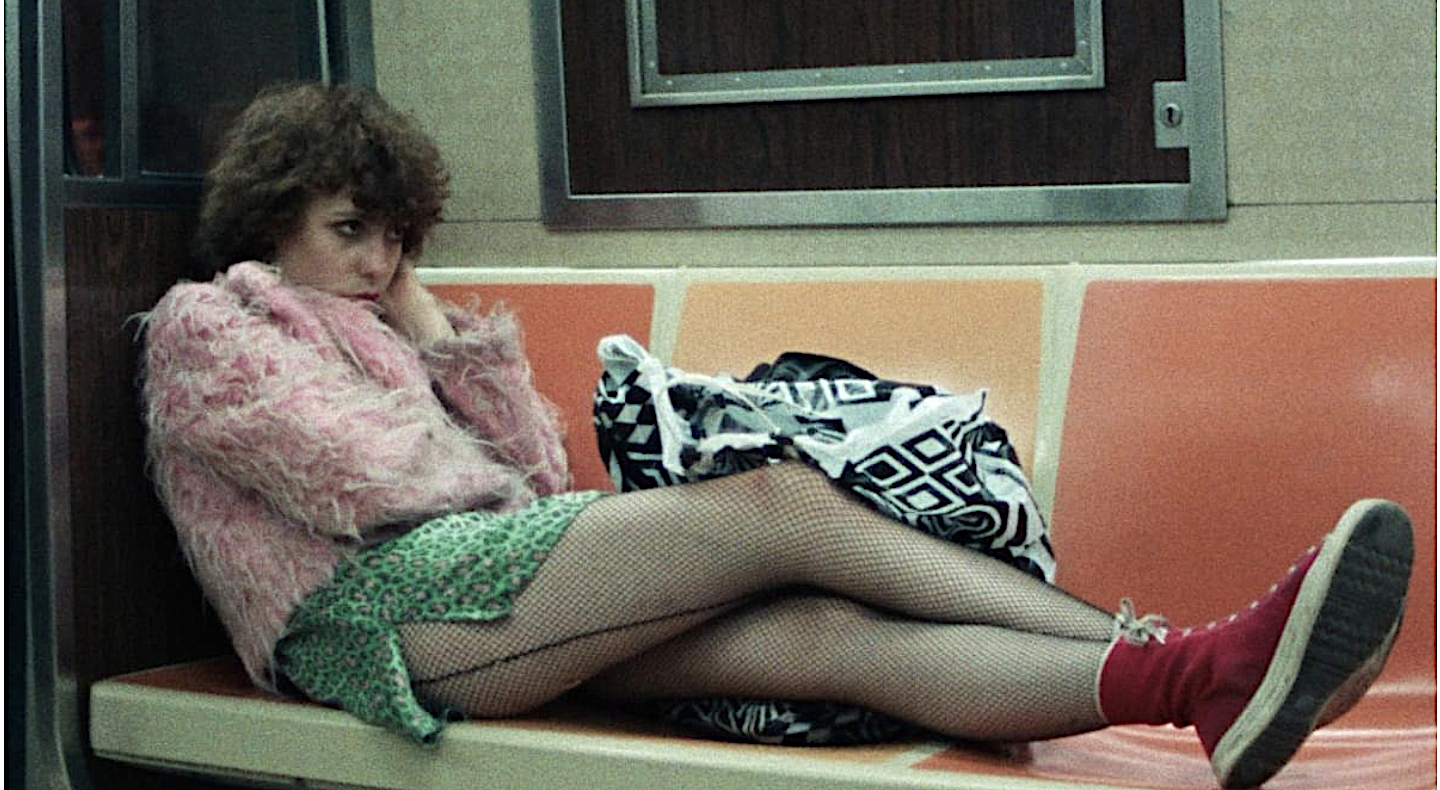
SUSAN: There weren't many people who were as interested as I was, and maybe some of the other women in the class, in the story. So, ultimately that's what a movie is about: the story. My student films started to get out into the world a little bit, into festivals. That one ended up getting a Student Academy Award nomination. Suddenly, the other classmates said, “Oh, I wanna be in her film next time.” And then after film school when I decided to try to make a low budget movie for no money, I went back to those same people. And they said they had trusted me in film school to come up with something that might have a life outside of school. And so Smithereens was basically an extension of the crew that I used in film school, borrowed film school cameras, and a lot of naivete. I mean, I didn't know I couldn't do it, so why not try to make a feature film? I didn't know you needed permits, so why get them?
ALLISON: Right! I was feeling that so much, rereading your book again—that ignorance is a bliss kind of thing. When I got accepted to UCLA film school this guy said to me, “Well, you're not gonna be a filmmaker. I mean, women don't become filmmakers.” And this was a guy trying to date me! I remembered it, but it didn't daunt me in the least. I was like, “Well, you're crazy. Of course I am.” Not realizing how hard it would be. Glad I didn’t know!
SUSAN: Yeah, I don't know about you, but I can put on blinders, which is sort of a good thing. I can also let a lot bounce off my back, which includes, you know, I'm sure there were some snarky things that were said on set—I'm sure on Desperately Seeking Susan. It was the first time I was working with a union crew and there I came on. I was young at the time. I'm little. I look nothing like what a typical film director would have looked like back then. And I'm sure there were comments from the crew guys, but again, with the blinders. And maybe coming from a household that had a lot of commotion all the time I learned how to kind of let a lot of it just roll off my back and not worry about it. But I think that was a good skill for any film director.
ALLISON: Absolutely. I think that it's interesting too. I remember reading an article in the LA Times in the ‘80s when I was still in film school talking about Joyce Chopra and Martha Coolidge and someone else in our fore-mothers generation, and how crews were finding it hard to adjust to this quiet authority on set and understanding that these women were in charge. And that they were just as capable leaders on set as the guy who was yelling at them on the last film they worked on. I read too how Ida Lupino in the ‘50s on the first few films she directed would arrive on set and play the movie star, she’d sit in her star chair, in make-up and jewels and go, “Darling would you mind moving that light over there?”
In this way they didn’t feel bossed around, but were eager to please her. It was very calculated—her way of having authority. And isn’t it wild to think of all we navigated to where we are now? I mean young people today have no problem accepting a woman director’s authority.
SUSAN: I noticed it too. You've taught at film schools, right? I noticed it at NYU when I came back as an adjunct—that my class was probably like 51% women and the dynamic had totally shifted and there was no real issue. I mean, that's the great thing about this younger generation, I must say. And now even a younger generation. But also, I do think that for me, having a little bit of that tension, which is sort of what my films are about too. Coming out of ‘70s feminism and growing up in that world, (it was) the first time my eyes were really open to a lot of stuff. A little bit of that tension gave me something to use.
ALLISON: Yeah! Because I think that as an artist in general, you have to understand that you do it no matter what. You keep your vision and you have no choice but to make stuff because you've got to tell stories. And you can aim for an audience, but that’s not really in your control.
SUSAN: That's been interesting. Maybe you feel the same way watching your movies or a movie with a group of people who weren't born (when they were made) and their mothers might not have even been born when you were making the movie… just seeing how they respond. That's been very satisfying—doing a book and film combo tour. And you’ll do the same when your book comes out.
ALLISON: Yes! Tell me about the Desperately Seeking Susan 40th anniversary tour!
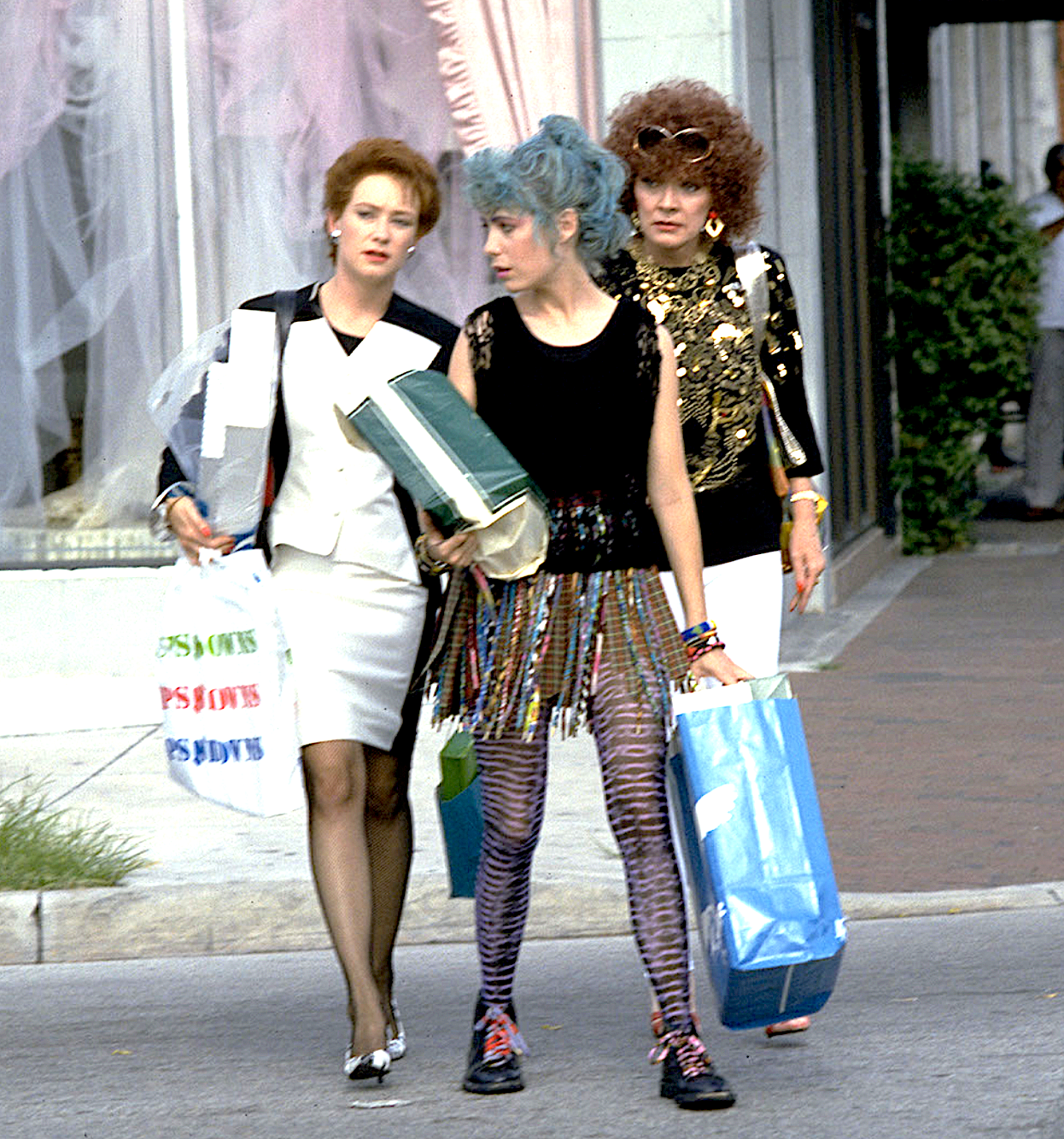
SUSAN: It was amazing. And for me, what was also amazing is that when the book first came out, I was just doing the tour in the United States—mostly on the East Coast and a trip out to California. But about nine months later, I started getting invited to Europe. And showing the film again in France—they love movies! It was actually just wonderful sitting in some of the audiences where there was a grandmother, a mother and a granddaughter, and in some cases a grandson, too all watching the movie and hearing the response and realizing you made something that has a theme that was relatable and yet it's culturally specific. The fashions are so specific, but the theme is universal and to some extent, timeless. The idea of what needs to be a more interesting version or a braver version of yourself or a reinvention.
ALLISON: Absolutely. It's interesting when you said reinvention, because of course, Madonna—at that point—had only invented one version of herself. And then she became the queen of reinventions. But as you and I know, this was way beyond some celebrity makeover. She was actually taking on every archetype of female power and using it, which is so interesting. And I wonder if somewhere that didn't even creep into her brain consciously because we know that Madonna hears everything, takes all that information in, and she uses it in this empowered way.
SUSAN: Yeah, that is what is so clever about her—she's a cultural sponge, but she's there in the beginning of it. So she can take those things before they're mainstream and mix them up in a way that makes them relatable to a much wider audience than the original audience. And claim it because she has kind of twisted it her way.
ALLISON: Exactly! Desperately Seeking Susan, came out in ‘84?
SUSAN: It was shot in ‘84, came out ‘85, and Smithereens was shot in ‘80/’81, came out in '82.
ALLISON: I saw Smithereens probably at the Nuart cause I was living on the west side of LA at the time because I was in film school at UCLA. And when we were about to start shooting Border Radio, I knew that you had cast musicians in Smithereens—that was my suggestion to my co-directors. We cast from our local punk scene, too. So it really inspired me knowing that for Smithereens you had cast Richard Hell.
SUSAN: Yeah, well after choosing the right script for you to make, the second most important thing is the casting. I mean that is crucial. Sometimes that's why a movie also can flop because it has the wrong person in the lead, you know? And that has a lot to do with instinct, doesn't it? Just having an instinct for who might be right, whether they're a musician or a non-professional altogether, or whether they're a professional actor, you know?
ALLISON: 100%.
SUSAN: But it is instinct.
ALLISON: And I feel like a little mix is always good; a non-actor or a musician with an actor. It was kind of amazing to watch Rosanna (Arquette) turn John Taylor from Duran Duran into an actor in our film Sugartown. During a rehearsal they were reading the lines and then she got him up on his feet, without him even thinking about it. Then she started walking around and he started following after her, walking around her. It was amazing.
SUSAN: And she's a funny hybrid because she is also a music person. I mean, a lot of her references and a lot of her personal life has been connected to music.
ALLISON: Absolutely. They just had this chemistry… I watched it evolve. He gave her a little bit of play and she gave him some chops. I love that mix.
SUSAN: I like people who intrigue me and in a way, that's what it's about. Going way back to even Smithereens, Susan Berman, something about her intrigued me. Same with Richard Hell, same with Madonna quite frankly. I didn't cast Rosanna. I think she's wonderful in the movie and we've since become good friends. I guess after Desperately Seeking Susan was a surprise hit—it certainly was a surprise to the studio—they thought, “Oh, okay, well let's trust her and we won't interfere too much in the casting.”
I liked Ann (Magnuson). I knew her, not super well, but we ran in sort of intersecting circles. We were both living downtown. She was this performance artist that I thought was really interesting. And I loved what she did with that little character thing—the cigarette girl in Desperately Seeking Susan. She improvised a lot of stuff. Some of the lines are throwaway lines, “Cigars, cigarettes, Tofutti”, you don't have to pay attention to it, but it's there. When I had the opportunity to make Making Mr. Right, there were a lot of ways I could have gone with it, because I remember some of the people that were interested in that I auditioned at the time. It would have been a very different movie and it might have been a more commercially successful movie. At the time, Robin Williams sort of wanted to do the (John) Malkovich role. And I thought, “He's a great actor, but it might be a little bit too Mork And Mindy-ish. “ So I went in another direction. I remember Julia Louis-Dreyfus came in at one point for what became the Ann Magnuson role. Christine Lahti was high up on the list and she was...
ALLISON: She was big at the time, yes.
SUSAN: She was big at the time and a wonderful—way more experienced actress. But there was something, I don't know—it's the quirk in me that I can't control it.
ALLISON: I love it. And you're so right that you got to trust your instincts on that. I love all of those actors, but I can't imagine anyone in those roles but Ann and John. I mean, it's just fantastic.
SUSAN: Well I knew I was working in a genre like comedy/sci-fi, that I just didn't want it to be just one of those. I thought that a different kind of casting would take it out of that. I knew what I wanted it not to be and I also knew what I wanted it to be. So the casting could put a kind of twist on it. Had it been strictly comedic, it wouldn't have the same feeling for me.
When it came out, it wasn't commercially successful. Some critics really liked it, others not. In some ways, I was ready to move on to the next thing because I felt like certainly the studio thought it was a flop. And so for years, I didn't see it. It played on TV a little bit. It had a life on video, but I didn't see it.
Then I was invited to a screening about three years ago at the Metrograph. There was one later in LA, but at the Metrograph I saw it with an audience. They were mostly younger. I would say the average age was probably 40-ish. The world had changed so much and they were looking at the film in a very different way. I sat through the movie because I had forgotten so much of it, actually really enjoying it—really forgetting it was my movie and just laughing at stuff, laughing at the performances, looking at the costumes in a different way. And I realized that timing is huge. Now it’s just sort of the zeitgeist. It seems so much more contemporary and original now than back then. With totally different eyes. I don't know if you've had that experience with anything you've done, just seeing it differently over time.
ALLISON: Yeah, I think that that's it, isn't it? It gets back to this thing—we can't control how audiences are going to receive something or, God knows, how critics are going to receive it. We can make a film at a time when not everyone's ready to absorb it. And you can be ahead of your time and out of sync with the moment. But then later, maybe it means so much more. And people have a totally different relationship to it than the people who saw it before.
SUSAN: Yeah, definitely. Did you have that experience? Is there one of your films that you watched after many years and you thought, “I stand by it”?
ALLISON: Yeah, actually Four Rooms. Originally we were just going to make that movie to woodshed. It was just going to be a simple little, ‘let's try some shit and then we can all participate, and it'll be fun. “ And then it became something entirely different. But it bombed, and like you, I didn't want to go back and revisit that misery. But I saw it a few years ago on TV and I was like, “This is really fun, there's a lot of fun stuff here!” And I was like, “I can abide by this. It's not my fault that you wanted something different from us.”
We set out to make this as friends and we struggled with tremendous interference from Miramax. And you know, very much like what happened with Madonna on Desperately Seeking Susan, Quentin's (Tarantino) career blew up. In the course of 30 days he won the Cannes Film Festival with Pulp Fiction. It was just like an explosion had happened.
SUSAN: To the point, you were working with Madonna, right?
ALLISON: That's right, yeah. Which was an amazing experience, I have to say.
SUSAN: What period of Madonna? Which Madonna, I should say?
ALLISON: So it was after “Vogue”. She had just done that wonderful single, “Secret”, which I love so much. She had done her Sex book already. She had been on a really long tour by the time that she came to work with me and she was exhausted. But all those actors work for scale, including Madonna. She said, “I'm going to get my own makeup artist. You've got six girls you have to get ready every day. And I'm the oldest one. And I'm tired. I've been on the road for a year and a half. I need some extra help here”. And she said, “I'll pay for him myself. And I can share him—he can get some of your other girls ready too.”
So my wonderful makeup artist, I'm sure she had some hurt feelings about it, but it ended up being a great gift.
SUSAN: Did you like working with her personally?
ALLISON: She was very intimidating, I have to say, because by now she was the most famous woman in the world—definitely at that moment. She was really intimidating. And the other problem I realized now is that the music business had made her very mistrusting and very shrewd. It's hard when your actor doesn't trust you. It's very tough. Sometimes we’d do a take and I'd say, ”that was great”. And she'd just do like a jerkoff motion like I was just kissing her ass, you know? But in the end… I have so many great stories just from her in Four Rooms. I feel like I learned a shit ton from her. And I thought that she did a really great job and I'm pleased with everything that she did. I definitely had some intense moments with her, you know, but no regrets at all. I've gone through plenty of crap with a few actors since that has given me a whole lot less. I respect her enormously. What was she like for you? There's a quality where she's a bit of a brat, but for your film, it's so perfect!
SUSAN: I totally had no problem. She was great, but she really wanted this. It was the right role for her. I didn't have to put up with any of the ego. I mean, she has an ego just naturally, we all do that. She was a pleasure to work with. It was, you know, my issue was with Rosanna and that was based on insecurity and just the craziness of Madonna's trajectory at the time when Rosanna was supposed to be the star. That obviously had an impact on me and her feeling defensive at times and that kind of stuff. But Madonna was easy and a good collaborator.
ALLISON: That's what I found too. But I also felt like on that film—and I don't know if you felt this in terms of working with your male actors—sometimes I felt like I was spending so much of my time focused on the girls that I was neglecting Tim Roth. I often feel like, “Ooh, maybe I'm not giving my male actors the kind of attention I'm giving to my actresses.” What do you think?
SUSAN: Well, in most of my films, it is the female, you know? They're often about the female actors, except Making Mr. Right wasn't. I actually had a very good relationship with John Malkovich. I think part of it was, again, that idea of I like working with somebody—either somebody new or somebody that's established—in a new way. He was this very serious theater director. That's what his background was—theater, you know, The Steppenwolf. He had done one other movie before Making Mr. Right. It was called Places in the Heart and he had won an Oscar nomination for best supporting actor. It was kind of a serious role—no one thought of him as a funny, leading man; that's a robot! So it was something different. And I think he got off on sort of having the opportunity to go down the new path. I loved working with him in that way.
ALLISON: That's fantastic.
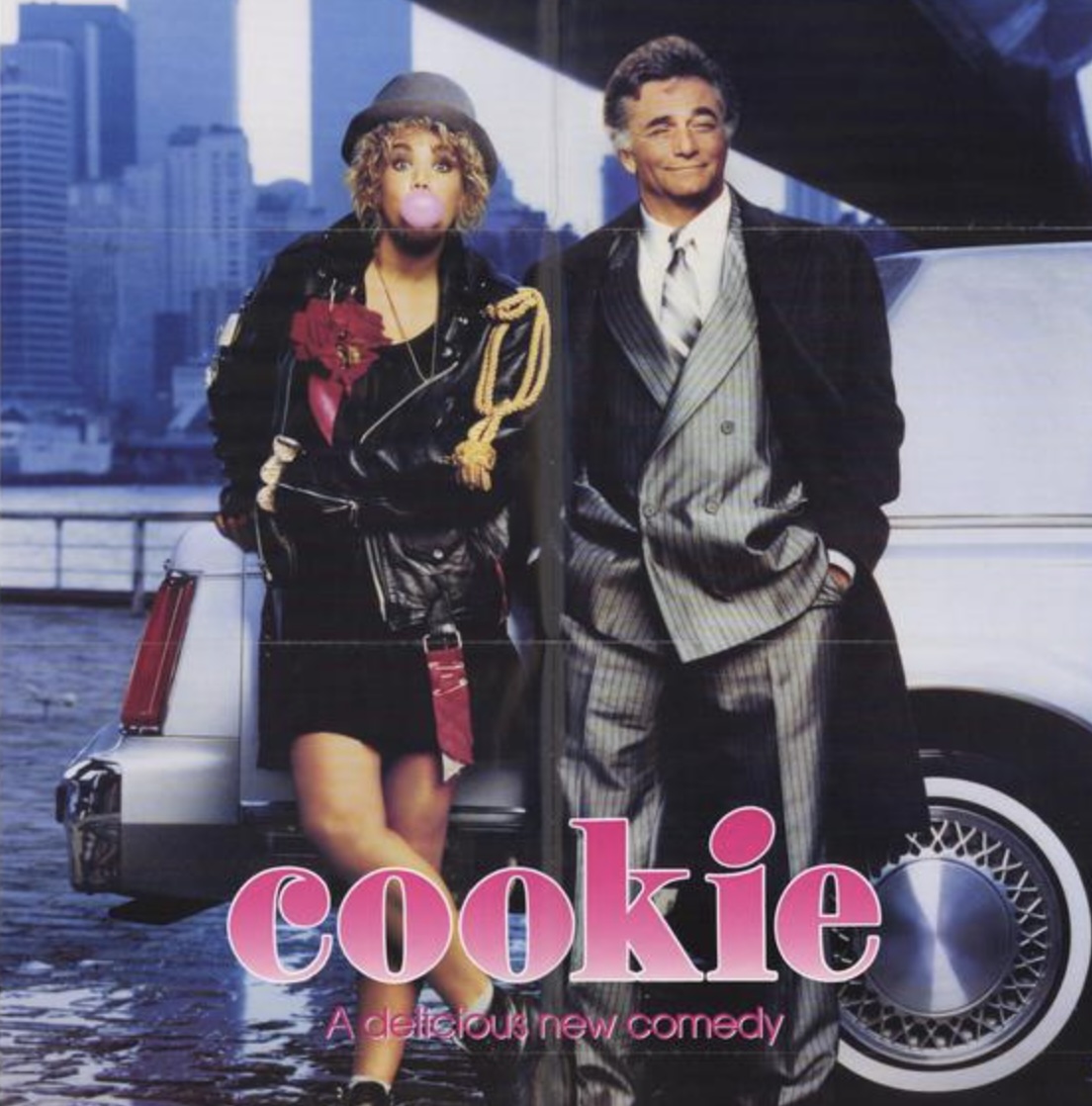
SUSAN: He was great. And there was the sort of more macho film that I made. I think that has parts of me and the female characters, but it doesn't feel as much like my thing. It was a mafia movie called Cookie which kind of got lost in the shuffle a bit because it was produced by Lorimar. Was it Lorimar? I think it was Lorimar. No, I'm blanking on the company. And they went under and then it was taken over by Warner. So it was like an orphan. But it was also a mafia comedy with Peter Falk and who else? Jerry Lewis! I guess I didn't feel totally comfortable in that territory.
I mean, I could direct it technically. I knew how to block scenes and I knew what a good take was versus a not good take. But could I kind of put my own spin on it in a way better than Scorsese could or all the other guys who could do those movies so well? Not really. The main character and the title character was the daughter of the mobster. I think that I could have cast that sort of differently if I were to cast it again today. It was Emily Lloyd, who was just coming off this movie called Wish You Were Here, which she was fantastic in. But she was playing a kind of quirky British rebellious girl. And this was an Italian mafia princess. It was trying to overlay one thing on top of another thing.
ALLISON: Yeah, because she moved here, right? I think she moved to the United States and was really trying to make a go of doing American parts. There was something so authentic that she tapped into in Wish You Were Here.
SUSAN: That was her kind of quirky Britishness. That was really her thing. Because even when she did period pieces that were British, it didn't really bring out that thing in her that we loved.
ALLISON: I find that—especially now—these young artists don't get a chance to find themselves and grow. Again, they need to have a chance to fail and they also need a chance to develop. For all the things the old studio system did wrong—they got rid of us women directors and they didn't allow anybody else except white people to participate—they really knew how to develop talent. The actors had time to grow into that path to stardom. And they kind of rolled you out in different things, “Well, now you've got this supporting role. Let's see if you can make it as a lead.”
Nowadays, after the first glimmer of promise, they're suddenly a star and they look like they're deer in headlights as they're nominated for things. Then they’re inaccessible to interesting projects which might force them to stretch. And just as quickly as we were excited, we’re sick of them.
SUSAN: Well, the world is so different now. In a sense, I agree with you. There were many bad things about the studio system. Many. But there were also many good things. One of the other good things is I think that they really liked movies. People who were part of the studio system—even if they were crass and crude and creepy in many ways—they liked movies.
ALLISON: Yes! They liked movies and they needed stories. They wanted people to, not just go to the movie theater, but they wanted them to be happy with the story when they left. I think that, unfortunately, these streamers, not only do they not care, but they also don't think of movies as stories. They think of them in terms of content. Content that they can just divide into snippets of other things later.
SUSAN: I have no idea who at Apple or even Netflix… who those big decision makers are or if they're just techie people. I get the sense it's like tech people or marketing people. It's a very, very different environment.
ALLISON: Very different than how this all began. Now, let me just ask you since we're on the subject of the changing times, do you feel when you look back on our lives in cinema that the digital age really changed everything in terms of what we could make? Or was it TV that changed things?
SUSAN: Well, I definitely think that once it became digital and streaming and all that, the culture changed—the way we watch films changed. And also, I don't know when movie theaters started collapsing, but people stopped going to the movies. That changed things. Because It's not that kind of culture where you go together and you see something magical up on a big screen. Even if you hated it, it was still kind of magical because it was so big. Now it's like fodder. We need stuff to just kind of throw on. COVID changed everything, but it was changing before that too. I remember around 2015/16 when I was teaching, I would get into class and sometimes before it started, I'd listen in on what they (students) were talking about; what movies, what books, music. I realized that my students were talking in some ways more about the TV shows they were watching than the movies. I remember distinctly, it was around the time of Breaking Bad. That was what they were talking about, and certainly Sex and The City had that. Girls had just started and my students were all living in Brooklyn and all around that age. When I was in film school and even after, I remember there were certain TV events that were big deals, but film people still talked about films.
ALLISON: Absolutely right. Now it's almost like a niche kind of a thing to go to a movie theater to see a film. My son was in town and insisted that we go see Project Hail Mary together at a movie theater. So we walk in and it's cavernous and empty. Someone yells from the back, almost in echo, “Welcome.” I mean, granted, this movie had already had a big run and it was a big success with movie audiences, but the shock of an empty theater is always a bummer. Still, once we got in our seats and settled in I was ready for that magic you spoke of Susan. And I loved it so much. It was just so big and enveloping. Once I got the cotton out of my ears for all the ads, the sound was beautiful. And it was just this transformative experience—just like when we first saw movies, you know? So, hey, what was your first movie?
SUSAN: Oh gosh, the one that sticks in my mind was The Parent Trap with Hayley Mills. So good. It was Desperately Seeking Susan for back then, actually. Double and twins and mistaken identities.
ALLISON: What a perfect first film memory for you!
SUSAN: Let me ask you something about a film that you did. I had once wanted to do a film about the Brill Building. I actually met with somebody, right after I did Smithereens. I wanted to do something about that world. I worked on a script for a while, and I even had a development deal with Scott Rudin. The script was okay. It didn't go anywhere, but that world was so fascinating to me. I remember interviewing a guy, maybe you know who he is—he's not around anymore—named Shadow Morton.
ALLISON: Oh my God, yes! I even reference him in Grace of My Heart because I couldn't find him at the time that I did the movie. He found me later on Facebook and said, “Thank you for the nod”. He was living on a boat! Shadow Morton had produced my idol, Mary Weiss and the Shangri-Las.
SUSAN: My idols too! Because they were good bad girls. The project I tried to get going was called “Ozone” because they were from Ozone Park, which is a part of Queens, I believe. But it never came together, but that's so fascinating!
ALLISON: So this was like a script about the Shangri-Las?
SUSAN: It was about a bunch of girls based on the Shangri-Las that form a band. I haven't read the script in a while, so I don't remember what the plot was, but I remember meeting with Shadow Morton. And at the time I met him when I was in LA, he had a patch on his eye, so he looked like a pirate!
ALLISON: He was a good looking guy too, wasn't he?
SUSAN: I don't remember. I just remember the eye patch, but pirates can be pretty sexy, so maybe. But that's fascinating. I remember seeing and enjoying your film. I'd like to see it again. I haven't seen it in many years, but I was kind of curious because I so related to that world as a kid growing up and those kinds of characters.
ALLISON: Here's the crazy thing—when I was in film school, I wanted to do a short film about the Shangri-Las. And then I realized, “Oh, I can't do this with my resources here right now”. It felt like a bigger movie. So I set that idea aside. There was a book that came out at the same time called The Girl Group Sound by Alan Betrock. It had all these pictures, not only a great one of the Shangri-Las, and he had all these great pictures of the songwriting teams of Carole King and Gerry Goffin, and then Cynthia Weil and Barry Mann… Ellie Greenwich and Jeff Barry. They were really elegant and attractive. I mean, it was just kind of amazing, this book. When this opportunity came around with Ileana Douglas and Martin Scorsese, I was like, “I have this Brill Building idea.” Marty was so excited about that because he had also tried to do a Brill Building project and he said I couldn't crack it. So it's funny that the three of us all had this passion for that period. And it really doesn't surprise me at all that we have that Shang's connection.
SUSAN: Well, think about it, it was also because of their songs—the women singers were so powerful back then. I mean, they didn't get the money because the money never filtered down. But there was the perception that they were a powerful influence. Women were hidden in the art world, female painters and sculptors, forget about it, except for a rare few. And certainly women weren't there in the early ‘60s, mid ‘60s in the movie business, but they were so present in music.
ALLISON: So present. And with the Shangri-Las, what was so fascinating was that, even though it was a dude Jeff Barry writing those inner monologues, Mary Weiss was telling us the story about teenage angst in a female interior space. It was like a voice-over narration of a girl’s private thoughts. And they had the great look and the great clothes. And it's funny because later I met Mary Weiss and she was talking about how that image was just so crafted. She said, “We actually weren't like these bad, tough girls. We were kids.”
She said but because they were working class girls, and they might have appeared tough to Ellie Greenwich and Jeff Barry. But, Mary said, they got toughened very quickly by the music business. So by the time you and I saw them on Shindig! it was real.
SUSAN: Yeah! Then they changed, and their music changed. I guess culture changed. I don't know if there was in-fighting within that group, but they just disappeared. And I think it was really that change that happened when everything went West Coast and left the Brill Building and everybody wrote their own songs. Then of course, we got the singer-songwriter female voices, which were really powerful. And they were actually writing their own stuff then, which was on both coasts.
ALLISON: Like us: East Coast/West Coast! Thank you Susan! Every time that we talk, I’m reminded, we are so kindred.
SUSAN: And from such different backgrounds. But it shows you. That's what it's about, right? Art, stories, music, flow, brings people together.