




No items found.



Interview and Imagery by Lesa Amoore
On illusion, empathy, charm, consciousness, power, identity, and the emotional architecture of modern life.
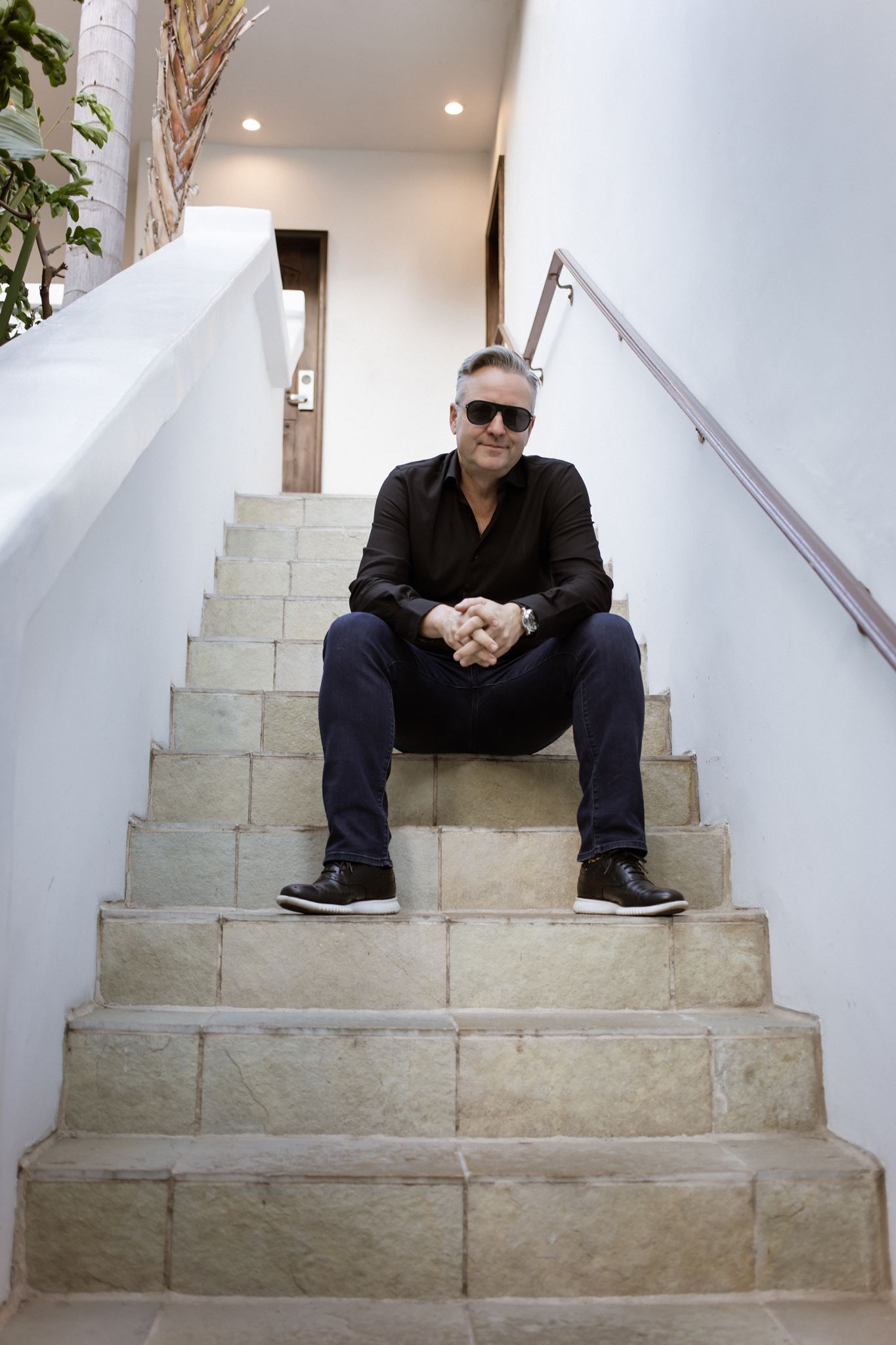
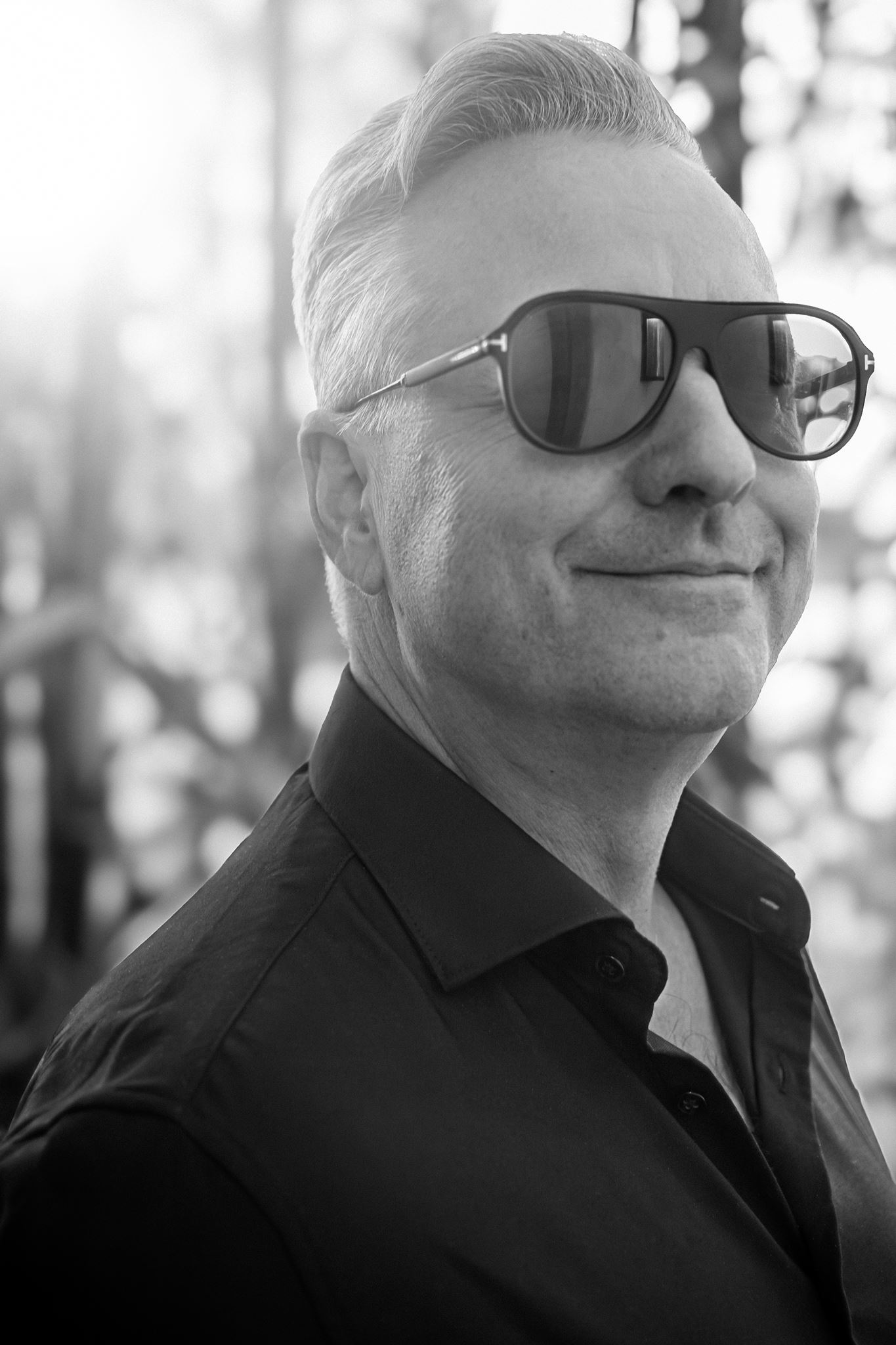
I have known Scott Altomare for many years, though not in the traditional Hollywood sense. What I remember most are conversations—the kind that begin casually and somehow end three hours later somewhere between psychology, consciousness, relationships, power, music, human behavior, and why people become who they become.
I recently attended an advance screening of The Narcissist’s Playbook: Empathy Not Included, and what I saw was how immediate the subject felt in the room. Narcissism is no longer a niche psychological topic. It has become part of how people understand relationships, power, family, work, culture, and survival. Before the documentary had even begun, people were already lining up to speak with Dr. Ramani Durvasula—one of the film’s central voices—about the narcissists in their own lives.
A decade and a half after those earlier conversations with Scott, I found myself looking back across the progression of his work, from What the Bleep Do We Know!? to Ghetto Physics and now The Narcissist’s Playbook and realizing that the same questions had quietly followed him all along.
Consciousness.
Identity.
Power.
Manipulation.
Belief.
Empathy.
The hidden emotional architecture beneath human behavior.
What interested me most was not the documentary itself, but the search beneath it—the kinds of questions a person circles around over decades, consciously or unconsciously, through art, relationships, ambition, fatherhood, creativity, and observation.
So after all these years, I was happy to sit down with my friend Scott again for lunch. Not just to talk about the film...
... but about his lifelong search for answers that continued alongside it.
PART ONE
The Masks We Wear
1a: The Question Beneath The Films
Lesa Amoore
Looking back across your body of work, from What the Bleep Do We Know!? to Ghetto Physics and now your current documentary The Narcissist’s Playbook: Empathy Not Included, it seems you’ve spent your career circling the same invisible questions: consciousness, identity, power, manipulation, belief, empathy, and human behavior.
The Narcissist’s Playbook took five years to make, but you’ve told me your fascination with these patterns goes back much further. When did you first realize there was a why behind what you’d experienced growing up?
Scott
Around 2007 is when I really started to figure things out. That’s when I read Snakes in Suits. I started realizing there was a why to my situation growing up. I think the issue is people don’t understand the why. They think it’s either them, or there’s something they can fix. Then you start seeing the pattern and think, “Oh my God… it’s the same in this person as it is in that person… as it is in that other person.”
Amoore
I remember Snakes in Suits. I remember when you first read it. Growing up, I always felt it was me who wasn’t enough because I repeatedly encountered very narcissistic men.
Scott
One of the biggest things I learned is that you don’t necessarily have to be a narcissist, but you can use narcissistic strategies. That’s the big differential. People who aren’t very narcissistic may have been brought up by a narcissist and adopted those strategies by osmosis. When you are what you eat… you are your environment.
Amoore
There’s a spectrum. I also wonder whether not having a sense of community plays a role.
Scott
I think there’s a little bit of that. Again, I’m not a psychologist, but I think there are two factors that push someone further onto the spectrum. We need narcissism to be healthy. But when you have childhood trauma and a brain chemistry that’s open to it—and it usually takes more than one thing happening at once—a lot of the people who are really high on that spectrum have experienced some very bad trauma.
Amoore
So, after spending five years studying narcissism, manipulation, empathy, and human behavior, how do you feel about people? [laughs]
Scott
People are both more wounded and more beautiful than I realized before. Before making the film, I tended to take behavior at face value. Now I’ve come to believe the most destructive behavior is rooted in pain, shame, fear, insecurity, and unhealed trauma. That doesn’t excuse abuse, but it changes how you see it.
Most people aren’t monsters.
Most people are trying to survive emotionally.
The problem is that survival strategies developed in childhood often become destructive in adulthood. The narcissist isn’t necessarily trying to destroy someone. They’re trying to avoid confronting themselves. Yet everyone around them pays the price. It’s the one condition where everyone else feels the effects except the person who has it. The narcissist is the only one living on their own private island.
Amoore
That’s actually an amazing revelation. Everybody else feels their pain. So, would you say people aren’t necessarily better or worse… just far more complicated?
Scott
Look, we all want connection. That’s really what we want. Everywhere we went, when people learned we were making a film about narcissism, they’d immediately say, “You need to talk to my Uncle Tony,” or, “You need to talk to this person.”
People wanted to talk about it because they wanted validation.
1b: Looking in the Mirror
Amoore
Your current documentary, The Narcissist’s Playbook: Empathy Not Included, opens by exploring a culture that increasingly rewards image management, self-branding, projection, and constant visibility. But the documentary itself explores something much deeper.
Where do you think the line between healthy self-regard and unhealthy narcissism ends? And while making the film, did you begin catching any of those tendencies in yourself?
Scott
I think the best place to start is this: if you grow up in an environment where narcissism is prevalent—where you are what you eat—you absorb those strategies. Just because you use narcissistic strategies doesn’t make you a narcissist.
Maybe as a child you had that little feeling in your stomach telling you something wasn’t right, but you also saw an adult you admired using those same strategies. So you absorb them. A lot of generational narcissism works that way. These behaviors get passed down from one generation to the next, and people don’t even realize they’re using them.
For me, making this film was the hardest thing I’ve ever produced. You aren’t just confronting the personal ego and narcissism we all have—you spend years looking at it so closely that eventually you start turning the lens on yourself. You start thinking, “Oh wait… am I being narcissistic here? Is this a strategy I was raised with? Is this one of the strategies that eroded me to my core?” It was all very humbling.
I catch myself using those strategies where it’s like, “Oh wait a second… that’s not the right step.” Or if it is gaslighting… well, I become horrified with myself.
That’s the difference between just taking a step back and when you first see there’s a pattern to narcissism. You feel like you’ve cured cancer! I was thinking, “Oh my God… now I have the why. Now I can see this… and this… and this.”
Then you also want to go out and be like, “Oh my God… honey, you’re being a little narcissist… love you!” [both laugh]
But there are people out there—a lot of people—who like the way they are. They don’t want to change.
Amoore
Sure. Their strategies work for them. Maybe they make them a lot of money. It takes a great deal of courage and growth to change course.
Talking about the tendencies you caught in yourself and I catch them in myself too, so you’re not alone in that. What disturbed you more while making this film? The narcissists themselves, the systems protecting them, or how easily even intelligent people—including those studying these dynamics—can get pulled into them without recognizing it?
Scott
The biggest surprise wasn’t actually the narcissists. It was seeing how intelligent, successful, educated people got caught in their orbit.
Victims often blame themselves, but manipulation isn’t a sign of weakness. It’s often a sign of trust. People who care deeply can be particularly vulnerable because they assume other people operate from similar motives. They think, “Why would I believe you’re manipulating me?”
There are so many genuinely good people who meet someone they believe is just like them because they’re being mirrored. Meanwhile, the other person is four chess moves ahead.
Amoore
I absolutely agree. It’s often difficult to watch someone being manipulated and wonder why they couldn’t see it.
Is that why people stay so long with narcissists? Beyond financial ties or practical reasons?
Scott
Psychologically, manipulation happens so slowly that people don’t recognize it. We imagine abuse as something obvious—black and white.
In reality, it’s incremental. A boundary gets crossed here. A compromise gets made there. A rationalization follows. By the time someone realizes what’s happening, they’re emotionally invested. The abuse has already begun.
That’s certainly part of why people stay. But often they stay because they bought into the original picture the narcissist painted. The narcissist creates this beautiful future together, and the other person spends years trying to get back to that first feeling:
“My soul connected with yours.”
“I finally found the perfect person.”
“This person thinks exactly like me.”
Amoore
And that’s mirroring?
Scott
Exactly. They’re mirroring you. Then, little by little, they reshape that mirror into what they want. Eventually you’ve lost part of yourself without realizing it.
It’s the frog in the pot. You don’t notice the water getting hotter until it’s too late.
1c: The Seduction of Certainty
Amoore
Why do you think human beings so often confuse charm, confidence, charisma, or certainty with actual goodness—in leadership, relationships, culture, and even spirituality?
Scott
Organizations, communities, and even families often protect civility over truth. Many systems aren’t designed to reward honesty; they’re designed to reward compliance. For most of human history, certainty signaled leadership. When danger appeared, people followed the person who seemed certain. The problem is confidence and competence aren’t the same thing.
Amoore
Especially today. People can be incredibly confident without being particularly competent.
Scott
Exactly. Certainty feels safe. Uncertainty feels uncomfortable. Someone who appears absolutely convinced can temporarily relieve our anxiety. That doesn’t mean they’re wise; it means they’re persuasive.
We live in a culture that rewards performance. The loudest voice often sounds like the wisest voice. History repeatedly shows how dangerous that assumption can be. We have some of the loudest, most confident assholes in positions of power, and we’re wondering why things are so messed up.
That said, in order to succeed in politics, I think you need a healthy dose of narcissism.
Amoore
Perfectly said. But many have more than what feels healthy. So who wins? The best manipulator?
Scott
Sometimes.
Which is exactly why we made this film. If enough people recognize the pattern early enough, these personalities lose their power. Once people understand the why, they’re much less likely to be manipulated by it.
We’re the ones who ultimately place many of these people in positions of power, and collectively we can stop doing that.
Unfortunately, it’s already too late for some. They’ll have to grow old and pass on. But hopefully the next generation will recognize the lack of empathy; those who are only interested in themselves and enriching their own environment.
Amoore
Doesn’t that depend on the societal awareness we were talking about earlier? Do you think enough people are actually waking up?
Scott
I do. When we first finished the documentary, twenty-six film festivals turned it down. Now we’ve had people from those same festivals come up to us and say, “Wait… our board rejected this?”
I think that’s because the conversation has changed.
Amoore
Especially because your documentary includes self-aware malignant narcissists—a rare opportunity. Why do you think people were afraid of it?
Scott
There are probably a few reasons. Hollywood is a town built, to some degree, around narcissistic personalities. Some distributors simply didn’t think there was a market for it.
So we decided to find out ourselves. We started releasing clips online. Within a couple of months they’d been viewed more than twenty-five million times. That told us everything we needed to know.
Amoore
Many people now describe this as the age of narcissism. Everyone seems to be identifying someone in their life as a narcissist.
Scott
That was never our goal. Our goal was to help people recognize patterns, not label everyone a narcissist. People who use narcissistic strategies aren’t necessarily narcissists. We showed the extreme examples so viewers could recognize the more subtle dynamics in their own lives.
There aren’t millions of malignant narcissists.
1d: The Stories We Live Inside
Amoore
Earlier you mentioned covert narcissists. What do you think they consistently do that isn’t talked about enough? And do you think much of their power comes from mirroring people’s dreams back to them?
Scott
One of the things that surprised me while making the documentary was how similar they all were. When we started dealing with the first person in the cast, I took a lot of precautions because I didn’t know what they were going to do. But as we interviewed more of them, they all seemed to follow the same pattern. Right before the interview there would be drama, some crisis, something that had to be figured out.
They would make everything a disaster before the main event. A lot of those tropes are the same: playing the victim, complaining about what’s wrong for them, making everything about themselves once again.
The more time I spent with them, the more I realized narcissists are often wounded children covering up profound shame. That’s probably where my greatest compassion comes from, because even these people in positions of power, causing real damage, often look like frightened children underneath it all.
Amoore
So if we think of them as wounded children, we understand why they lash out or become abusive. Is that emotional immaturity?
Scott
I mean, on one level they are emotionally toward the bottom. In order to cope they’ve had to become high-functioning strategists, so it’s that duality. Again, I’m a filmmaker, but what fascinated me was watching how they navigate the world.
One thing I kept noticing was that narcissists don’t reveal themselves by talking about themselves; they reveal themselves by studying you.
They’re exceptional observers. They learn your dreams, your insecurities, your hopes, and your fears, and then they reflect those things back to you. That’s what love bombing really is. For a while it feels like you’ve met someone who understands you better than you understand yourself. They finish your sentences because they know exactly where you’re coming from.
It’s all a hack, unfortunately.
Once they get you emotionally invested, they can manipulate you in other ways. Maybe that’s how they survived their own childhood. Abuse comes from many places, not just parents.
Amoore
What’s the sentence people tell themselves just before they ignore a major red flag?
Scott
“They didn’t mean it.” Then it becomes, “Maybe I’m overreacting… everything else is so good.”
People don’t ignore red flags because they’re foolish. They ignore them because accepting those red flags would require changing a reality they’ve already become emotionally invested in.
Amoore
So the first lie is often the one we tell ourselves.
What role does fantasy play in narcissistic abuse—not only the fantasy the narcissist creates, but the fantasy the other person keeps holding onto because reality becomes too painful to face?
Scott
Fantasy is really the foundation of narcissism because the narcissist sells the future, and the survivor invests in that future. They become everything you’ve always wanted because they’ve been listening.
They know exactly what picture to paint.
People may warn you, but you’ll think they’re crazy because this person is saying all the right things. So you excuse one behavior, then another, then another.
Before long you’ve become isolated from the people who cared about you most, and that’s exactly what the narcissist wanted.
The interesting thing is that fantasy isn’t unique to relationships.
Politics sells fantasy. Advertising sells fantasy. Hollywood sells fantasy. Human beings are meaning-making creatures. The challenge is learning to distinguish possibility from reality.
Amoore
Advertising is such an obvious example. Sometimes you’re looking at a billboard where the person doesn’t even exist anymore because they’ve been so heavily retouched. People spend years chasing an illusion that never actually existed. In many ways, that’s a form of psychological predation.
Scott
Exactly. Corporations already know who we are. They’ve profiled us. They know what appeals to us, so manipulation becomes remarkably easy.
Amoore
What’s the hardest part for survivors once they finally recognize what happened?
Scott
They’re not grieving the relationship, they’re grieving the future they imagined. The deepest heartbreak isn’t losing the person. It’s realizing they were never who you believed they were. That’s the betrayal people struggle to wrap their heads around.
Nobody likes realizing they were deceived, especially intelligent, capable people. It’s easier to stay inside the fantasy.
Amoore
Years ago I met an internationally known fraudster who promised enormous wealth to everyone around him. Even after I proved he was a con artist, several people became angry with me for destroying the fantasy instead of questioning him. It was fascinating how quickly they defended the illusion.
Scott
People will go astonishingly far to avoid admitting they were wrong. That’s why this really isn’t just about narcissists. It’s about human nature. We’re not primarily rational creatures. We’re meaning-making creatures. We don’t simply see reality; we interpret it through our hopes, fears, identities, wounds, and stories.
To me, the central lesson of The Narcissist’s Playbook is that freedom begins when we become aware of the stories we’re living inside.
Amoore
So when we recognize those patterns and then do the work to break free of them, that’s where life can really begin?
Scott
Recognition is only the beginning. Then comes the difficult work: therapy, reflection, changing your behavior.
What worries me are the people who decide they’re finished growing, who put the blinders on and say, “I’m too old. I’m not going to face this.”
Those are the people who can lead families, organizations, or entire communities down destructive paths.
Amoore
Do you think people that far along the spectrum can actually change?
Scott
That’s really for science to answer. We have experts in the film who believe they can change, and others who don’t, depending on the severity and the willingness to do the work.
My human heart wants to believe they can. But I don’t have any evidence that people who are extremely far along that spectrum truly change. They almost seem hardwired that way. There are a lot of them, but they’re generally easy to spot.
It’s the covert ones we really have to be concerned about.
PART TWO
The Search Beneath the Work
2a: The Dream That Wasn’t Enough
Scott
My whole goal early in my professional life was to come to Hollywood. I wanted to sell a script. I wanted a convertible. I wanted a house in the Hollywood Hills. I wanted all those things—the narcissistic side of success—and eventually I got them. But I wasn’t happy.
I couldn’t understand why achieving everything I thought I wanted still left me feeling empty. Then What the Bleep Do We Know!? came along, and suddenly I realized film could do something very different. It could actually make people think. It felt like we were creating an entirely new genre of cinema.
Amoore
Because there really wasn’t a format like that before, was there? What the Bleep and later The Secret were among the first films bringing those ideas to a mainstream audience.
Scott
What the Bleep actually came first. We even helped contribute to The Secret, although I can’t really take credit for that. What’s funny is that none of it happened the way I imagined.
After 9/11, another project shut down. A friend and I were literally squatting in unused offices on the Warner Bros. lot because we thought we were going to become the next Steven Spielberg. The very day we were being thrown out, I got a phone call asking me to come back and help finish What the Bleep.
Looking back, losing what I thought was my opportunity became the opportunity that changed my life. Everything I had been searching for—without even understanding what I was searching for—ended up wrapped inside that project.
When we finished it, I showed it to my Hollywood friends. Most of them said, “There’s no money in this.”
Amoore
For readers who may not know the film, what was the central idea behind What the Bleep Do We Know!?
Scott
You have to remember this was the early 2000s. The film explored quantum physics, consciousness, spirituality, philosophy, and the idea that perception shapes our experience of reality.
One of the ideas was simple: if thoughts can affect water, imagine what our thoughts are doing to us. Looking back now, some parts may seem a little dated, but the questions it was asking were incredibly profound.
Interestingly, just like The Narcissist’s Playbook, What the Bleep was turned down by all the film festivals. We opened in one theater anyway. It eventually reached millions of people. For me, that wasn’t just a successful film. It completely changed the direction of my life.
Amoore
I understand that. Modeling eventually stopped feeling meaningful for me too. At some point I realized I needed a higher purpose. It sounds like you reached a similar place.
Scott
Finding meaning changed everything. After that, I found myself wanting to work on projects that mattered more.
The HBO Kevorkian documentary, (You Don't Know Jack), Ghetto Physics, and eventually The Narcissist’s Playbook.
Looking back now, I’ve realized I’ve probably been asking the same question my entire life, just through different lenses.
2b: Following the Thread
Amoore
At the end of our last conversation, you said you’d probably been asking the same question your entire life—just through different lenses. What is that question?
Scott
As a kid, it was, “Why do people do what they do?”
As a filmmaker, it became, “What forces shape human behavior?”
Then, as a father, it became, “What gets passed down from one generation to another?”
I’ve spent decades trying to understand the invisible forces that create visible outcomes.
Why do people fall in love? Why do people follow leaders? Why do people stay in harmful situations? Why do people betray themselves?
The deeper I go, the more I realize human behavior is often driven by forces we’re barely conscious of.
Amoore
So you’re searching for those invisible forces while realizing we often aren’t even conscious of them ourselves?
Scott
Well, I’m searching for them, but I also think we’re often more aware than we admit.
Take your billboard example. As consumers we know a product may be bad for us. We know it. Yet we still buy it because a beautiful person is selling it to us. That’s the kind of reactive behavior that fascinates me.
Every project I’ve worked on examines a different form of collective hypnosis.
What the Bleep Do We Know!? explored beliefs and consciousness. Ghetto Physics explored power and social dynamics. The Narcissist’s Playbook explores manipulation and identity.
They’re all really asking the same question from different directions.
Amoore
After spending so many years studying these patterns, do you find yourself recognizing them and acting differently because of them?
Or do you still sometimes catch yourself seeing something and deciding to let it go?
Scott
I’m much more hyper-aware now. At one point it was almost too much. If you’re willing to really stare at yourself honestly, there’s a period where you become hyper-aware of everything you do.
Over time that settles, but you never stop seeing the patterns. I can spot certain personalities from a mile away now. I don’t have to engage. I know how to keep things superficial and quietly step backward.
What’s funny is there could almost be another documentary about making The Narcissist’s Playbook. Making a film about narcissists attracted narcissists.
People would come into the project genuinely believing they were helping, not realizing they were using the very strategies the film was exploring. Some wanted control. Some wanted attention. Some unintentionally created chaos because that’s simply how they moved through the world.
It made the project incredibly difficult to navigate. Then there was the funding. To make a documentary of this size, you need people with resources. We turned down a lot of money because it came from the wrong people. Then there were people who seemed right until they got behind the curtain.
It was definitely challenging. But… I’m happy to say we landed Mary Lou Retton style—not Tonya Harding style with our skates kicked out from under. [both laugh]
2c: Blind Spots
Amoore
You mentioned there could almost be another documentary about making The Narcissist’s Playbook. So, what did this film force you to confront about yourself that you weren’t necessarily expecting?
Scott
Yeah, it forced me to confront my own blind spots. It’s easy to study narcissism at a distance, but when you really turn the lens on yourself and see any of those little things, you have to root them out. You just need to recognize them, understand what they are, and change your responses.
Amoore
Are there any particulars you’d like to share that you spotted in yourself, so people can kind of understand?
Scott
It’s much harder to recognize the ways ego shows up in your own life, because we all want validation, we all want to be right, we all want recognition. Making the film reminded me that self-awareness isn’t a destination, it’s a practice.
Amoore
Sort of the Buddhist way… the present moment you’re living through.
Scott
For sure. I like to say that I’m spiritual in the sense that I love all religions. I think there are amazing teachings in Buddhism, Christianity, and so many others. I mean, how many thousands of religions are there?
And the hubris of us to think we have the right one…
Amoore
Right! Especially in a country like the U.S., with such a large conservative Christian population. I think we talked about that years ago—how one religion could think it’s the only right one and all those other thousands are wrong.
Scott
Here’s another thing: awareness isn’t pure and isn’t a cure, it’s the beginning. And I think, for me, especially understanding the pattern when you see it out there, and then putting the lens on yourself. You think, “Well, I didn’t do that… but I did something similar, right?”
How that made me feel in my bones…
Amoore
Modern life also pulls people away from themselves in a myriad of ways: performance, distraction, image, comparison, ambition. Manipulation has become embedded in almost every layer of culture now, including media, politics, advertising, social media… even identity itself. How do we stay human?
Scott
We stay human by staying connected. Not connected digitally; connected relationally. Most of life is rarely achievements. It’s conversations, friendships, family, love, presence. Humans survive through connection.
Amoore
And you think that’s how it helps people regulate, so that one personality trait, like narcissism, doesn’t take over? Or does it depend on the social group?
Scott
Well, it depends on the group, because if you have a bunch of narcissistic people all predating on you, yes.
I think in the film Richard Grannon says there's no "human-ing" –they don't know how to be humans. The whole thing of empathy and feeling, and genuinely caring, as opposed to making it up so you can get something out of the situation.
Amoore
If you were having a conversation with one of the narcissists you met, would they be asking you about your experiences all the time?
Scott
They would participate. It’s not like they would just go blank and you see they’re not human.
But maybe they’re over-empathizing because the most important thing is that they get praise and adulation. For this project, I was the conduit for them to get attention. So they were going to be nice to me. If you start talking about these things, they’ll say, “Oh yeah, totally. I agree with you…”
The thing is that even to this day, there are some people from the film who are unhappy with other people, but they’re still trying to be nice to me. They’re trying to triangulate… they’re trying to do all the things because they think there’s a way in. But I know the patterns now.
Amoore [laughs]
So… we’re the ones who have to become manipulative now? We use what we’ve learned to neutralize their manipulation?
Scott
You just see what they’re trying to do, and you don’t let them manipulate you. I would see them trying to get in between me or manipulate the situation. So when I see it coming, I’ll laugh it away, so they think they can manipulate me.
Amoore
So, you let them think they’re manipulating you—you kind of play a little dumb?
Scott
You don’t confront it. You do whatever you need to do on the other side, regardless of however you’ve presented yourself.
PART THREE
The Search Begins at Home
3a: What We Carry Forward
Amoore
I sometimes think people become fascinated by human behavior for very different reasons. Some people are genuinely searching for understanding, some are trying to heal, some are trying to protect themselves from ever feeling powerless again, and some—consciously or unconsciously—are trying to learn the rules of the game well enough to stop losing inside human dynamics.
What do you think ultimately draws people toward these subjects over a lifetime?
Scott
There are two different answers here. Understanding behavior creates a sense of safety when you’ve been blindsided, manipulated, betrayed, or hurt. Knowledge feels protective. If you can understand the pattern, maybe you won’t repeat it. I think that’s the protection answer.
Many people start studying human behavior because they’re trying to make sense of their own pain. Sometimes the search begins with curiosity. Sometimes it begins with survival.
For me, this was a deeper dive into trying to understand what happened to me.
Amoore
And now you’re trying to help children understand those same patterns before they become part of them.
Scott
Exactly. Through my children’s book, I’m trying to help break the generational trauma. It’s a three-book series. The first one is being illustrated right now.
Amoore
What’s the title of the first book?
Scott
Listen to Your Tummy at the Zoo.
The animals anthropomorphize narcissistic strategies, so children have to navigate them. Then there’s a section in the back that teaches parents what those strategies are so they can identify them.
That’s the version for children under ten. Then I have a summer camp version, and a teen version after that.
Amoore
Targeting different age brackets.
Scott
Yes. Same strategy.
3b: Fatherhood as the Mirror
Amoore
You mentioned breaking generational trauma through your children’s books. Did becoming a father change the way you understood your own childhood?
Scott
Absolutely. You know, I didn’t want to have kids because when you come from an environment that is toxic, you don’t want to pass that craziness down. For many years I just thought that wasn’t going to be for me.
Amoore
I remember that about you.
Scott
And you know, I’m so grateful I did. The healing I was able to do… when you have a child, they become a mirror.
There are certain parents who look at that mirror and get scared. They blame it on the child instead of looking at how they’re parenting. I look at that mirror differently. When I see something reflected back that I don’t like, I know I gotta work on myself, too.
The real rounding out of my edges happened when my son was born.
Amoore
It makes sense. You begin making changes as an adult, but then your child becomes this mirror, reflecting back both what you’re doing well and what still needs work. It’s much harder to look away.
Scott
Exactly.
3c: Finding the Beat of Your Life
Amoore
There’s a rhythm to life—different seasons emotionally, creatively, and spiritually. How have music, art, or moments of beauty helped you move through those different rhythms without losing yourself?
Scott
Interestingly, I was brought up to believe music was a distraction; something losers did.
Amoore
And yet you play musical instruments now…
Scott
Yeah. I was brought up in an environment being told it was bad kids that listened to music.
Amoore
You aren’t from a Mormon family. This was just… in your family?
Scott
It was in the family. Sort of used as a form of control, because music had control over kids’ minds, and one family member wanted the control.
Amoore
So, if they wanted you to be happy, they’d play music, but if not, no music?
Scott
Yeah. If the music was ’50s music, that was acceptable music.
Amoore
So, were you adapted to your age group?
Scott
Well, I did listen to music. We had an au pair, and I discovered The Smiths, who became one of my favorite bands. But it wasn’t until I moved to Venice Beach that I found the beat.
Amoore
The rhythm was already in you. Did you find it at the drum circle?
Scott
Yeah. The drum circle used to be in a different spot back then. I’d go with my good friend Chris. He played better than I did. Then one day…I just found the beat.
Amoore
I remember going in the early 2000s. People would hand me instruments to play.
Scott
I’d bring my own drum. I went every Sunday. That’s where I really found the beat of my life again. When I was younger, I played piano. But I was bred to be a CEO—a business person—not a creative, which is so ironic.
It was, “You’re gonna make money, and this is how it’s gonna go, kid.”
Business major was the track. Don’t get distracted by anything else.
So, yeah, Venice Beach was where I found the beat.
PART FOUR
Living the Questions
4a: Questions, Not Answers
Scott
Twenty years ago, I thought consciousness was primarily about answers. Now I think it’s more about questions. The deeper you go, the more mystery you encounter.
I used to think consciousness was mostly about awakening. Now I think it’s equally about integration. Insights don’t change lives. Embodied actions do.
Amoore
Explain that.
Scott
The way you really learn any of this is when your head and your heart connect. I can intellectualize something all day long and still not learn something, or I can lead with my heart and think, “Oh my God, this is the most amazing thing in the world,” and not learn a thing—instead making the same heart mistakes.
For me, it’s when those two things merge into one. That’s how I learn.
Amoore
I remember when I was young and the idea that I had to be spiritually awakened to become conscious. I couldn’t really figure out what spirituality really was.
Eventually I picked up Buddhist books and other self-help philosophies. Learning to be present was huge. I think it’s very confusing when you’re young—the question of what spiritual consciousness really is, and how you obtain it.
Scott
And also… who is in control? Which personality popped into your head that day that might be in control?
We all have malicious thoughts. Crazy thoughts. Risky thoughts. Our thoughts are also influenced by our emotions, which aren’t always clear thoughts
4b: What Stays With Us
Amoore
What memory from your life still feels vividly alive in your body?
Scott
I lost my mom younger than most. She was close to the age I am now, which just seems so crazy. And it’s her laugh.
She was the empath—a very heart-driven person. She wasn’t connecting the mind and the body, but she was genuine and loving… all the things that combat the other archetype of consciousness.
Amoore
What is it about her laugh?
Scott
Loved.
Just thinking about it makes me feel loved.
I also think about how she was way ahead of her time. She was talking about sugar, diet, and healthy living back in the ’70s.
The ironic thing is, she’s the one who lived the purest, healthiest life… but got cancer.
I’d be curious if there’s a correlation between cancer and people who spend years in relationships with narcissists.
Amoore
Maybe. My grandmother smoked into her nineties, but she also lived a remarkably calm life. Not a lot of stress. It does make you wonder how much chronic emotional stress affects the body.
Scott
The emotional stress that happens… it’s hard on the system.
4c: The Right Reasons
Amoore
What do you think separates a genuinely creative and ambitious person from someone driven primarily by ego or narcissistic validation? And how does someone remain emotionally healthy in environments that often reward all three?
Scott
I love this question because it really touches upon something I think is important.
The difference is often what happens when nobody is watching. Creative people create because they have to. Ego-driven people create as a means to an end. Both may work hard. Both may succeed. But their fuel source is different.
Those with healthy ambition focus on the work. Narcissistic ambition is focused on identity.
One asks, “How do I make this better?” The other asks, “How do I make myself look better?”
The biggest difference emerges over time. Creative people stay curious; narcissistic people stay hungry for validation.
Curiosity expands. Validation addiction eventually exhausts itself.
Amoore
So one is driven by making the work better while the other is driven by making themselves look better?
Scott
In Hollywood, I feel like people who aren’t there for the right reasons can get weeded out at some point. Of course, there are still those really strong personalities who deny reality and are very narcissistic that also stay in it until other things happen.
Amoore
Don’t you think people at the top of Hollywood are quite narcissistic? I mean, do they really get weeded out?
Scott
Well, as I said earlier, I think politicians need a healthy dose of narcissism. Actors and performers need a healthy dose. I often feel like Hollywood attracts a lot of damaged people who are searching for something.
Amoore
And running from something. In search of a dream. That can be a double whammy of desperation.
Scott
Yeah… I was running and searching at the same time. I was coming from… not a great environment. I thought this life held all the answers. Of course it didn’t. But if you’re able to find yourself… to be honest with yourself… not fall prey to the narcissistic traits…
Amoore
Then… you can find a good community.
Scott
Yeah. That’s the whole thing. I’m blessed to have a great group of friends. If you don’t have that, especially out here in Los Angeles, it’s hard to survive.
Amoore
In these creative fields, you have to constantly find opportunity while also tapping your creative brain regularly.
Scott
You have to be able to trust people. You need people who are in it with you for the long haul, and obviously have talent and all of that.
4d: The Bigger Picture
Amoore
Prior to the making of this documentary, had you ever walked into a Hollywood meeting and thought, “This is the most psychologically complicated room I’ve ever been in?”
Scott
Hollywood can sometimes feel like a psychology conference disguised as a business meeting! You have ambition, insecurity, creativity, fear, ego, vulnerability, competition, hope, and self-promotion all sharing the same conference room.
For example, the call I just took when you stepped away. I can’t even get into how crazy sometimes it is in those rooms—I cannot even believe what is happening. A lot of these people are well intentioned. A lot of people are unaware. But this town is unique.
Amoore
To say the least, and because everybody’s stuck in their own heads…
Scott
Well, it’s a combination of how this town feeds off the young, and everyone’s so afraid of being yesterday’s news that they’re always stepping on someone else.
Amoore
Some types will do anything to make sure they stay relevant.
Scott
Yeah. I’ve always kind of stayed outside the system. I’ve been able to have enough of a career that when I get in those rooms and around those people, I don’t enjoy it.
Amoore
It’s a little uncomfortable, right?
Scott
That is why I’m so excited about how the distribution system is now changing, where you can reach audiences directly. You don’t need people who take sixty or seventy percent in fees on top of that, and all these expenses… when you’re getting none of the money.
Amoore
Self-distribution is finally a reality, with plenty of tools available.
Scott
We are now empowered to go directly to the consumer… it is such an exciting time. I know a lot of friends that are a little scared. I’m scared too.
But the empowering factor is that we have so much more control, or opportunity for control, than we’ve had before. Finally, there is a floodgate because content is consumed so quickly that everybody is looking for a new thing.
With a subject like The Narcissist’s Playbook, now that is something that can really educate and help people, so hopefully they’ll spend the time.
Amoore
When I was at a recent screening you held, everybody was lining up to speak to Dr. Ramani about the narcissist in their life.
“This is what happened to me,” was their talking point… whether they were talking about their boyfriend, mother, father, boss...
That’s how hungry people are in this moment.
Scott
Dr. Ramani is a rock star. She is able to talk about this in a way that is so relatable and so digestible for a mainstream audience.
When you’re in the middle of a relationship or a construct, or whatever it is that you’re going through, and you’re dealing with these kinds of personalities, you’re so in your head you can’t even pick up the breadcrumbs to put your life back together.
Dr. Ramani is a genius in being able to talk in such a way that you get it, and you can go deeper and deeper the more that you listen to her, the more profound she gets. There are certain levels that she’s talking to you on.
So yes, I was so grateful that Dr. Ramani was one of our first big interviews. She really helped shape this thing.
Amoore
Was Dr. Ramani able to distinguish patterns in the cast that you and your crew were not?
Scott
Yeah, for sure. She definitely saw things we didn’t see. One hundred percent.
Amoore
At what point did you realize you were studying modern culture itself, and the way people now relate to identity, attention, power, image… even reality itself?
Scott
When I realized that every interview expanded beyond just narcissism. People weren’t talking just about relationships.
They weren’t just talking about social media. Politics. Celebrity culture. Identity. Technology. The subject kept getting bigger and bigger.
With our lens focused on self-aware malignant narcissists… wow… it’s really what opened everything up—being able to observe it through these individuals who understand themselves better than we could.
4e: Staying Human
Amoore
Do you think your understanding of empathy has changed over the years?
Because when we are young, empathy can sometimes feel like endless understanding and feeling for other people, but later in life you realize it also has to include boundaries, discernment, and knowing where not to lose yourself. How has that evolution shaped you?
Scott
When I was younger, I thought empathy meant just understanding everyone and giving people the benefit of the doubt. But as I got older, I understood empathy requires analysis… compassion without boundaries becomes self-abandonment.
Amoore
Yep. Many people are weak with their boundaries—not only within family dynamics, but when they begin relationships, go on dates, or simply want to be liked.
They people-please. Even compassion has to have boundaries.
Scott
You know, I didn’t think that. I thought you just gave your dose of love. But everything needs boundaries.
When I started putting boundaries on my relationships, that’s when the real narcissists showed their face, because they realized they no longer had that power or control over me. They couldn’t manipulate me. I became healthier because I wasn’t getting sucked in.
Amoore
Seems like you have more to say about that.
Scott
Yeah. I think people are hungry for conversations about boundaries because many of us were taught that being kind meant saying yes.
Amoore
It is such a problem for many people, especially women, because of the conditioning they’ve traditionally been subjected to.
They go along to get along, then find themselves in situations they never wanted because they didn’t feel strong enough to define their boundaries.
I think that’s something we can also overlook in parenting.
Scott
That is something I’ve been working on with my son. Boundaries are so important. I didn’t know anything about any of that stuff.
PART FIVE
The Next Generation
5a: What Never Changes
Amoore
Think about yourself at eleven—your son’s age now—mindful of what fascinated you, your relationships with people, how you spent your time, how you imagined your world. Compare that to your son growing up in today’s culture. What feels most different to you emotionally?
Scott
Such a different time! What gives me hope is that kids are still… they remain kids, you know? They still want connection. They still want meaning. They still want love.
Technology changes, for sure. I did have video games when I was a kid, and I think a healthy dose of that is okay. I think, with a lot of things, human needs don’t really change.
Amoore
Do you think kids are going without a lot of those human needs, even though they’re not changing?
Scott
It depends. I guess it’s all applicable to where you live. For us right now, we live in a canyon suburb of a city, right? We would ultimately like to be in a little more nature.
I think the yearning for more nature is something that is just going to become more and more self-evident. I think people are going to get their kids out of cities earlier.
Amoore
Yeah, and I think people having less green outdoor space, you know, to touch ground in today’s world as we get more populated, I wonder how this is affecting—not just children—but obviously the development of humans.
Scott
When I was a child, there was less awareness of certain things, and I hope we’re making kids more aware today.
You need to instill boundaries, and they have emotional needs. In my generation, it was “be seen, not heard.” If you had a problem, you either dealt with it, or you brought it up to somebody… but they wouldn’t do anything to resolve it. So I do feel like that culture has shifted.
Other things have changed that are a little more detrimental in the technology space—but it’s not going anywhere. AI is here. With kids now, they just need to be taught the skills that are going to keep them not only relevant, but progressing. Critical thinking, number one. Bringing kids up as emotionally evolved critical thinkers is where it’s at.
5b: Learning the Rules
Amoore
You know how kids start to manipulate you a little bit? They’re trying to reason with you, to make you understand something because they feel so strongly about it… whatever it is, right or wrong.
Scott
I think it also is mirrored behavior. They see manipulation in their ecosystem, and they mirror that behavior. I know families where that’s a little more prevalent.
I’ve been trying to wait for my son to do it, and we really… we haven’t had much of that. When I do see it, I point it out, so he knows that we see what he’s doing. You know, where there is smoke, there’s fire, but if you’re shining a light on something, you can catch it early before it becomes a pattern.
Amoore
My youngest was an incredible storyteller when he was about five years old. A child advocate suggested I not stop him from creative lying. That it was a skill. He could keep an elaborate story going for fifteen minutes!
It took us over a year and a few strategies to eventually curb that. I mean, in creative terms, was it good to let our kids’ imaginations go wild before teaching them to limit those stories to creative activities and jokes?
Scott
I do not think that was good advice the doctor gave you!
Amoore
No, I don’t either. That said, he has a great imagination and is well adjusted, so…
Scott
I mean, you can do it in a way that’s not like just pointing it out, but in a fun way.
Amoore
I just started calling bullshit. [laughs]
5c: Authenticity
Amoore
So now, after everything you’ve explored—manipulation, empathy, Hollywood, consciousness, relationships, power, fatherhood, identity—what do you believe is the most important thing a person should protect inside of themselves?
Scott
Authenticity.
The ability to remain connected to your own truth, not your image, not your role, not another person’s expectations—your actual experience.
Amoore
What about people who grew up in any one of the many forms of cults that we have today, religious or social, or whatever? How do you suppose they find their way back to authenticity?
Scott
Everyone has a very different road, I guess, because everyone has a different experience. I know when I’m being my authentic self, and if you’ve gotta strip everything away and just meditate, that, for me, was a way that I was able to actually find the beat of the drum. My breath leads me back to authenticity.
5d: The Company We Keep
Amoore
And was it hard when you started being your authentic self? You touched on it with your familial relationships… what about your friendships?
Scott
Well, friend relationships evolve over time. I’ve been very lucky to have amazing groups of friends all over the world, and I’ve retained a lot of good friendships.
But I will say this: when I made this movie, I recognized there were a few people in my life where I was like, “Oh, they had a similar upbringing.”
Sometimes, you know, I wanted to help them—show them some of the stuff they’re doing is probably not awesome.
But calling people out… you shouldn’t do that, right?
I don’t think they even realized they were doing some of this stuff. Certain people did not take well to that kind of help. They took offense to my trying to characterize them as XYZ.
I wasn’t calling them a narcissist. I was basically saying, “These are narcissistic strategies you’re using,” because it was pretty apparent.
But in hindsight, I wouldn’t have said anything. I just would have let it go. I really thought I was trying to be helpful.
Amoore
Did it cause you to lose any relationships? And did that actually help you become a healthier person—kind of self-weeding, in a way?
Scott
Well, I recognized, after the fact, that a lot of my past romantic relationships were on that spectrum. I was surrounding myself with a lot of people who were very similar to my upbringing.
I will say, having those people in your life is fun. Yeah, they’re not healthy, but they’re fun. So you make trade-offs.
Amoore
I definitely have a healthier existence now. I spent a decade weeding out the toxic ones over the years, paying attention to the patterns I see in people.
Maybe a little less fun, but way more satisfying. It feels healthier anyway, right?
Scott
As I get older… it’s just… it’s sexier.
5e: Recognizing the Signs
Amoore
One thing I wanted to talk about, in the film, y’all started off touching upon a pervasive shallow narcissism in society.
What is the difference between shallow, malignant, and covert narcissism we encounter societally? Knowing that you’re not a doctor, just from what you experienced through this film.
Scott
In the film, we call it the low-grade social media narcissist.
Amoore
Is that type harmful to themselves, or not? Certainly annoying, anyway.
Scott
You know, most of those people generally figure out they’re being annoying because people only put up with them for so long. When it really becomes an issue is when you’re dealing with a mid-range covert narcissist.
Amoore
Okay, can you explain that?
Scott
Someone who is more manipulative has an agenda, whatever their agenda is. It could be getting money out of you… There’s two different kinds, and the covert women narcissists are just so much better at it than men.
Men wear it on their sleeves: “Look at me. I am the best narcissist.” Women are conniving strategists. They’re like ten steps ahead.
Amoore
You have a couple of narcissist women in the documentary?
Scott
We had a difficult time finding women who would participate because they don’t want to give up their game. There are self-aware malignants out there, and we did find one. Then she demanded 35 percent of the movie and something like $25,000. That conversation was over before it started.
Amoore
How are men supposed to recognize these covert women narcissists? Do you have any ideas?
Scott
I had a whole dating profile. I was more attracted to them because, if you’re brought up in that environment, that’s what you think love is. You think love is supposed to be crazy—come here, come here… no, get away, get away… I love you, I hate you…
All of that hot-and-cold emotional roller coaster.
Amoore
Do you feel that hot and cold is a big trait that narcissists have?
Scott
It’s a big trait, but I would have to say that it’s a form of how they operate. What’s your reaction going to be?
Amoore
Oh yeah, you’re going to be so sad, so then you’ll want to make it all okay.
Scott
Exactly. So this hot and cold in my upbringing was like Jekyll and Hyde. You didn’t know which person you were going to get.
You didn’t know if everything was going to be okay. You adjusted yourself to be ready for either, and tried to stay as neutral as possible. I think that’s why I was able to survive in Hollywood, working for very difficult people, because when I started there were no guardrails on any of these personalities.
Now there are some guardrails, but when you and I both started out, there were some real monsters out there.
Amoore
I experienced that when I was modeling, having to navigate away from the predators. I developed my own way that a lot of girls didn’t use. I would knee them in the balls and then say, “Hey, if you do it again, I’m going to do it harder next time.”
Somehow that became a game for them and, ironically, actually protected me, which is very strange because you’d think I’d be clobbered. I was lucky, anyway.
5f: Hope and Healing
Amoore
So, what was the funniest, or maybe the most outrageous thing you heard on this documentary set?
Scott
We had this one subject that, in order to film them, there were stipulations. One of the stipulations was that they needed to have their bag in view at all times during the interview. In this bag contained secret information and all this sort of stuff, so it had to be in their eye view.
Amoore
Wow…
Scott
And so when we were doing these interviews with this subject, it was so interesting. Now, I think I know what was in their bag, and why they always felt they needed to have it on them at all times… it was wild.
Amoore
Because it kind of draws so much more attention to the bag, right? And do you think that subject wanted to draw attention to the bag?
Scott
I think that’s a big part of it, and also that subject would bring a different girl to each of the interviews.
Amoore
Wow… okay, so now what about the victims in your movie, the survivors of these narcissists? I know that you had a few in the documentary…
Scott
Yes, but there were more we weren’t able to feature. We filmed north of ten victims, and we have some amazing stories I really wish we could tell. Obviously, for time, we could only put a few into the story, and I think it was very therapeutic for them overall.
We had a few whose abusers were very wealthy and would have come after us.
Amoore
I mean, it’s very brave of the ones who came forward. I know that in the modeling world, it’s very hard to come out, and a lot of people want to sue you for speaking the truth.
Do you think they felt some sort of catharsis by participating, and do you think they feel safe now from these people?
Scott
Good question. For those that we feature, I think they will be safe because, yes, the truth will be out there. I know for the ones that were going public we took great care.
We wanted to make sure not only that their stories were accurate, but that the ones we featured would be safe.
Amoore
You’re from New York, and you live in L.A. Where do you think more narcissists populate?
Scott
Ironically, in our meta analytics, the largest cities where we have followers are actually in Australia. Location doesn’t matter at all. This is a problem that exists in every state. It’s not about cities.
Amoore
In addition to watching this documentary, what other types of resources should people dealing with narcissists seek?
Scott
We have The Survivor’s Playbook, which is a collective intelligence tool that we built. It took nine months to build, and anyone can go and type in their specific situation.
It’s a custom GPT tool that is very different from ChatGPT. It’s not AI, it’s CI. On our website we also have a selection of resources and places people can go—therapists, legal resources, and more.
Amoore
That’s awesome. Thank you, dear Scott. It’s been a pleasure.