%20Large.jpeg)
No items found.

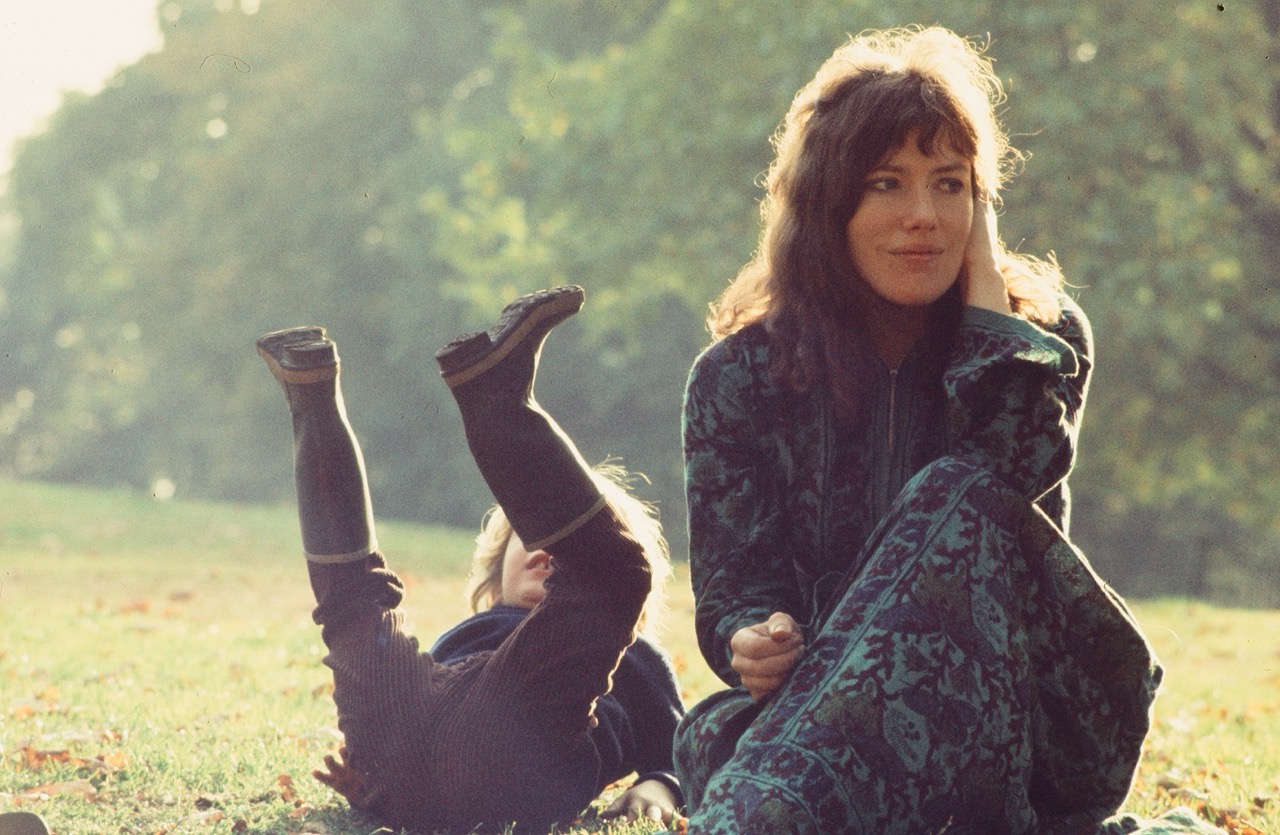
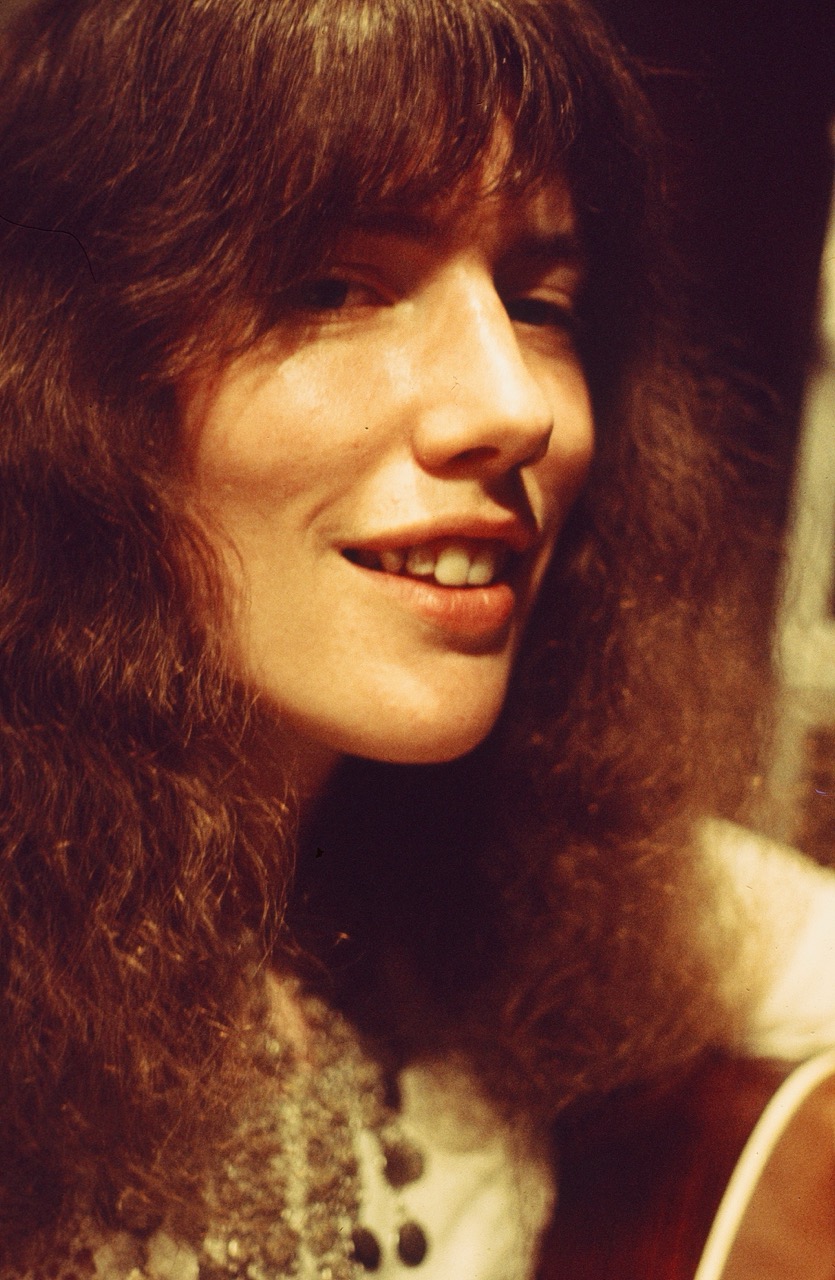
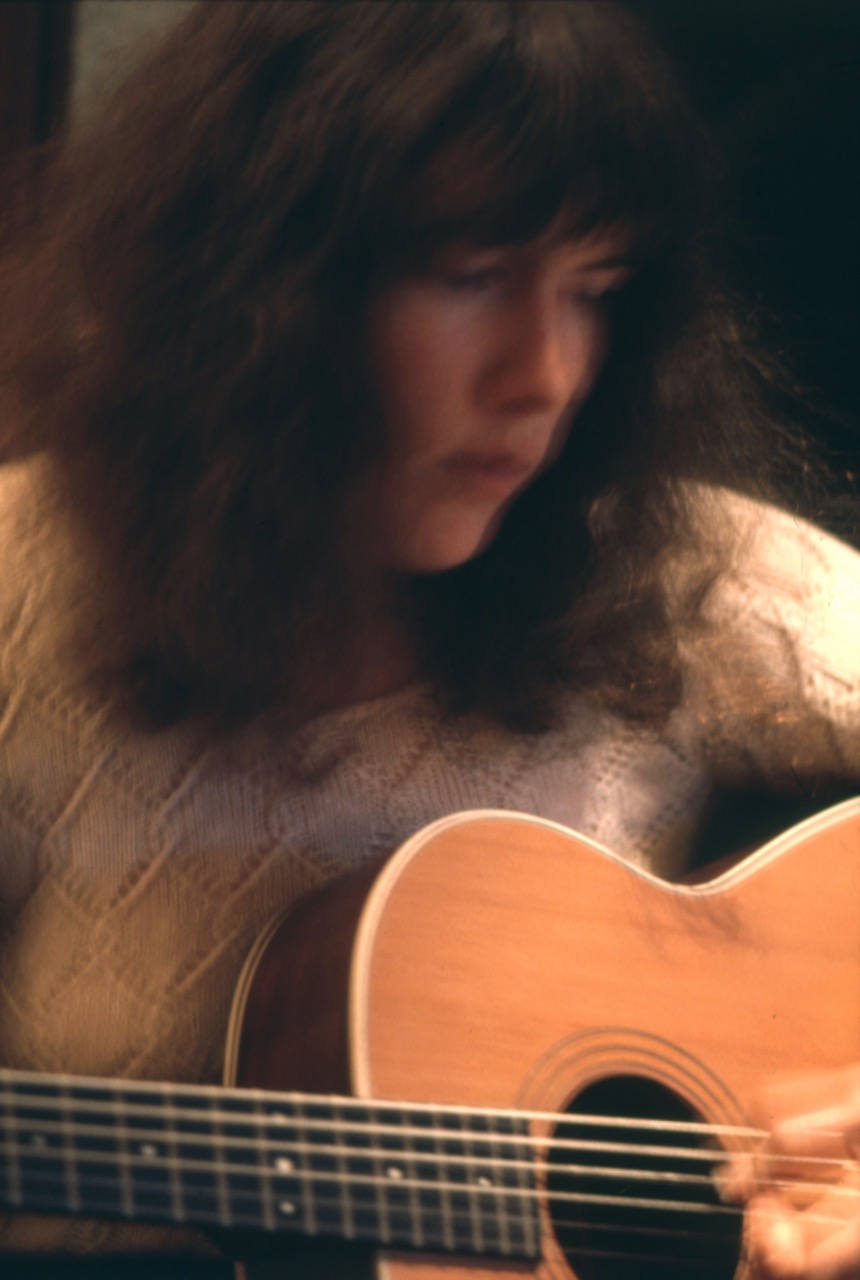
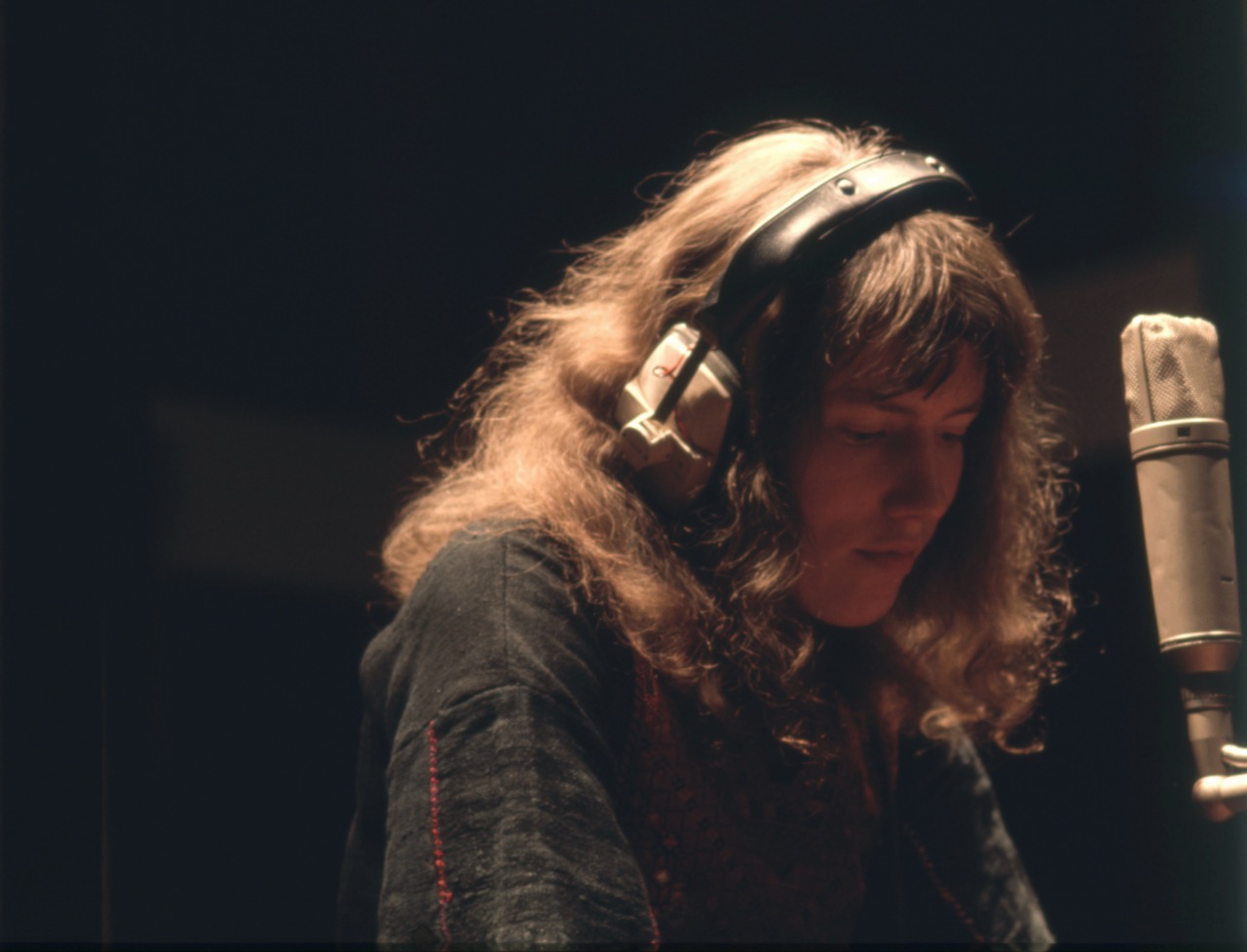
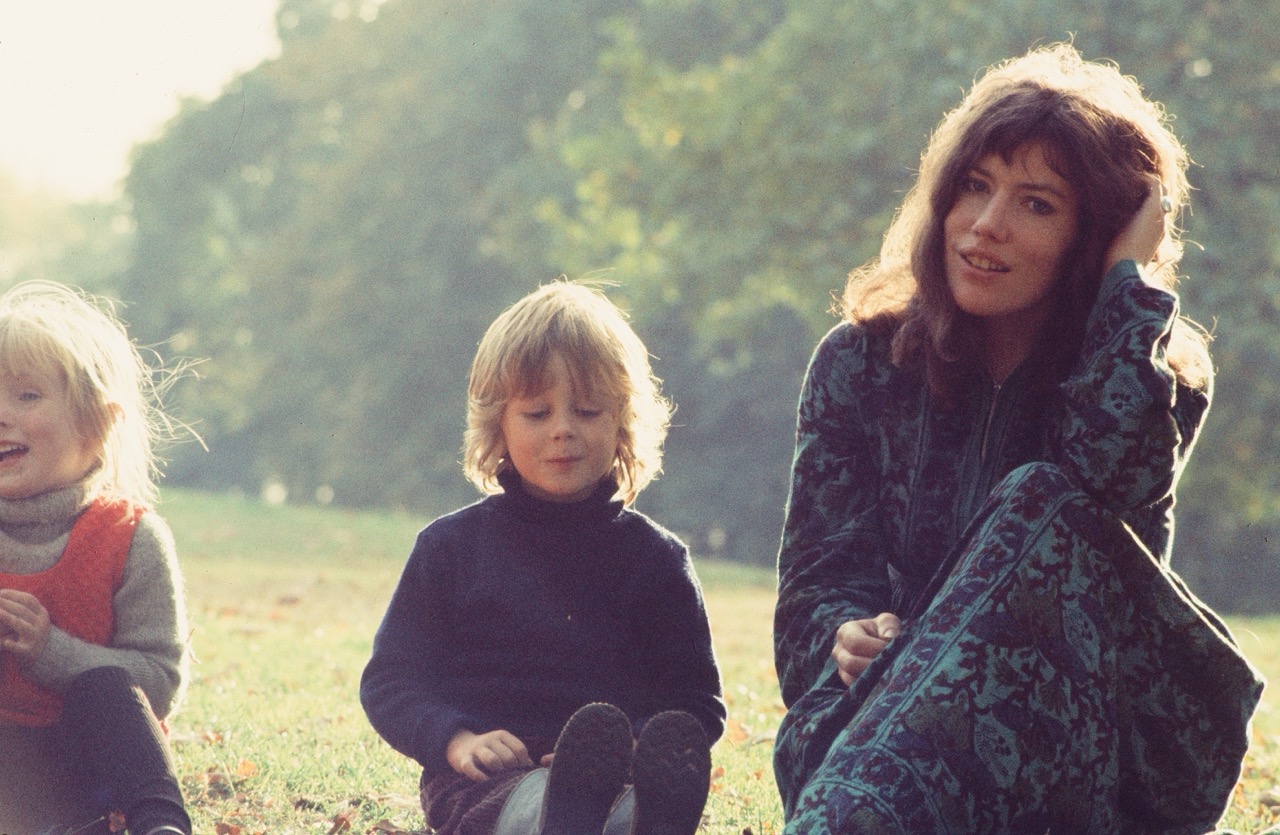
Folk singer songtress and guitartist Bridget St John was born in England and now resides in New York City. Not content with playing piano or school work, she carved her own path, writing her own songs and learning guitar as a teenager which caught the ear of fabulous musician’s such as John Martyn who was a mentor to her, and renowned BBC radio DJ John Peel, who signed her to his tiny imprint label Dandelion Records in 1969. She released 3 albums on his label Ask Me No Questions, Songs For The Gentleman, and Thank You For before signing to Chrysalis records in 1974 and releasing Jumblequeen. She moved to New York City in the mid 1970s and continued to play gigs, had a child and then released an album in the mid 1990s titled Take the Fifth. In the mid 2000s her albums were re-issued on Cherry Red and were heard by new ears like mine. I was immediately taken with the honesty, the wisdom and the intimate beauty of these exquisite songs, she had somehow flown under the radar of the big British folk artists were more familiar with like Nick Drake, Bert Jansch, Sandy Denny and Fairport Convention.
I sat down with her to discuss her past, her process and how she feels making music today. We started off talking about cover songs we liked.
Tiffany: I just listened to a Ray Charles version of “It Had to Be You” and it's the best version of that song I’ve heard, that and Harry Nilsson’s version are so great
Bridget: It is amazing when you hear a just an incredible version and it isn't the original I’m not saying the original isn't good but it's so well interpreted and not copied you know that it's like wow t's like takes on a whole new meaning…..
Tiffany: Speaking of you've done some incredible covers
Bridget: Well see I don't do a song unless I feel like I ate it years ago and I’ve been digesting it and it just comes out as my take on it as opposed to um copying you know what I mean? I have no interest in copying anything. When I was younger you know that's all it was, all I could do was to figure out the sound of the chords
Tiffany: I was listening to your version of "Suzanne" the Leonard Cohen song and I was thinking about your guitar playing on that song, I mean it's interesting because Leonard Cohen’s guitar playing was something, he plays in a distinctive pattern with that nylon string guitar
Bridget: Yeah yeah
Tiffany: And I loved it because it sounded like classical guitar and kind of flamenco guitar but when I listened to your version and your guitar playing, it was so much more intricate than what he did on guitar, you incorporate some of the notes of the melody in the guitar playing and I wanted to ask you more about how you became a guitar player and how you found your guitar style and when you started playing. I find that you're guitar playing up there with some of the great finger picking guitar players that we know and most of those if not all are male– you know the John Rembourns, I would say you're right up there with them so I wanted to ask you about that.
Bridget: I did this tour earlier last year and Willie Aaron is a keyboard player, and he said I’ve only recently felt comfortable saying I’m a musician as opposed to I’m a singer songwriter which I always have been you know, well since I had a guitar and started writing songs, I would always use that label but never guitarist you know I still feel comfortable in what I do but I don't think I necessarily measure up to anyone you know
Tiffany: Oh god I disagree, I disagree Bridget
Bridget: Well, thank you
Tiffany: How did you start playing guitar and how did you learn how to finger pick and who inspired you to start playing like that because it's not easy
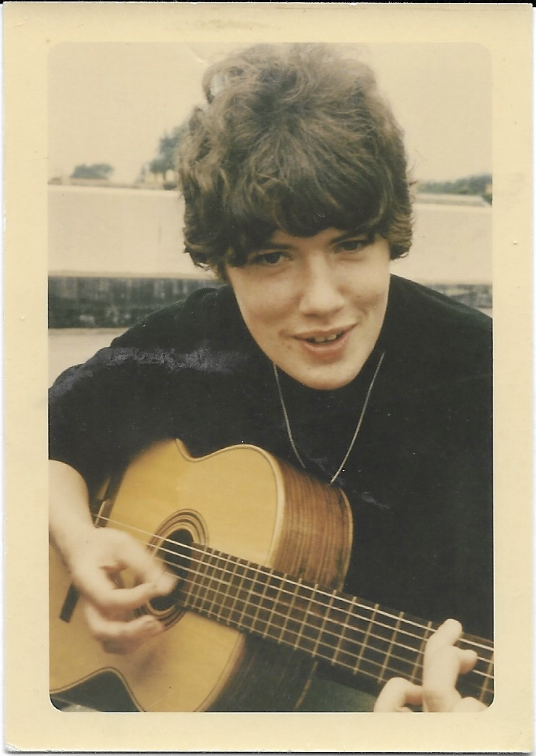
Bridget: I mean I didn't get a guitar until like two weeks before I left English equivalent of high school and I had been telling my parents since I was 11 “I want a guitar “ and [they said] “no” you know and so I did piano, I retired at 11, I did viola for two years and my teacher was so cool she told my parents this is not her instrument she would come in and I’d be waiting in the room holding my viola like a guitar you know and she got it she just got me she said I didn't really practice, I wasn't prepared to do the work because it didn't really matter to me you know and she gave me her grandfather's banjo which had no strings on it but it was like saying I hear you okay so it was the most she could get close to a guitar and then my parents said well you have to do something else so I chose trumpet because I had seen Kendall in um Genevieve it's an old old old movie with Kenneth Moore and I thought she played it and I was like that is so cool! And I could see myself doing that but then the work to even get a sound out of that! And I had this really um I can't say he was unpleasant but– kind of sweaty man from the… I went to a girl's school and the boy's school had the trumpet teacher so he had to come to the girl's school and I just didn't really feel comfortable with him and again I didn't put the work in you know and then my grandmother gave me 20 pounds and I went out and got a gut string nylon string guitar and I have a picture of me so I know I took it to school , I have a picture of me up on the roof with this guitar just grinning. I couldn't really play anything yet but I’ve got a guitar! you know, so that summer we, my family, I have two sisters my father mother went somewhere in France and I took this guitar with me and that was my work, I was obsessed with it, I mean it took me months just to play c g f whatever, three changes to actually lift your hand off and find the next chord and lift it and” oh no that sounds terrible I’m not holding the strings down” it took me a long long time but I didn't give up because I really wanted this, you know. My oldest friend Carol we're still in touch , her first boyfriend played guitar and so I know that I asked him well how do you do this and like one chord at a time was enough for me it wasn't like oh just show me the whole thing no– just give me one chord and I'll work on that you know and so that was my beginning and then I took it to university with me I got turned down by every university because my o levels were terrible. I got into Sheffield University but I got in so late that I missed freshers week, I didn't have housing they put me in a hotel I was very isolated when I first got there. I used to do tennis at school I’m not gonna go and find those people i don't know where to go, but I did find a theater group and I loved acting in school so I went there with my guitar always with my guitar and they were just really cool and people go Bridget that's not the right chord I would try and do a Bob Dylan [song] “no that's not the chord” but I couldn't read music I didn't want to I didn't have to study like that I just wanted to hear it and I couldn't always find the chord that sounded right but I was trying and other people there played. The first sort of performance I did– I think it was Lazarus. I had heard on the Buffy Saint Marie album and I did that in one of the theatrical reviews where it was different things happening , so that was my first you know sort of actual somebody saying yeah you could be up on stage you know well I knew so little then I mean in terms of just experience. I was hired, I’m sure I got paid very little but it didn't matter to me– they had whole halls of residence where they would have balls and they would say well you can play in the quiet room so when people are sitting down they'll just be in the room when you're playing. I can't say ‘listening “ because you know people had usually drunk a lot and they were terrible, there was no PA and it was a carpeted room so in terms of any kind of projection it just swallowed up your sound but I didn't take anything personally I just played, I was like you're not listening to me but I wasn't performing in that sense you know, so all those things really just helped me, just you know become a singer songwriter whatever. So in 67 I went to aix-en-covence as part of my French degree and I'd met these American girls there that all stayed in a house-I stayed there for the rest of the time and amongst those people was Robin Frederick who lives in LA– she teaches songwriting and she knew Nick Drake already really well, she knew John Martyn already really well and when it was time for me to come back I said well I’m going back to London I’m done with my three months and I still have one more year university and she said well I’ll come with you so we hitched up through France and got the boat over to Calais and showed up at like four in the morning at my parents and of course the doors were locked and they had this boiler room outside so we slept in there or we stayed in there I don't know how much sleep we got but anyway we stayed there and then she stayed with us for a little bit and one day she just said there's someone I want you to meet and she took me over to Richmond and across the bridge was Theo Johnson who was I don't know if he was like on paper John's {Martyn} manager but he was definitely sort of taking care of him and he was there, Johnny Silver, that was his quote unquote stable of artists that were living there so that's when I met John and it was just like this instant friendship and he helped me buy a steel string guitar, the gut string only goes so far, and it's also much harder to play because the neck is so much wider and I mean I didn't know anything about action but I’m sure I was like splashing in amongst the strings trying to hold them all down you know so he helped me buy my first guitar and during that last year at Sheffield he came to play in Sheffield with Hamish and they both stayed in a little house that me and two other girls rented so they came and stayed because what do you do when you play you don't want hotels, so it’s just a deep deep friendship you know
Tiffany: Yeah this friend of yours Robin, so did she play guitar and write?
Bridget: Yes she plays guitar yeah she wrote a song called Sandy Gray that's on John's first album, incredible so she wrote that song, she really knew Nick [Drake], I didn't meet him till 68
Tiffany: But how great that you had a friend that was also a female musician. What were your inspirations in terms of your early career and was the folk scene established at that point? Because everybody talks about the British folk scene and I don't know when it really took form.
Bridget: I think it depends how you define the folk scene because I’ve always said I was never part of that and meaning I think of the folk scene as the sort of true interpreters of traditional folk songs like Shirley Collins and Dolly Collins and I didn't know much about them I just knew of them but yeah it's just sort of um straddled that with whatever you want to call it independent folk scene. I quote this Leadbelly quote that I read it's like “folk singer ? sure I’m a folk singer I sing for folks” yeah so that's my definition
Tiffany: To my ears your music sounds like folk music, and I think a lot of people would say that it's folk music, maybe because it's mostly a guitar or two and all songs written by you so I guess I’m wondering where that inspiration came from musically? What were you listening to? And how did you arrive at your sound?
Bridget: I would say I was far more versed or grounded in pop music honestly because I listened to the radio I listened to radio Luxembourg it was my sort of my haven at night to tune into. I remember really liking hearing things I couldn't hear anywhere else. My early sort of listening was Sundays between 11 and 1 with two-way family favorites [on BBC} and the reason for that is that they only played what people requested it wasn't the BBC playlist so it wasn't like the top 40 or 20 or whatever you know it was, “I want to play this for Bill in Germany” because it was the British forces network, it was the soldiers in Germany and their families in England and they were sending messages, so I mean I listened to so many different things , you know amazing songs from the war that the people requested these songs that are really meaningful and it was always different so every week you never heard the same songs so I just remember hanging on to that. My first single I bought was Cliff Richard “Living Doll” but I liked the b-side better “Traveling Light.” When I think about “I’ve got myself a crying talking living walking living doll “ are you kidding me ?! but it was really catchy and I really liked Cliff Richard, all the girls liked him like Elvis Presley, PJ Proby all these things that you saw once a week on “Thank Your Lucky Stars” we just had a TV by then so I remember seeing Donovan on that and he was different, do you know what I mean? He's like playing guitar with a harmonica and clearly there's a reference to Bob Dylan as well, but it was Donovan that was on Thank Your Lucky Stars yeah I was definitely drawn to him and to his music actually, his language was different than you know “Take Good Care of My Baby” which I loved as a song too don't get me wrong. I think by the time I got to university and somebody turned me on to Bob Dylan, then it was like oh my god you can write about anything and that wasn't the feeling I got growing up listening to pop music you know? And there were some fabulous songs, definitely within a sort of genre within a limited um poetic landscape
Tiffany: Exactly. I’ve been listening to your albums and some of the songs, it's funny can be very light and playful and then some of them like “Goodbaby Goodbye” it's so emotional to me…
Bridget: Because it is what happened you know and I mean I’m sure many other writers have said it I think we write songs to figure stuff out you know? Not planned, but we can't help ourselves, all this stuff that goes on in your head and then it somehow it comes out in conjunction with melody with guitar.
Tiffany: I want to know about the process of making your first record, because I think you were pretty young at that point and from what I hear on the record, it's just guitar and vocals.
Bridget: And then John Martyn's guitar
Tiffany: Yeah.
Bridget: And this other friend of mine, Rick Sanders, who's not the Rick Sanders that was in Fairport. And then there was a guy, his record store was called Simon Stable, right? So he called himself Simon Stable. But I'm sure he had another name, but maybe not. I don't know. Anyway, it was on Portobello Road, and I used to go down there with my saved up money and he would play things. In those days where, it was like “here, listen to this” like Astral Weeks!, my God, and still, that album blows my mind as a total thing. It's amazing. But I wouldn't have known about it without him, you know, without Simon Stable, so he plays bongos on one track, and he said, but you can't use my name so he called himself Dominic. But it's Simon Stable And then John, actually, John Martyn sings on Ask Me No Questions as well as plays. And, I mean, I love, I love, I absolutely love that track for many reasons.
Tiffany: Beautiful. Yeah. I love it too. So, so you meet your friend, Robin? Now I want to know all about her.
Bridget: God, I don't know how many years ago now, but we did a song called, “This is the Story” which she wrote, and then she had me do my vocal on it. And so we actually collaborated on a song and she introduced me to John [Martyn] and so John, became my friend. And when I graduated, I came back down and got in touch with him.” I'm back and I want to start playing now” and at that time, I had been playing under my birth name, Bridget Hobbs. But it was very obvious to me when I’d be on the phone, like, “oh, that's Hogs?” No, it's Hobbs. Oh, how do you spell that? And I'm going, I don't want to sing with a name that everybody gets wrong. So John said, well, you know, choose another name, just like he did. Iain McGeachy it became John Martyn. It's almost like you can let go into who you really feel you are, as opposed to who you grew up being perceived as. So,we had four phone directories then and the S to Z was the one I picked up because it was blue probably. And I'm going, Bridget, this, Bridget, this. No, no, no, no. I think my first choice must have been from the E to K because I remember saying to John, what about Bridget Honeycomb? And he went, Bridget, no, no, no. Anyway, so I had my name then.
At Sheffield, there was a whole group of poets, some of them who knew people who went to Sheffield and others who were at Sheffield. God, I don't remember everyone's names, but they were related a lot to the poets of the Liverpool scene, Adrian Henry and Pete Roach was the guy that I think put together an anthology of British poetry, but mostly using the Liverpool poets. Anyway, so I knew him and when I came down to London, he was getting the poets for John Peel's Night Ride program and he said, you know, I'd like John to hear your music, but you have to have a demo and it has to be heard by the BBC panel before it can be allowed to be played by anyone. So John Martyn, again, who had been, you know, playing live for a long time by then, well, relatively long time, knew Al Stewart and he said, Al’s got a reel to reel we can go over there. And he must have arranged for me to do my four track demo there, reel to reel. And so that got sent to the BBC and I have, I still have the letter saying, you know, I “passed”, not very enthusiastically, but I passed so then, um, then Pete took that to John Peel's producer and he said, okay, great so we'll put it on the program on such or such a day. And, John [Peel] said, if I'd like to come and be there while he's listening to it for the first time, it's not like he listened to the tape before he put it on. It's like, it was just very organic. The whole radio was very John, John's radio was very organic, very different than playlists, and I mean, I think that's why people loved him– not that everything he played, he hadn't heard before, but in terms of these live things on Night Ride I think he didn't. I think there was a poet live that night too. So he didn't know what he was going to read you know, he knew who it was, I think it was Tom Raworth I think that's who it was. Anyway. So I, end up going into this tiny little studio, walking into the BBC. I'm going to see John Peel. Go upstairs. It's like, now you can't get in there, you know, without, you know, I don't know, credentials and an appointment and all of that. So this was late at night and it was a very small sort of skinny, skinny, small studio. And I sat on the floor, as he's listening to me, and asking me a few questions. I had somebody, recording it on a cassette recorder.
Tiffany: Incredible. You should release it if you can.
Bridget: Well, the thing is though, I don't think the BBC leases out their recordings . Anyway, so that was the first time John heard it and, and then like within a week, he said, you're going to come onto this Tony Palmer's, TV program “How It Is” and do one song. It's not like it was a meteoric rise or anything, but it was suddenly …there were doors that I didn't even know existed that I could actually walk through, a little bit anyway, you know? And then John started taking me on his DJ gigs, you know, which were real DJs, really spinning records and everything. And then he'd go to these kids that loved him from his program and said, you're going to sit down now and you're going to be very quiet because she's very shy and she's going to sing some songs for you. And he just, allowed me to find myself in front of people who cared about him. I've always called John my umbrella, you know, it's like no shit is going to fall on me, which is not exactly true, but I mean, in general, I felt very protected and supported and loved in terms of, you know, just caring about my music.
Tiffany: Yeah, absolutely. How was it for you playing solo and live in these types of places? I mean, I know from being a performer, like playing solo for me, I have so much performance anxiety. How was it for you playing these shows? Were you nervous? Did you just go, I'm going to do it anyways? Cause I believe in my music.
Bridget: I don't think I ever said that to myself back then. I just trusted John. I think when you start off from ground zero, you learn as you go, you know what I mean? I don't think that's the case anymore. You know, people have MTV, oh, that's probably passe by now, but they have YouTube now they can actually study people performing and mimic them and we didn't have any of that. I think it allowed me to just develop into more of me, you know, rather than, oh, maybe I should be doing that, oh, they won't like this. I do think there was part of me that was always hoping to see my album in the top whatever and I know the second album was like in, I don't know, 24, 27 or something in the sounds chart, and that was like, oh my goodness, you know, but in the end, that's sort of meaningless, it's meaningful, but meaningless in terms of your own kind of development and staying true to who you are, it's like, it's not actually going to change anything, except make you feel good for a minute, you know, but it's still up to you to do all the work and keep working and not, I mean, I've learned, I'm doing this because I have to, I'm doing this because I love doing this and because I feel, I know when I've connected with other people by doing it, but I'm not doing it with a result in mind, if you know what I'm saying, when I recorded “If You've Got Money” it was with Warner Brothers, because it was sort of in between Dandelion's distribution deal, so it was actually on Warner Brothers, [they said] “oh, it's a hit, it's a hit” and I'm like, “Oh, I'm gonna have a hit, I'm gonna have a hit!,” of course, nothing happened, and it's sort of like, you cannot decide for people what they're gonna like, or if it's even gonna get heard, because if it's not played, it's not heard, you know, and anyway, yes.
Tiffany: Yeah, I mean, I feel like I reached a point myself with that, too, where you just, there's so many variables within the music world, like you said, like, whether it gets heard or not, or if it just passes people by, or what they're connecting to at that particular moment.
Bridget: Well, especially these days, I think everything is so changeable in many senses of that word, but everything is so changeable, people are so distracted, I get distracted, I go to my phone to do something I intend to do, and there's a message from someone else, and I go and look at that and same with music, you hear something, you go, oh, I love that, but if you don't follow it up… .. I was in a store in Florida, and I heard this song, I was with this friend of mine, and she was looking at the clothes, and I was just listening to this song, and it was in French, and I was like, that is so cool, you know, and I said, can you tell me what this song is to this woman who's trying to sell clothes, and it's this amazing French song, it's just beautiful, there's no other way I would have heard it, if you know what I'm saying, it just came on randomly, you know, I know, I don't think people are necessarily that intentional about what they listen to.
Tiffany: Yeah, I keep wondering if it's something with me with like, with getting older, there's the whole Spotify, and everything of it all, my job is to listen to music, I listen to music a lot, but when I was younger, I followed artists, you know, it was like, I had certain artists that I loved, and then I would consume it non-stop, and I did that with your music, I've done that with, I mean, many artists, Neil Young, and you read all the liner notes, right, and you wanted to know, oh, who's that bass player
Bridget: I feel radio is so disrespectful in general, except for smaller radio stations. I mean, there's WKPN in Connecticut, Howard Thompson. It's so amazing, he sets the song in context. He tells you as much as he knows about it, or has found out about it, there's a context of it, it's so refreshing, rather than, well, this is Joe Blow, and I'm talking over the beginning of this, but you don't need to hear that anyway, and actually, I'm going to cut it off before the end, because I've got something else I want to just tie in there, and I'm not going to tell you who the artist is, and I'm not going to tell you the title of the song, either. It's really about me, and my show, you know, and I just go, like, I mean, there's some of those people are really good, but some of them are, like, why didn't you tell me who that was? I really liked it, but how do I find out, you know? Anyway.
Tiffany: Well, talking about connecting and connecting with people musically I mentioned, “Goodbaby Goodbye,” I know this is a long time ago, and probably a totally different version of yourself, I think what's amazing about a song like that is, like I said, when I hear it I feel so much, and there's certain songs that I think certain artists have that just carry this weight and I don't know where it comes from, I don't know if the universe just, you know, correlates, and this song just comes into existence, but I kind of wanted to know, like, what was your inspiration what was your writing process like in those early days of writing and how has it changed now, and has it changed over time? do you get inspiration from different places, and what your inspiration might have been back then, as opposed to now?
Bridget: I don't know that there's a huge difference between then and now, and because I'm not, I'm not someone that sits down to write, and often I can just pick up my guitar, like, yesterday I picked it up, and I went, like, I never used that chord before, and it's open D tuning, which I love, and I use a lot, and I found another chord, and it's not like nobody else found it, they probably have, it's just, for me, it resonated, and I haven’t written anything with it, but I feel like often, it's only yesterday, I feel often, I'm just playing, and the sound, that's why I need a guitar that I love, because if I don't like it, it's, it's distracting me from whatever the chords are helping me find, or channel, or whatever the process is, I don't have a deliberate process, I think, more and more, I think they're gifts, you know, I really do, and I think that sometimes I pass up on the opportunity of a gift, because I go, oh, I'll remember that, and I don't, and I go and, it's gone, I think I actually have this visual of, like, okay, Bridget, this is coming through you here, and it's yours, you know, and I'll go, thank you, or I'll get that later, and then, no, I'm gonna just keep going, someone else will, someone else will want this, that's my feeling about it which isn't to say …once I have, sort of, a song that's given, that I don't necessarily keep working at it, which is different than the original gift, if you know what I'm saying, like, I have this song, “Look at This Child,” so I wrote that when Christy {Bridget's daughter] was seven, but it's over 30 years, so it's over, wow, it's over 35 years ago, I wrote it, and then I changed the words, some of the words, , and I just strummed it, that was my thing, was just that, and then I went, like, this isn't really working for me live, and I just left it, I recorded it, and it became this kind of, um, kitchen sink recording, really and just a little overkill, and I was, like, I'm not putting that out, and so maybe a couple of years ago, Christy said, listen to this abulous Crosby, Sills, and Nash song “ Find the Cost of Freedom,” and I just went and hit play on YouTube, and I went, oh, that's really good, you know, and I just said, that's really good, and I left it, and then with everything that's been happening with, I mean, pick your war, right, but the horrors of everything, I mean, "Look at This Child", was inspired, really,…when Chrissy was seven in 1991, it was my first experience of looking at televised war 24 hours a day, with people going shock and awe, it's sort of my protest and my feelings around that, and then I felt like, with everything that's happened in the last, like, two, three, four years, and before, it's been so amplified lately, I just, I felt like I wanted to start my song by doing, “Find the Cost of Freedom” before it, so I did that, and then one day I was just on the subway, and I mean I don't get my phone out, I'm just sort of there, and sometimes this stuff comes to me, just, it's almost like I have this feeling I'm between A and B, and I'm not responsible for anything except getting from there to there, so everything is sort of free in my mind, I won't make phone calls, I won't look at my phone, I'm not expected to talk to anyone, you know, so stuff just comes to me, and this, this little four or five lines just came home, you know, and I went, oh, that's the end of the song, so 40, 35 years later, that song is actually complete, you know, and, and I'm really, really proud of it now, and not that I didn't really feel for it the first time, but I knew it wasn't really, or not that I knew what it was missing, I just stopped playing it, you know, because it didn't work for me, it was like, I'm kind of belaboring this, and so now it's, I finger pick it, and it's just a whole other thing
Tiffany: I love that you still have these moments, and it's like magic, and I think what's interesting, you talking about, like, yeah, not being on your phone, I mean, I wonder how much that's happening, how much magic is being missed.
Bridget: When I get in the car [Of the subway], and I look down and I go, god, this is like a uniform now, you have to hold your phone, otherwise, you'll be lost on the subway, if you weren't holding your phone, you know.
Tiffany: I noticed that on the tube, on the tube in London, too, yeah, I noticed everyone in the car, on their phone. It's almost like it's a defense mechanism.
Bridget: I don't have to look at you if I've got this, and it could be a beautiful dealing, it could be that someone just smiles at you, and it makes your day, but you're going to miss all of that, you know, and even if it's shitty stuff happening, you need to be aware of what's happening around you all the time, you know, losing yourself. I mean, I've had moments, like, there was a campaign on the New York City subway, which was something about minding your manners for the MTA, you know, and now , it's the same campaign, but it's called Courtesy Counts, right, but I wrote a whole song from that, just sitting on the subway, manners makes a better MTA, I've got the whole thing, and, it's probably not an original tune, it's sort of like a jingle type sound, but it was like, I didn't ask for that, I didn't say, I'm going to write a song about this, it all just came out.
Tiffany: Right, right, I wonder how much creativity is being destroyed by our devices, by the addiction to our devices. So going back, I am interested in this–, because I'm a big folk lover, and I was a big fan of all the British folk, Fairport, and particularly Sandy Denny was like, one of my all-time faves, when you first started out, and you were playing, did you play with these bandsin England? Did you play with Fairport Convention?
Bridget: I opened for them, yeah, I didn't, I mean, I didn't really know them, you know, I just, I would show up, they'd be sound checking, then I'd be the last person to sound check, because I was the first person going on, but I was around them, let's put it that way.
Tiffany: Was there a scene, and did everybody kind of know each other? Like, when you played these shows with them, what was the vibe around it? was everybody supportive of each other, in terms of music, and gigs, and what was the general atmosphere like?
Bridget: I don't think I ever opened for them enough to say what the vibe was, I did a show in Guildford, I opened for Deep Purple, I opened for Jethro Tull at the Nottingham Boat House, Boat Club, I had this very checkered [opening gigs] , and that, I put down to Black Hill Enterprises, honestly, I mean, other than the gigs I did that John [Peel] took me on, or that he was emceeing, I would be on them with Tyrannosaurus Rex, not T-Rex, but Tyrannosaurus Rex.
Tiffany: Really? So you opened for them?
Bridget: Yeah, yeah, but when it was Mark sitting cross-legged, and Steve Peregrine, too, sitting cross-legged, it was very low-key, but in a pretty, pretty big concert hall, you know, that's to do with John, you know, it's just, because, he endorsed us, people would come, I think, to see him, too, you know, but he was, he wasn't playing records, then, you know, he was, that's incredible, a band called Family,
Tiffany: Oh, yep, I know them.
Bridget: For the Moody Blues, at Mothers in Birmingham, and Electiom which is Doris Henderson, and Trevor Lucas. Fotheringay, which was Trevor and Sandy [Denny] . Yeah, so, I mean, I never came away feeling like, oh, they, they don't like me, or they don't want me around, but it's not like…. I mean, I was traveling by train, I didn't learn to drive until I was 24, so for the first three years I was traveling by train, and I had to leave to get the last train back, the quote-unquote milk train, then, yeah, me and a bunch of weird guys, mostly so it wasn't like I hung out with them, you know, I was the opening, I don't think I always was around for them playing, because it depended when the last train was that I had to get, and stuff, so, I think I've kind of always been a little independent, you know not needing to, like, hang with whoever I'm playing with, you know.. So they traveled as a band, they traveled as a group, they were already a, a family of sorts, you know, so.
Tiffany: Yeah, I mean, you just hear a lot about, like, um, the Les Cousins venue, and it's just, it's, for me, as a fan, it's interesting, and then also, you know, having been in different, like, music scenes, and I completely relate to what you say, I mean, I knew certain people within the music scenes, like, you know, I kind of knew Devendra Banhart, but I didn't really know him, you know.
Bridget: it's just interesting to me, because now that's a snapshot in time, when I was playing, you know, and it's just interesting, different people's perception of what certain music scenes were like. Now that you've reminded me that the only scene that I felt I was a part of was Cousins, you know.
Tiffany: Really?
Bridget: So I lived in London, and it wasn't that far, you know, I could get a bus down, and then walk through the little Soho Square, and down to Greek Street, you know, and I didn't go all the time, I mean, I definitely went when John[Martyn] was there, because I knew him, and obviously, when I was booked there, but it's not like, I don't think I ever actually did an all-nighter there, you know, I was probably there quite late, but I always went home to bed, I didn't stay there all night, but, yeah, that was, I mean, that, that was just really comfortable, and a lot of that was to do with the Matheou family, because they had their restaurant upstairs, and it was like, you were part of their family, you've played, so come up and eat, you know, and it's just really lovely and Diana [Matheou] , lately with the cousins, some [anniversary] celebrations, I've, you know, seen her, what, three or four times now, so it's really lovely to rekindle that, and actually, last summer, I met, um, Sandy Denny's daughter. Georgia, yeah, she was doing, um, a sort of, a tour of Sandy, about her mother, but also a tour of discovery about her mother, because, you know, she was so young when her mom died, so she really doesn't know a lot about her, and so she was really interested in talking to people who'd been around her.
Tiffany: Yeah did you know Sandy Denny?
Bridget: I had one train ride with her, like, on my, on my train rides, and she, for whatever reason, wasn't riding up with the band, and she got on the train, and then saw me, and we sat for that journey up, so that was really lovely, and at that time, I used to just write little blurbs, whatever was in my mind about what was going on outside, inside, and so I had these little, kind of, snippets, and one of them's about me and her, and I printed that out for her [Georgia].And I said, you know, I really didn't know your mom that well. I did gigs, but this was my, my time with her, you know, so just a little teeny, teeny, tiny moment, you know.
Tiffany: I love that. Yeah, I wanted to ask you about your recording process on those 70s albums, because when I had interviewed Vashti Bunyan, she said, and I thought this was really interesting, you know, just talking about how she wanted to be Bob Dylan, she heard Bob Dylan, and it kind of, like, changed her life, and she went to go shop her songs around, she did the Tin Pan Alley thing, and she said she’d show up in jeans and a t-shirt, and they would say, why didn't you wear a gown? You know, that kind of thing.
Bridget: We can't market you in jeans and a t-shirt…..
Tiffany: Yeah, exactly, exactly. She had a different thing, because I think it was, it was Andrew Loog Oldham, who was producing the record, and she said, it became very disheartening to her when she’d show up, and they'd kind of go, okay, do your vocals, and now, bye-bye, see you later. And then they had studio musicians, and she didn't have a say in those early recordings, she was a musician, she wanted to be there for the whole process!
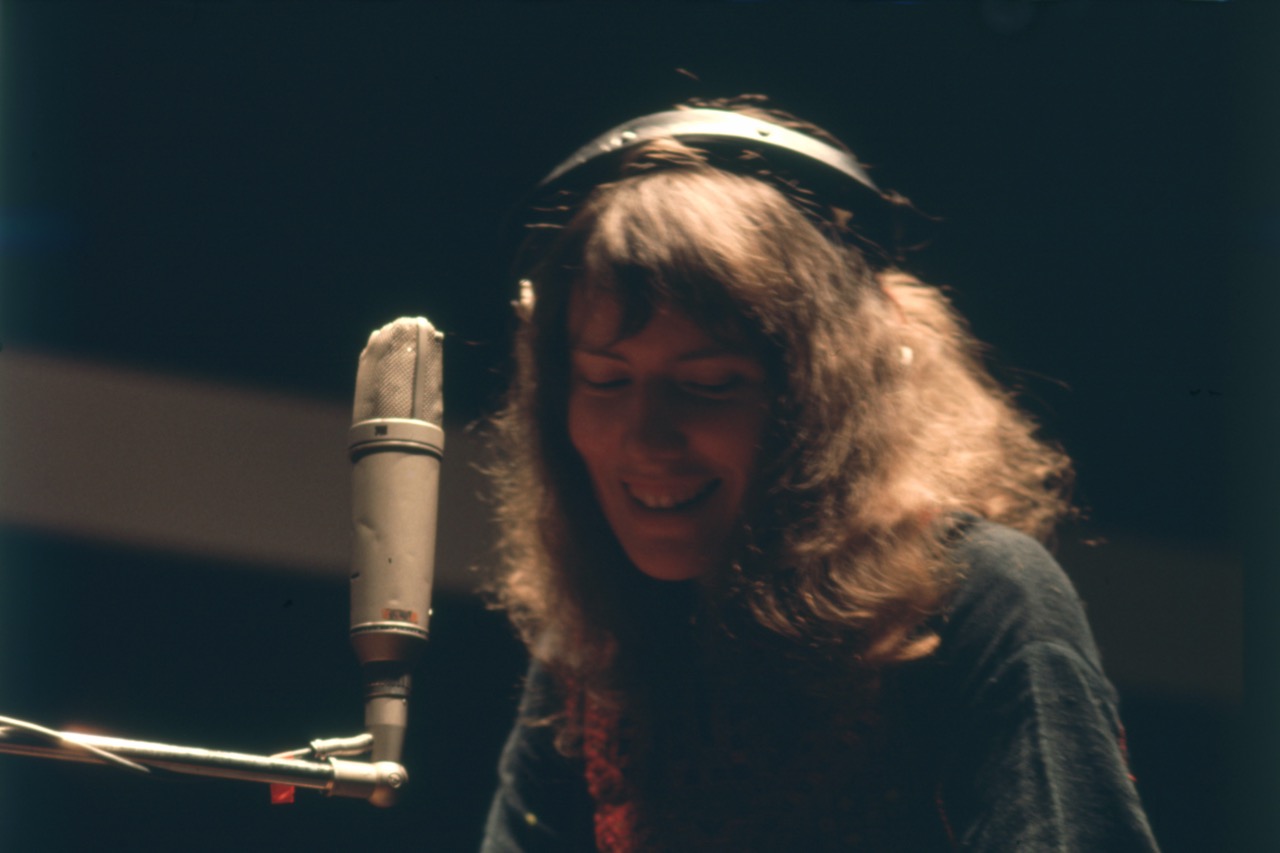
Bridget: They took her music from her, basically. I mean, I'm not saying contractually, I don't know, but, but in terms of deciding all the colors that will go around you, we've already done that, and it's like, well, that's not my palette, and actually, I didn't want most of this, For me, it was the total opposite, you know, and it's because John [Peel] first heard me on that, that demo tape, and so that's who I was to him. It wasn't like, oh, well, yes, we could do this, this, and in all fairness, I mean, he wasn't a producer looking for tons of artists to produce, you know. He, you know, he did the first album, and it was like, I was just me. That's exactly what I could play at that time. I mean, I've said to lots of people, I can tell my guitar strings are dead as anything, but what did I know about dead guitar strings? I didn't, and guitar strings were expensive, so you couldn't just keep changing them, which, of course, I will do now. It's an investment in getting the sound that I love, or hope to love, but then I was just doing the best I could do with anything I did or didn't know, and the songs that I had written, it wasn't like I wrote them for an album. It's what I had, you know and John did not interfere, and yet he was a guide. Do you know what I'm saying? That album was recorded in two five-hour sessions, so 10 hours. In a way, that's how it should be. If that's all you know to do, why aren't you just doing what you know to do, and then from there you'll grow, you know you'll evolve, because how could you not, but that's where I was at that time. Like, everyone says, what's your favorite album, and I don't really have one, you know, I don't, I recognize, oh, that's how I was at 22. and this is who I am at 79. You know what I'm saying? It's like, it doesn't really matter. It's just, it's what you're doing, where you are, you know. And of course,I have nothing bad to say about that first album, because it's who I was, and it was my friends doing it with me, and I was very comfortable, and John made me even more comfortable, and when he had this complete brain surge to do, Ask Me No Questions like that, and, sourced all those bird songs, and bells, and things, and that was in his head. It had to have been, and it was brilliant, and it totally works, he augmented something I wasn't evolved enough to even hear in my own music, because I love what he did. I love it. I didn't feel he, he didn't put his stamp on, he just sort of fleshed out what he already heard in there, I think, you know.
Tiffany: Yeah. Yeah, absolutely. It is such a beautiful, intimate album, and you really do hear so much of you and I think it's actually rare for that time, because I think actually a lot of those bands, a lot of the folk musicians that you hear they were within in this major label structure, right? And they had a lot of resources with producers and studios . So, I mean, I think that's what's probably very unique and interesting about that first album of yours, is that...
Bridget: I was allowed to be me.
Tiffany: Yeah. And all the songs are written by you, and all the guitar playing is done by you, which is kind of incredible, considering the time.
Bridget: Yeah, yeah, yeah. I mean, John Martyn, he came to New York a little before he died, and I was doing a gig, and I mean, his is a beautiful long story, which I won't fill you in on the whole thing, but he came down to the gig unbeknownst to me. And I was playing with a friend of mine who plays guitar, who actually plays with my husband, Gordon, Mick Gaffney. And so it was at The Stone, which has this wonderful concept of you actually give all the money to the artists, you know? And anyway, so I sang “Back to Stay”, and I remember saying, this reminds me of being in Cousins, it doesn't look like Cousins, but it's the feel of just very close to an audience and there to listen, you know? People did not go to Cousins to pick somebody up, do you know what I mean? And there was no alcohol, and you really could only drink a few cups of the coffee, because it was really strong. So, you know what I'm saying? So you were there because you wanted to listen, and people were there for that, and at the end, someone who's now a friend of mine, Sander Marks, came up and said, I know you don't know me, but I have a really good friend of yours, and you know, he'd like to say hello. So I went back, and then John [Martyn] had been sitting there the whole time in his wheelchair. He was in New York for about three more days after that, and he played his last American gig at Joe's Pub. And we went to dinner, and he said, I really like your playing. I think we should record again together. So that was the plan. It wasn't to be, but it's fine. It was almost enough that he felt he wanted to just play with me again,
Tiffany: That is so sweet. What an incredible story.
Bridget: Everyone says I'm the only one that, that saw the sweet side of John, but I think sometimes people don't give people a chance to show them another side of themselves. And, you know my first meeting with John was, was this really good human being, you know, and we never crossed any horrible lines.
Tiffany: Did he influence how you play guitar, how you started playing?
Bridget: I mean, in the sense of…. I saw him retuning his guitar tuning the E string down to D gives you so much more. I would say, well, how, what, where did you tune it to? And him showing me the tuning, it was for me to find shapes on it because that's what chords are to me as shapes. So, that was my discovery into, well, what feels good to me, what sounds good to me. In the sense of actually playing with those tunings, he was sort of my mentor in getting me there, but it was my discovery, you know over still, still discovering.
Tiffany: Yeah. I mean, your guitar playing to me, you're up there with Jansch and Renbourn
Bridget: The funny thing is, so, Stefan Grossman's my friend. I mean, I saw him a few years ago at City Winery. They did a, what was it, like a tribute to Leonard Cohen after he died. And I did Suzanne there and he came to that. He was like this master ragtime blues guitarist, and I said, how do you play that ragtime? And he actually taught me one that Reverend Brian Gary Davis had taught him and I mastered it, but then I'm going like, but I'm never going to play this on the gig. It's not important to me to copy this, but I was just really pleased that I, that I could do it. I think at one point I tried learning Angie because every male guitarist I knew was like wigging out on trying to do it better than the next one, you know, but then again, you know what? I'm not going to actually….I like the fact that I could do it, but that was enough, you know.
Tiffany: But maybe those elements might show up in some other way
Bridget: Well, I think so. When I listened to “Nice,” it isn't ragtime, but it, it's sort of similar in the sense that it's different than a lot of my other ones.
Tiffany: Oh yeah. That song it moves in such a great, unique way. I love the finger picking and how it moves up it's so unique,
Bridget: Yeah. Yeah. I think unique music, you know, it makes for unique songs. I'm not trying to reach for something I can't do. If you know what I'm saying, I'm just trying to discover things I enjoy on the guitar or within a song. And then it creates something completely unique and it's a great snapshot of like where you're at, at that time. And you never know how that's going to resonate with people. And I'm amazed that I still sing, “Ask Me No Questions” And I'm really thrilled when young people are in my audience and I mean, young, you know, like 17, 16 and just much younger than me anyway, and it's like, wow, that's almost all the sort of validation you need is that people still want to hear what you wrote, you know, it means that you connect. And the fact that I still like to sing some of those songs I can still get behind in terms of, um, you know, what they're saying is still universal, hopefully.
Tiffany: Yeah. Absolutely. I mean, I've been listening to your records probably, I think I discovered you in probably 2006. I was like, Oh, my God, this stuff is so incredible. And so moving and it's such a beautiful thing that music can continue to live on and touch people.
Bridget: Well, and having said that, I have to thank Cherry Red because they've, they really have stood behind me and I know box sets cost a lot more than just individual CDs. And they've allowed me to have input.
Tiffany: I love it as it should be. They should let the artists do that.
Bridget: Well, that was John's [Peel] whole idea behind the label Dandelion when I left and I did my fourth album, I said, thank you to Dandelion for time to grow because I don't think most artists have time to grow these days. Like, well, that didn't hit. So sorry, but were not renewing your thing or whatever, you know. I mean, these days, I feel like, you know, my generation are really blessed as different as it was and as, sort of, um, sort of uncharted territory in a, in a lot of ways. It's, it's nothing like it is now. It's so competitive..
Tiffany: Are you playing anytime soon?
Bridget: I'm going to Missouri to, there's a film festival called true false, true slash false. They put on a musician before each film, which I think is very cool. So I'm going to do a set before, I don't know what the film is and that's in March. And then , I've just confirmed that I'm playing Broadstairs festival, which is, the week of the 7th through the 14th of August in Kent in England. There's a guy, a Martin Snowden, who sort of, he puts on his own privately, um, what shall I say? I think he has an email list of people that come to the things he puts on. And I think I'm doing that with Katie Spencer. Do you know her?
Tiffany: Sounds familiar.
Bridget: She's, I don't know how old she is. I'd say she's still under 30. She, um, opened for Michael Chapman quite a lot and he always said, she's really, she's an amazing guitarist., she's very dedicated to she's brilliant on guitar. And she's becoming this amazing songwriter and singer. And all of that is just having time to grow. You know, you can't, you can't come out of the gate singing like you'll sing 50 years on, you know, it takes time.
Tiffany: Yeah. Incredible. I'll check her out. Bridget- thank you so much for this! Looking forward to seeing you play this year!
Photo Credit: Carola Robinson featuring Bridget's first guitar 1965 [last image]