No items found.

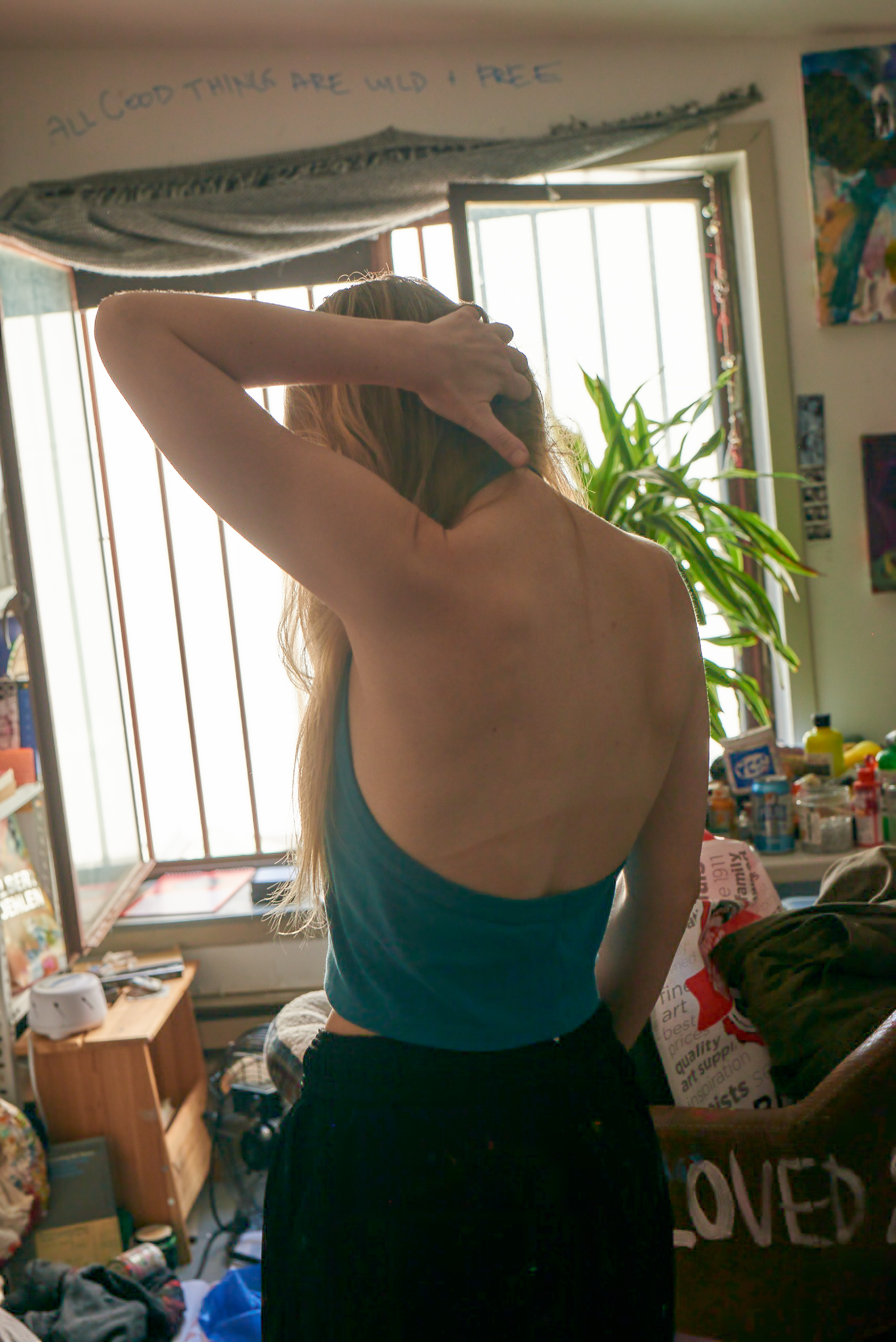
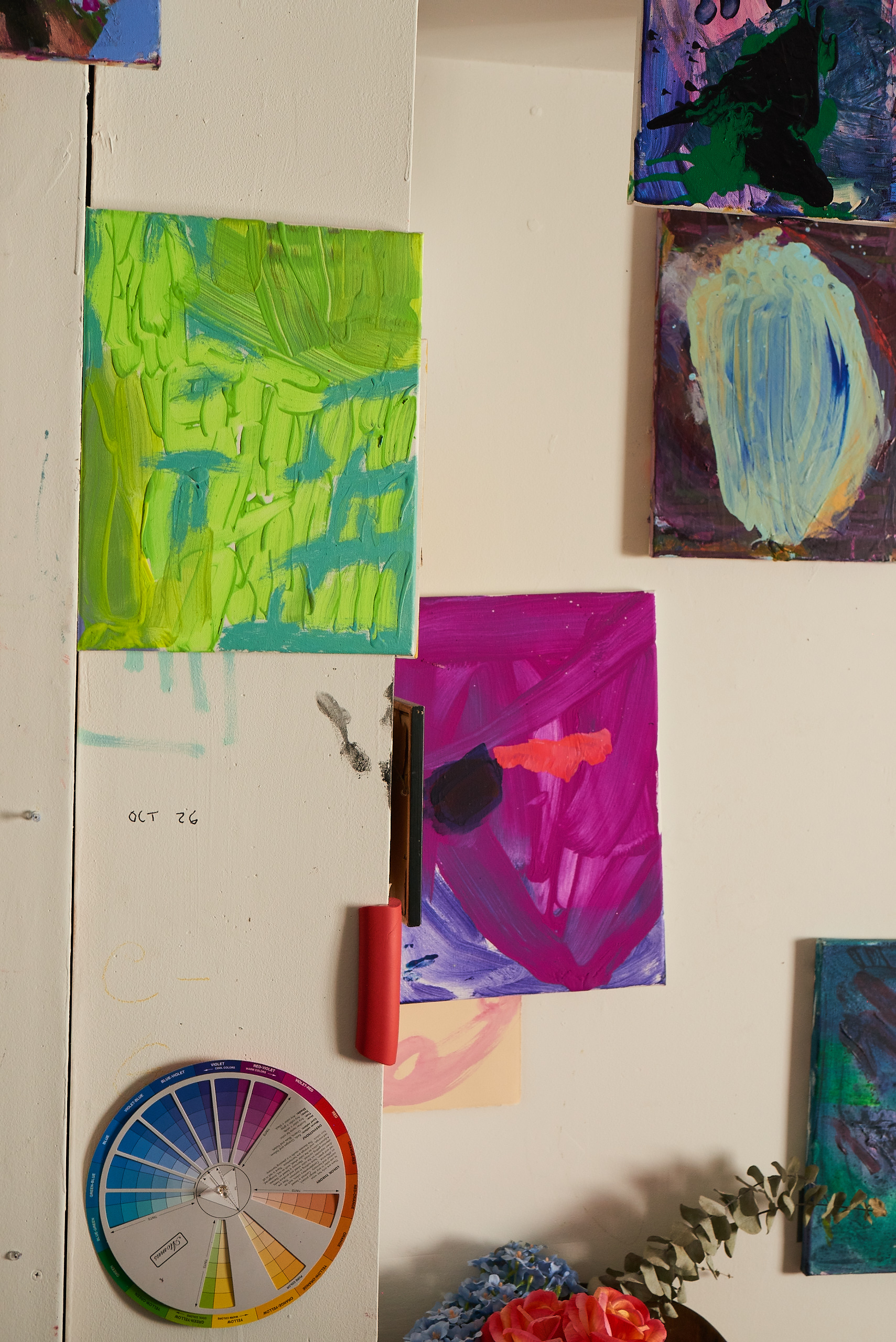
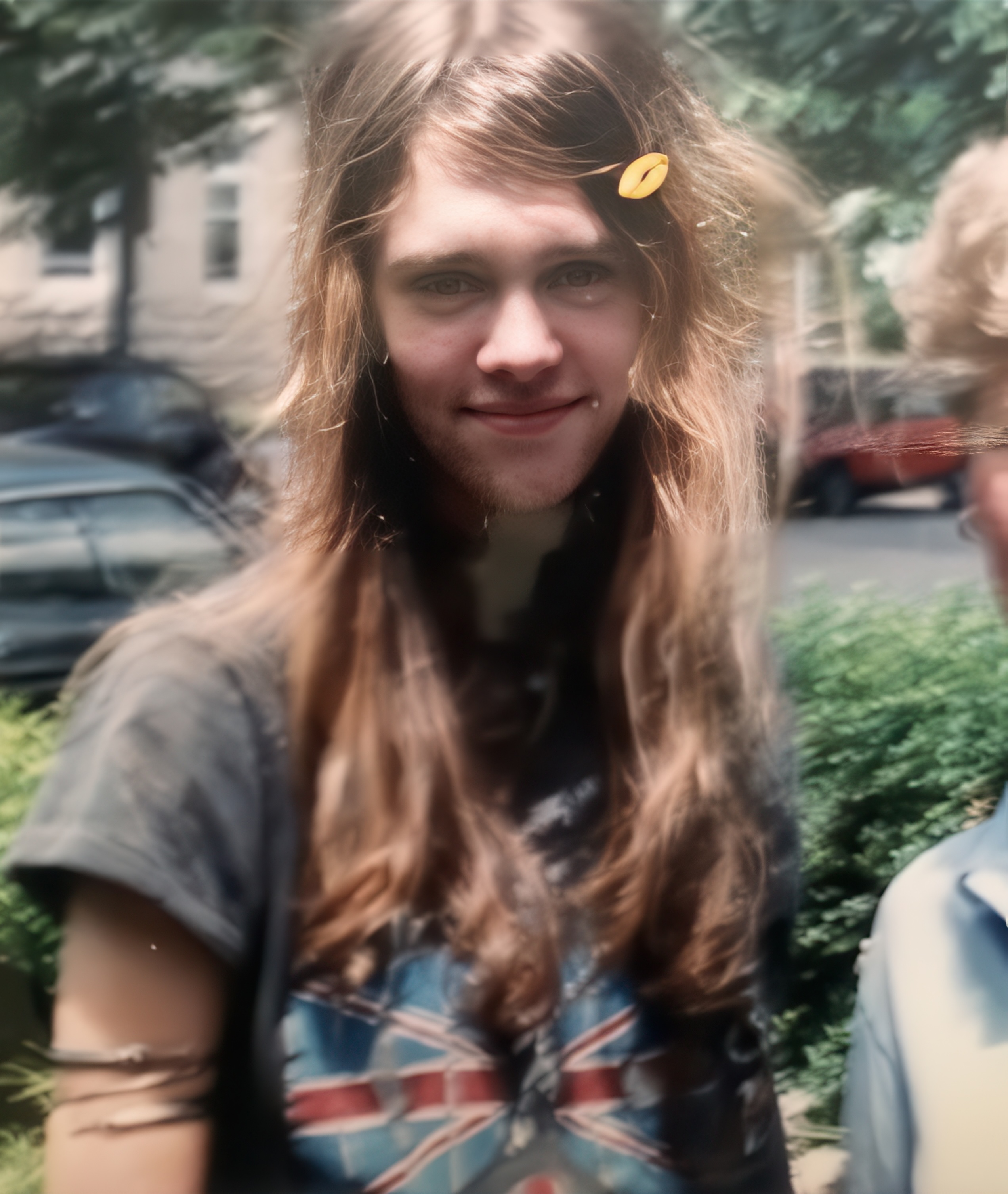
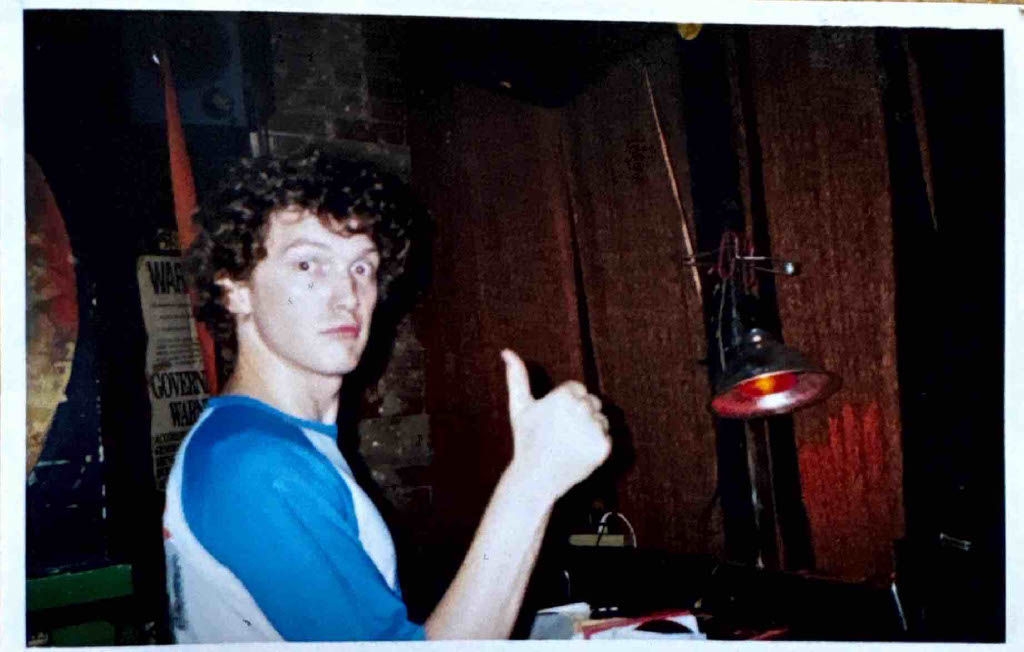
Photos of Jennifer Herrema and Kurt Midness
Whether it’s Royal Trux, RTX, or her current band Black Bananas, musician and visual artist Jennifer Herrema’s work is often carelessly labeled as “experimental.” Operating off the principle that all art is an experiment, Herrema’s has built her own language, filtering sounds, sights, and ideas through her innate sense of taste. Sharing DJ and band duties with her partner Kurt Midness, Black Bananas continue to build a world with their music and Bad Bunch radio show on NQRA by warping timelines and genres with reverence.
Mining their collective musical and cultural influences, Black Bananas create dancable, driving sounds for confusing–and sometimes rad–times, with a love of rock and roll’s depth, irony, and presence. More than a sound, Black Bananas is defined by the unexpected making sense. Ready to emerge from a decade of inactivity, Black Bananas are prepping their third full-length album and first new material since the 2016 “Spyder Brain” 7” single. I spoke with Herrema and Midness before the New York Knickerbockers took a two-game lead on the 76ers in the Eastern Conference Semifinals to see what’s changed, remained, and evolved in the Black Bananas Universe.
OK, we have plenty of time before the Knicks game tips off. Speaking of, I saw a clip of Cam’ron telling Steven A. Smith that he “Doesn’t trust the Knicks.” Maybe that’s a reverse jinx.
KURT: Cam’ron and Steven A are definitely not Knicks fans. I remember reading an interview years ago where Cam’ron said he didn’t fuck with the Knicks and that he was a Spurs fan. Since Cam’s from New York, the interviewer asked why he liked the Spurs, and he said, “I don’t like being depressed.” I relate to that—enduring decades of pain as a Knicks fan.
I don’t know if I ever recovered from the COVID-19 sports seasons. Empty stands and shortened seasons. I blame that on not caring as much these days.
JENNIFER: That was too fucking weird, then directly after that came all the gambling legalization and scandals. It crept into the whole system.
Totally. Everything is gambling now. We can probably bet on this interview on a Polymarket or whatever.
JENNIFER: I guess you can use Polymarket in the United States, but you might have to use a backdoor, but you have Kalshi now. It acts like it’s normal, like it’s your paper supplier—just completely innocuous TV branding. It’s crazy.
Everything has become a metric now and a commodity. It’s like these tech companies want to quantify everything—even art and music. But they ignore the actual value of creativity.
JENNIFER: It’s the process. Whatever you’re making—whatever that final thing is—half the time it starts with no clear end insight. It doesn’t matter if it’s an album, a song or rotten bananas covered in epoxy. You can’t have a tangible aesthetic without the process. It doesn’t read the same without it. I don’t think I’m being super optimistic, but I think that humans can tell the difference. We just can. I don’t think of AI as an enemy. It can be in so much as it can do anything from erase the past to create weapons and war, but as a tool, I find it fascinating. There absolutely needs to be a long discussion before it completely disseminates itself throughout the entire universe. What’s so creepy is that AI just does things and doesn’t really answer questions. It’s weird shit.
But AI… I don’t want to see it be labeled as totally evil—become something on the contrarian side of some fucking Trump psychopath where you can’t even touch it. It’s going to be helpful for health and for putting people’s rights back in their own hands. Fuck. 200-page application for certain things? That’s not accidental. Everything is complicated so that you don’t do it. I can see AI being useful for removing that red tape. There are bad things that can happen, but there needs to be due diligence. That kind of shit.
That’s it. We’re so obsessed with automation that we remove the good part. We intentionally leave out the learning or the process.
JENNIFER: I guess it does. Like back in the old days, when they’d do long division by hand on the chalkboard. We’ve gone way beyond that. The calculator changed, right? AI should be an easier way to get vetted facts, but not artistic ideas. My mind can change, but converting Fahrenheit to Celsius is a given. I’m fine with taking a shortcut to get to facts. That’s cool, but humans have to be humans to determine what things are positive and create good vibes in their lives by spending time to understand the difference. You gotta turn the bullshit off. It feels like we’ve reached maximum saturation and the only thing left for humans is to inherently start opposing that [technology] and getting back to their human side.
My goddaughter just turned 20. She’s so over social media and all of it. That’s not what the media would have us believe. They want to tell you that social media or AI is growing in dominance. It’s an increasingly analytical world where algorithms are created to apply a mathematical analysis to everything—even the creative process.
KURT: It might not be mathematical; that’s the thing. We don’t know what’s what. It’s everywhere. You can’t trust it. The first time I used ChatGPT was a few years ago. These people I worked with were like, “Oh, you gotta check it out. It’s crazy. It can do anything! Ask it a question.” Alright, so we were still working on our new album back then, and I asked it, “What should we call the new Black Bananas album?” It suggested Electric Brick Wall… the name of our last album. This is what’s so impressive? [laughs]
JENNIFER: We were working on a bio, and the person writing got some quote or information from ChatGPT that was from The New York Times or The New Yorker… whatever. She was like, “Hold on, this doesn’t sound like Jennifer.” So she went back to the archives and looked up the actual piece. It was about Laurie Anderson. [laughs]
That kind of shit is everywhere. You can’t trust it. Without any transparency on Grok or whatever, these algorithms and “answers” are being fed inputs by particular types of people that X chose. It’s not that fucking hard to put some guardrails on this shit, but seriously, what do these billionaire tech people want? To rule the world. They need to take a mental health test. I have nothing against rich people. I’m not in poverty, but the real top—the multiple billionaires—do they even have taste and want to participate in art and culture?
I don’t think they like art in general. The reports are out there. Rich people aren’t buying art anymore. They all got burned on NFTs. I don’t think art or music or film should be served to us by algorithms.
There's nothing organic about passing the baton that way.
It’s back to that idea of “process” again. Finding things before everything was digital made them more valuable.
KURT: We didn't really have a path when we were younger. There wasn’t an internet to provide you with all this information. You’re going to the record store and talking to people—that was the first touchpoint. Maybe you bought a record because the album cover looked cool. Maybe it was a cool record; maybe it wasn’t, but there was no clear path.
JENNIFER: Nature and nurture. You're not thinking about it; you have an internal compass—a gut feeling of what’s cool. Some people have it, some don’t, and it can’t be taught. There might be too many clues now. Everything’s marketing; everything is a lie to lead you away from the truth. We’re missing the actual experience of a DJ talking about music, not just some blob from a tiny device. Over time, it's just like digital junk accumulating in our brains, and we're going to crave more and more. What is tangibly real anymore?
That’s a great point. Everything is so oversaturated with slop. Platforms are starting to flag AI-generated music and even pulling it from streaming. My thought was, “Who fucking cares?” That’s still free speech.
JENNIFER: This is the whole thing: there has to be authorship. Spotify makes its own hit “bands.” They’re not even real, but they push them to the top of the charts. That’s pure manipulation. There has to be authorship behind each creation. It can’t be just algorithmically collaged.
KURT: Bandcamp recently took a no-AI stance. They can do whatever they want, but how are they enforcing it? What if your music got flagged as AI and it wasn’t?
That would be the next big federal lawsuit.
KURT: [laughs] No, that’s when you just give up.
JENNIFER: These corporations own the platforms and they own all the hits. They don’t need us anymore. I’m with you; who cares about AI music being created? People can tell it’s fake anyway, but actual artists are competing with bots owned by the platform.
It’s a given that these antiquated streaming rights and laws need to be renegotiated to be more artist-friendly. No one is going to argue that other than the platforms and labels. However, if someone can prompt Udio to make a song in the “style” of Black Bananas, you should be paid.
Absolutely. That’s the blockchain. If that kind of business is going to go on, the track needs to be laid. Otherwise, everyone has been stealing your money for years. Once the path to get that money is there, there’s nothing left. It’s our art.
Having made music for so long and being hands-on with the creative process, what are the parts you don’t enjoy doing?
KURT: Promote ourselves. That’s something normal now, where people have bent to the will of social media. It’s like “I’m a brand because I post pictures of myself on Instagram.” I don’t wanna do music industry shit. Where has all of that gotten us?
JENNIFER: I don’t know about you, but it’s gotten me everywhere. [laughs]
KURT: Big picture and going back to where we started—the value of music—the industry has systematically devalued the songs people write. If you wanna talk about value, what’s the value of someone listening to a song on Spotify? A fraction of a fraction of a cent. The industry is boring; I’m into the sounds.
JENNIFER: But look, you have to be able to straddle the fence and understand what these fuckers are doing. You can’t just put blinders on or you’ll be taken advantage of. I won’t do anything I don’t wanna do, but sometimes you need to ask yourself, “Well, why wouldn’t I do that?”
To Kurt’s point about promotion, it’s another thing that’s oversaturated. I want the music to be the music. I’m not trying to see some legacy artist I respected talking to their phone, making an unboxing video of some record that’s been repressed 20 times.
JENNIFER: I can’t do that. If Snoop Dogg invited me to a Grammy party, I’d roll. Hollywood is totally weird. All the work is compartmentalized. An artist becomes the biggest thing in the world, but this lady from 4 Non Blondes [Linda Perry] wrote the lyrics, and this other lady is the stylist. Corporations want to own all the parts of it. They think that’s the only way to grow. If they own all the parts and own all the distribution channels and platforms, it’s not magic.
Jennifer, you’ve worked with indies, majors, and every side of the industry. How does an artist protect their work or even subvert those corporations?
JENNIFER: It sounds terrible—and people are gonna stop giving me money if I say it too loud—but I remember this old lawyer in London telling me once, “Jennifer, darling, there’s no free money.” I was like, “Fuck you, there’s no free content either.” I’ll compromise, but never on anything that’s a deal breaker.